









Our roots run deep with food. They run so deep, we should document our family recipes in cookbooks.
Black family authored cookbooks are rare to come by. Occasionally, we can find them at thrift stores, flea markets, estate sales and even online. Those are the books that someone deemed disposable, when in fact, they are treasures. Family cookbooks are the next best thing to handwritten recipe cards handed down from one generation to the next. Moreover, they are historical documents that tell us more about what and how our people ate, prepared food and communed as families centering food. Those recipes are an extension of our family trees.
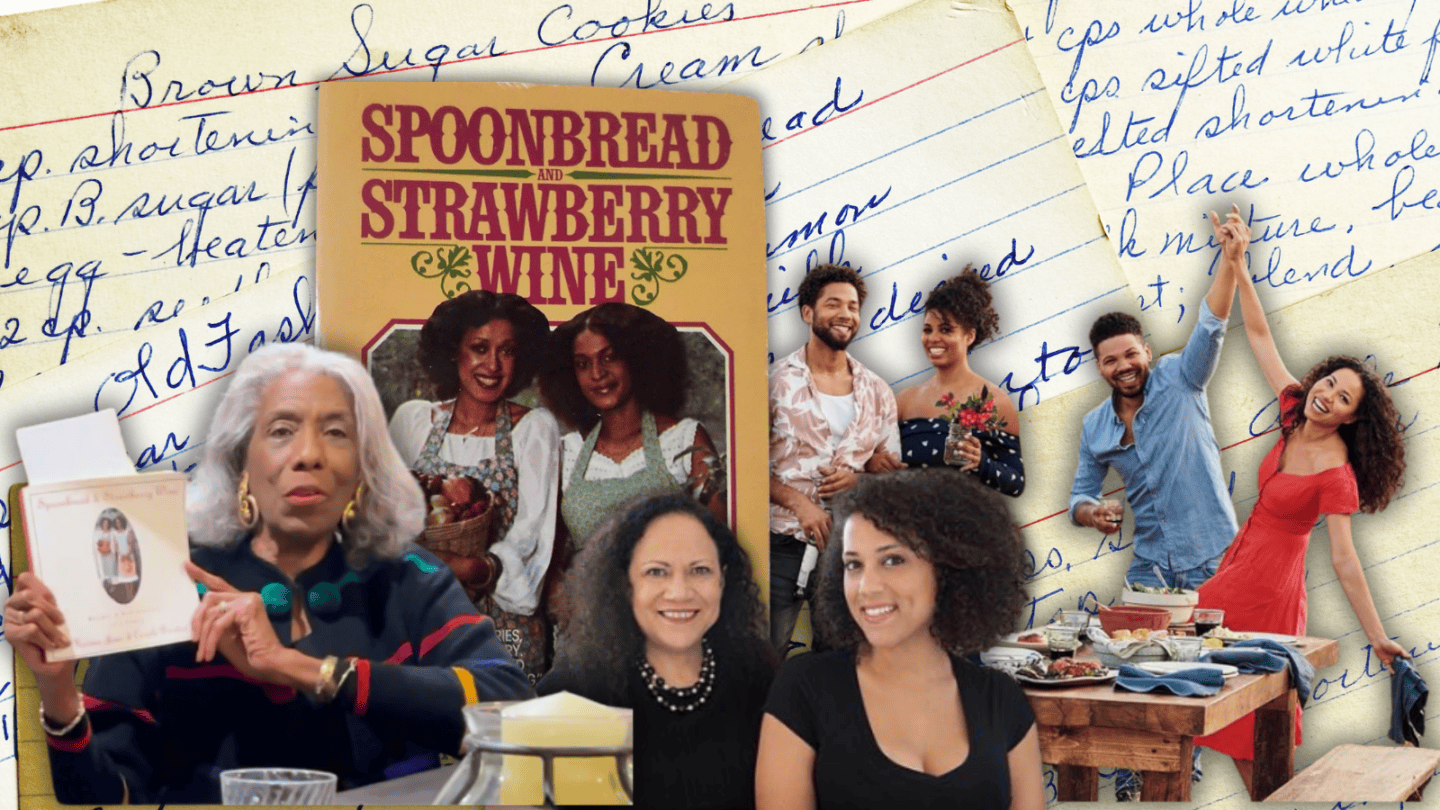
Richmond, Virginia’s Bessida Cauthorne White is a retired lawyer, noted genealogist, historian and author of two family (maternal and paternal lines) cookbooks and one church cookbook. In this interview with Zarina Fazaldin for the BND Institute of Media and Culture Kitchen Talk, Bessida discusses her favorite Black family memoir and cookbook, Spoonbread and Strawberry Wine, the process of collecting family recipes from her Virginia relatives, and how she views Black family cookbooks as a form of preservation. [You can watch the interview here.]
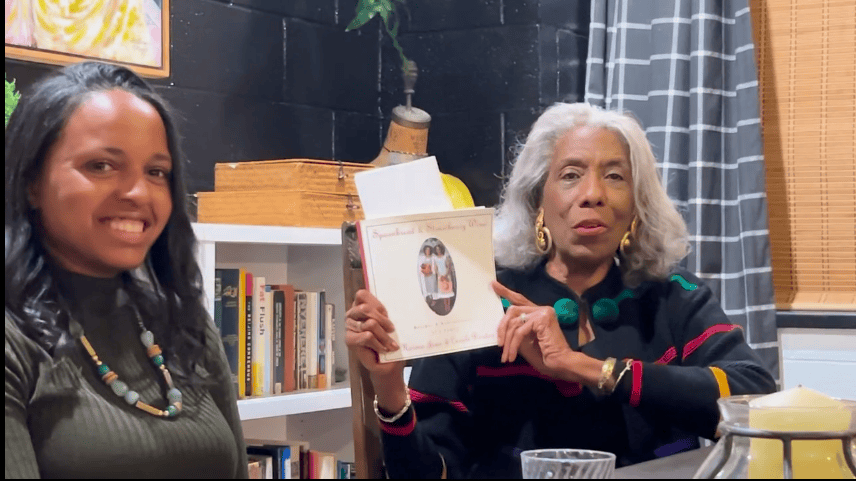
Spoonbread and Strawberry Wine was written by two sisters, Norma Jean Darden and Carole Darden, who told their origin story with their memories, family lore and recipes. As White explains in the interview, the sisters wrote the book as a personal memorial, something they could keep forever to remember their ancestry. Though released by a major publishing house, Spoonbread served as a model for guided family histories using recipes authored by multiple members of a family, which has been replicated by the Smollets (Jazz, Journee, Jake and Jussie) and by Alice Randall and daughter Caroline Randall Williams. [Read: Three Black Families, 8 Women, 6 Cookbooks, Some Cookies & Pies, and Beautiful Family Histories]
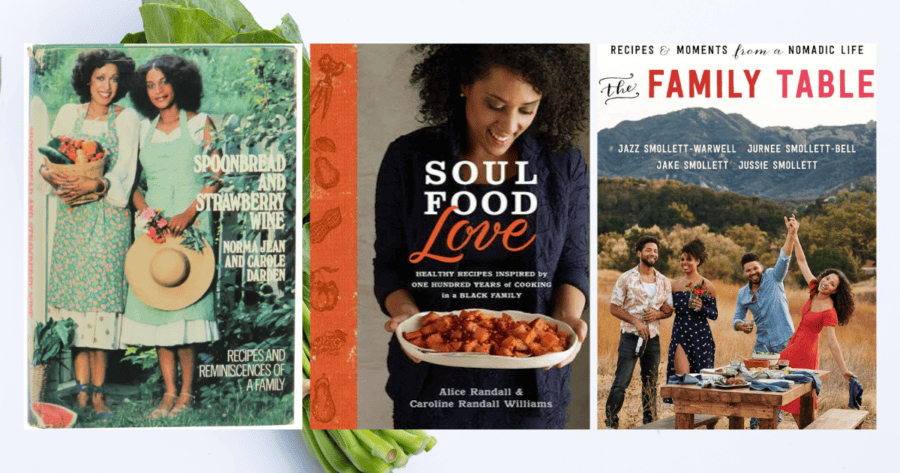
All of those books are wonderful examples, but the best examples of Black family authored cookbooks are generally found in the homes of the relatives who contributed to and belong to the families who inspired their creation. The hope is that at least one person preserved the book of compiled recipes, because the only recipes worth preserving belong to you and your clan.
Exploring multiple internet resources, we found a handful in university archives. Unfortunately, images of the book covers aren’t accessible, and there aren’t links to follow to a readable format. But the titles offer a glimpse of family pride, such as these found as a part of the David Walker Lupton African American Cookbook Collection, a historic archive housed at The University of Alabama Libraries in Tuscaloosa, Alabama. David Walker Lupton was a white academic librarian who collected over 400 African American books in his lifetime for the sake of historical preservation. Upon his death, his widow donated his collection to the University of Alabama Libraries, and the books listed below are a part of his vast collection, including a book by Bessida Cauthorne White.
- Bell family. What’s cookin? book # 2. Waverly, Iowa: G & R Publishing Co., 1984.
- Bell family. What’s cooking with the Bells and friends? Waverly, Iowa: G & R Publishing Co., 1983.
- Banks family. Our culinary heritage: favorite recipes from the Banks family. Lenexa, Kans.: Cookbook Pub., 1982 (1983 printing).
- Chisley family. Chisley’s delectables. Collierville, Tenn.: Fundcraft Pub., 1999.
- Cox, Jesse. The Wesley’s family reunion cookbook. Greenwich, Conn. New Wesley Cookbook, 2000?.
- Vincent family. Down home soul food cooking: from the Vincents’ family kitchen to yours. Collierville, Tenn.: Fundcraft Pub., 1999.
- White, Bessida Cauthorne, and Mary Ellen White Dungee. A reunion of recipes: The White Family cookbook. Richmond, Va.: Verdell A. White, 1990.
As much as we appreciate Black family authored cookbooks in a university archive, we’d prefer that you have copies of your own family recipes in book form. In the end, you’d probably prefer it too.
The women (and men), who compiled their family recipes into spiral binders to distribute as Christmas gifts and family reunion souvenirs, should be commended for their hard work. They should also be commended for their foresight in handing down a part of their family history that includes food. They didn’t do it for an award or for accolades. They did it as an expression of family love.



Robin Caldwell is the blogger behind freshandfriedhard.com and academic researcher focusing on Black history, heritage and culture. Public historian primarily in Black American historical foodways: antebellum and regional.
