













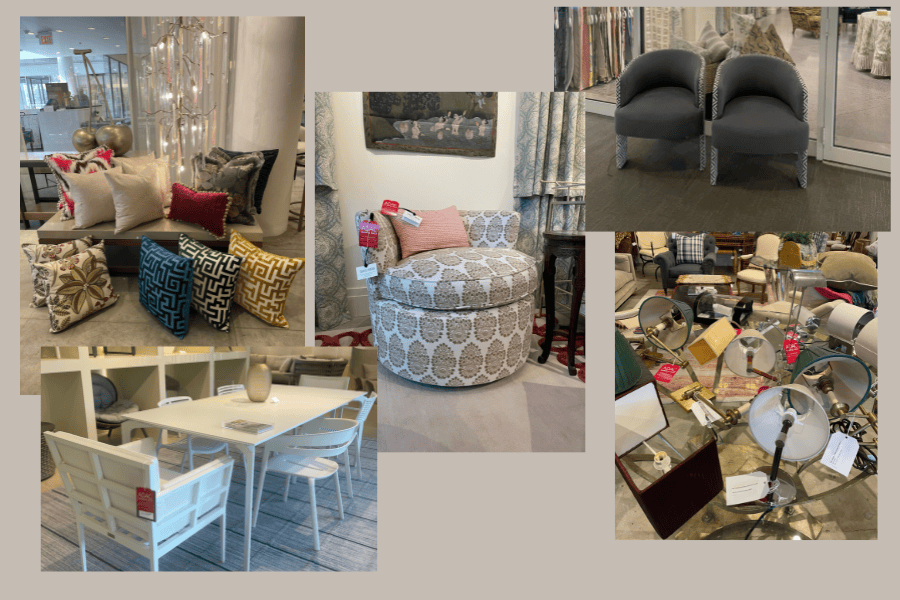
Mastering a furniture sample sale is more than just a shopping trip; it is a calculated pursuit of heirloom quality and high-end design at a fraction of the cost. For the discerning collector, these events offer a rare chance to acquire statement pieces that define the soul of a home, provided one approaches the showroom with the right strategy. From the initial pre-planning of measurements and budgets to the tactical execution on the floor and the final integration into your living space, this guide reveals how to navigate the excitement of the hunt with the precision of an expert.

The Art of the Hunt: How to Conquer a Furniture Sample Sale
Pre-Planning: The Strategy
To the uninitiated, a furniture sample sale is merely a clearance event. To the discerning collector, it is a high-stakes pilgrimage—a rare opportunity to secure pieces of heritage and craftsmanship that define a home’s soul. The conquest begins long before the doors of the showroom or warehouse swing open. It starts with a rigorous mapping of the domestic landscape. The seasoned hunter approaches their floor plan with the precision of an architect, noting not just the dimensions of a room, but the “breathability” of the space. They arrive armed with a dossier of measurements for every alcove, entryway, and elevator cabin, ensuring that a spontaneous acquisition does not become a logistical impossibility.
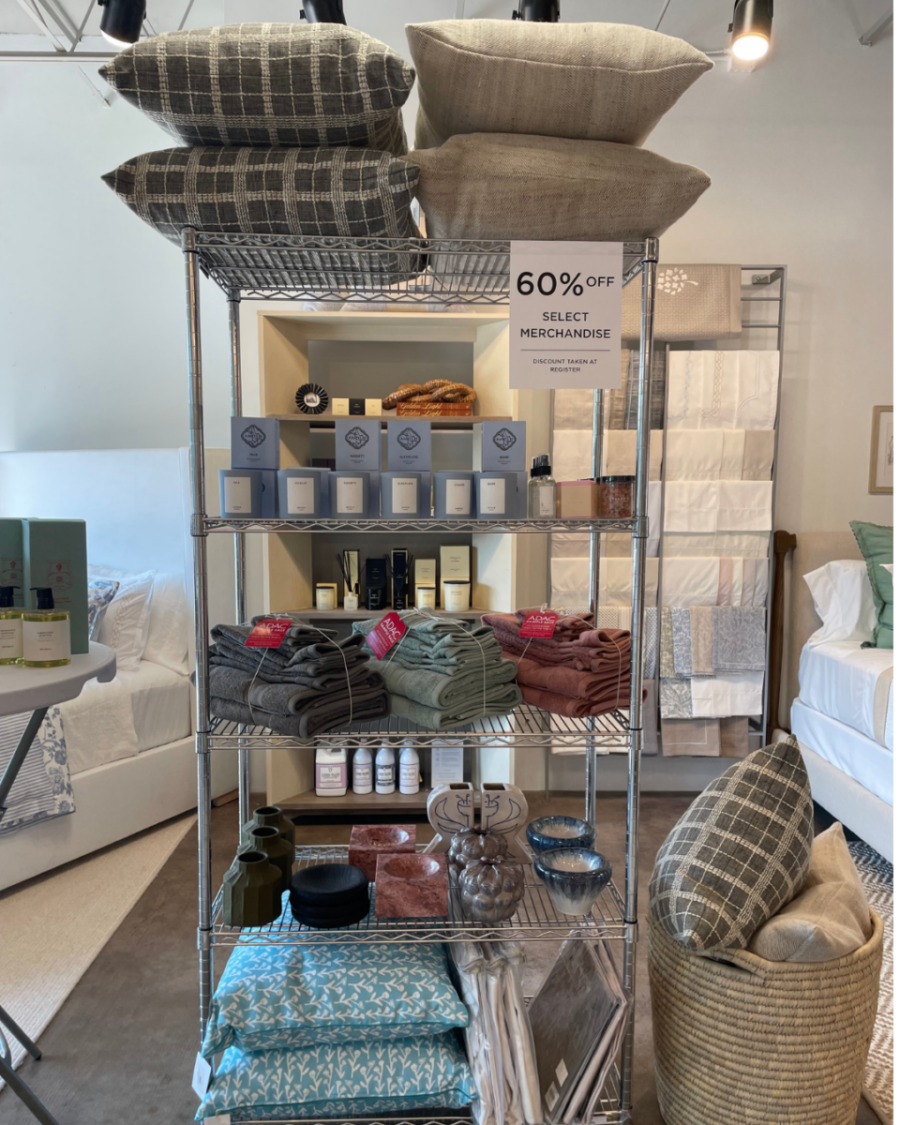
Strategy also demands a deep familiarity with the brand’s lineage. One must study the silhouettes that have defined the house’s history, identifying “grail” pieces—those iconic lounge chairs or hand-finished credenzas—that would traditionally require a six-month lead time. By following digital breadcrumbs and insider newsletters, the strategist anticipates the inventory, setting a hierarchy of needs versus desires. They establish a firm “acquisition fund,” understanding that in the heat of the hunt, clarity of budget is the only defense against the intoxicating pull of a seventy-percent-off tag on a piece that does not truly fit the collection.
On-Site: The Tactics
The atmosphere of the sale site is one of electric refinement. As the gates open, the objective is not to sprint, but to move with a directed, keen-eyed grace. The tactical hunter scans the room for the “red tag” signals, yet they do not let the crowd dictate their pace. They look for structural integrity and the “patina of the floor sample”—minor imperfections that, to the right eye, whisper of a piece’s journey and provide the justification for its extraordinary value. They understand that a slight scuff on a mahogany leg is a trifle compared to the heirloom quality of the joinery.
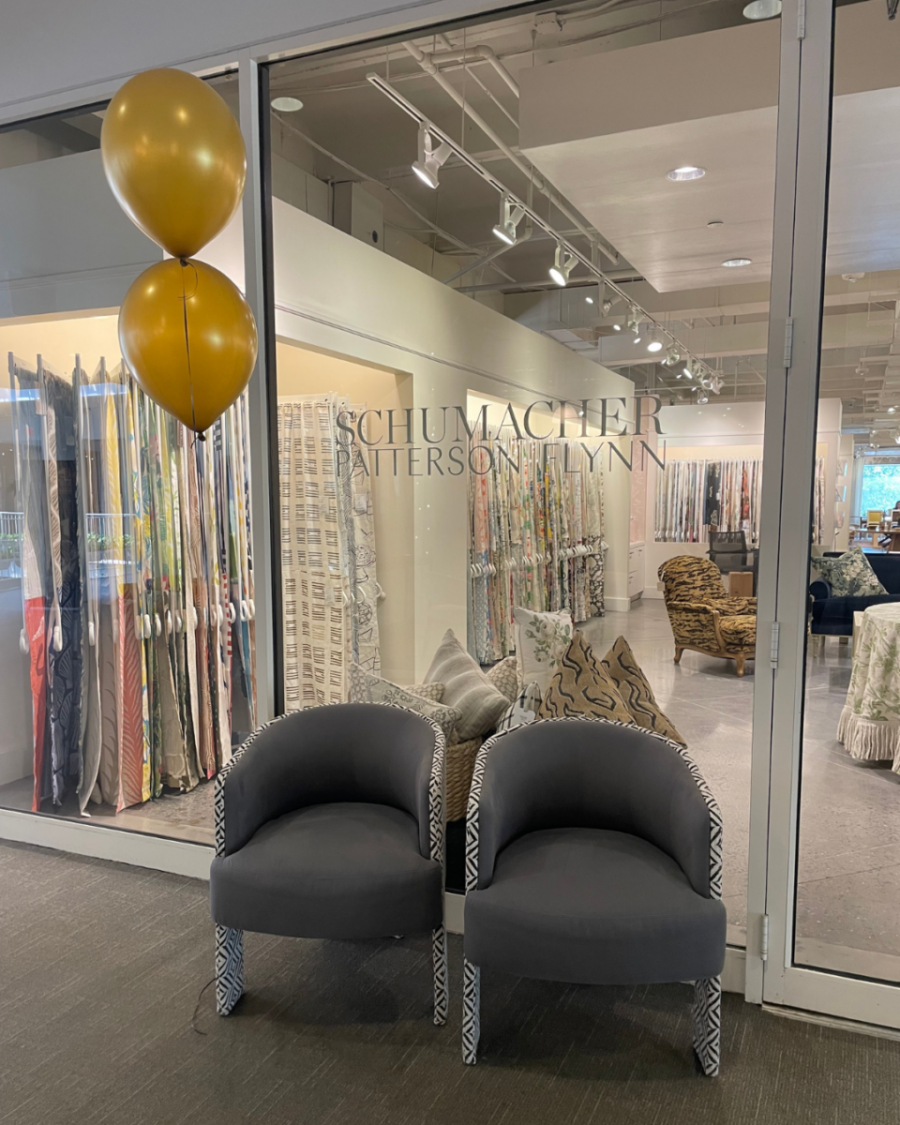
Decisiveness is the primary weapon on the showroom floor. In the world of high design, the hesitation of a second can mean the loss of a decade-long treasure. The veteran collector keeps a “sold” sticker or a firm hand on the desired object while signaling a sales associate with calm authority. They inspect every angle, checking for the maker’s mark and the authenticity of the textiles. They remain undeterred by the hum of competition, focusing instead on the weight of the drawer glides and the hand of the leather. This is the moment where knowledge meets instinct, and the tactical hunter knows that the best pieces are often hidden in the back corners, away from the initial rush of the entrance.

Post-Sale: Delivery and Styling
The victory is not finalized at the point of purchase; it is realized when the piece is integrated into its new domain. The final phase of the conquest is one of stewardship. If the sale does not offer white-glove delivery, the successful hunter has already secured a reputable third-party logistics team—professionals who treat a mid-century sofa with the same reverence as a museum artifact. The transition from the warehouse to the residence must be seamless, avoiding the indignity of a DIY haul that could compromise the very craftsmanship one fought to acquire.
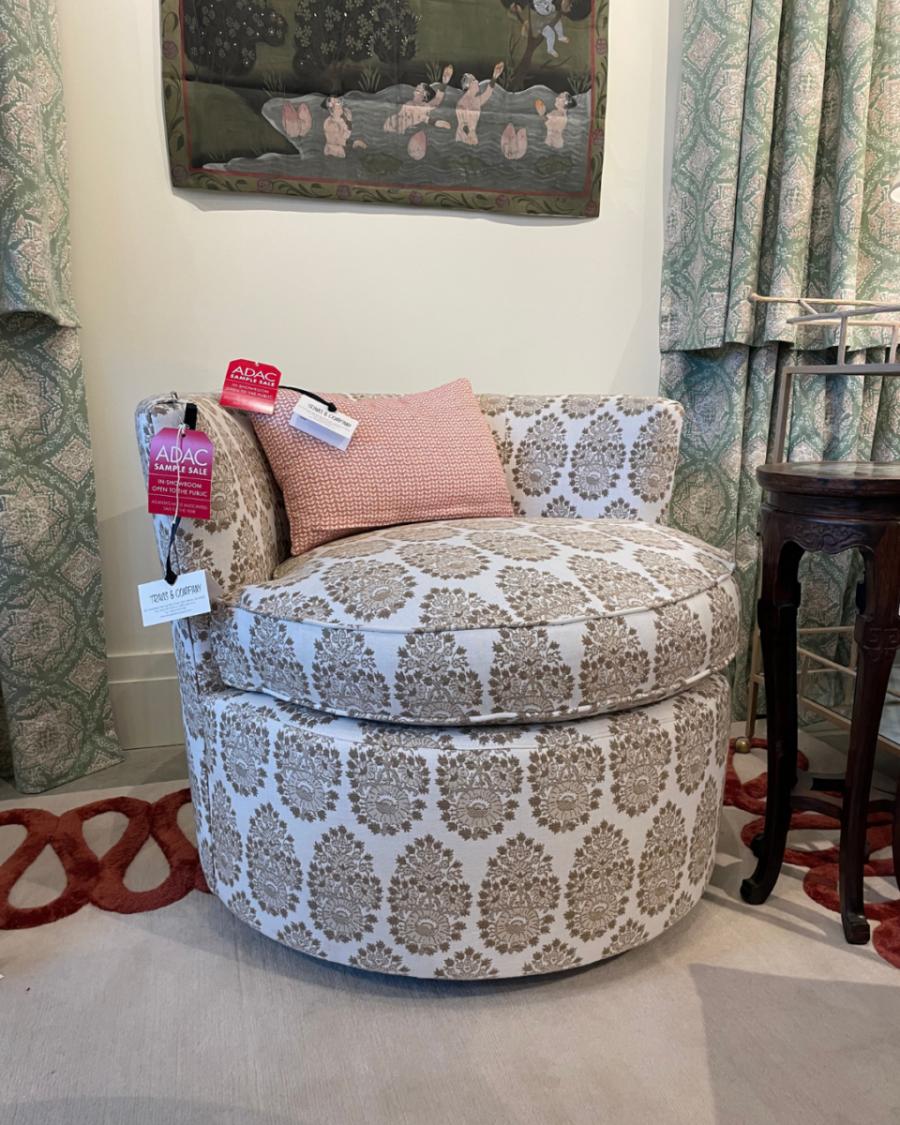
Once the piece has cleared the threshold, the art of styling begins. This is the opportunity to create a dialogue between the new acquisition and the existing heritage of the home. The goal is juxtaposition: placing a sleek, minimalist sample sale find against a backdrop of traditional molding, or letting a vibrant, avant-garde textile break the rhythm of a neutral gallery wall. The collector avoids the “showroom look,” instead layering the piece with personal history—an antique bowl, a stack of art monographs, or a well-placed floor lamp that highlights the item’s unique geometry. In this final act, the “hunt” transcends its transactional origins, and the furniture piece ceases to be a sample, becoming instead a permanent chapter in the home’s evolving narrative.
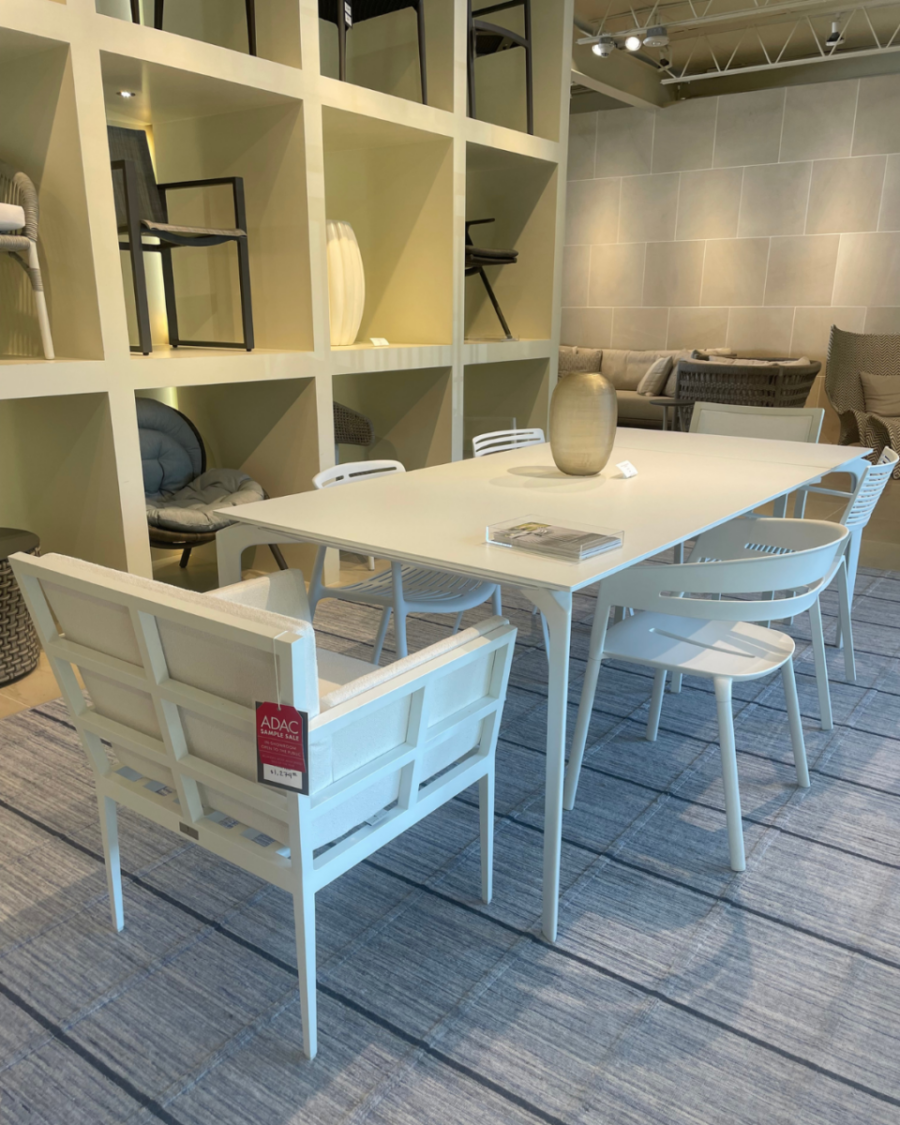
Ultimately, the true reward of the hunt lies in the stories these pieces bring into your home, turning everyday spaces into curated galleries of personal style. If you are ready to put these strategies into practice, there is no better place to start than the current sample sale at the Atlanta Decorative Arts Center (ADAC). We invite you to experience the thrill of the hunt firsthand and discover heirloom-quality treasures at exceptional values. The sale is running now through this Friday—make your plans to visit and secure your next statement piece before the opportunity slips away.