

The traditional Southern wedding has long been associated with grand estates, lush green landscapes, and historic plantation homes. As a fifth-generation Black Texan and public historian, I couldn’t separate the supposed beauty of those architectural overlords from the people, like my ancestors, whose labor sustained them. Nor could I accept that Southern outdoor weddings belonged exclusively to that imagery.
Something Old, Something Black
Reimagining the Southern wedding trope through Black history, love, and the places that remember us.
I wondered if we could display Southern romance in a way my younger self would be proud, while also honoring who I have become.
And I found them in Crockett, Texas.
My family’s connection to this small East Texas town stretches back generations. In 1886, just 21 years after emancipation, my great-great-grandmother Adriene Wilson Lovelady purchased land in the area. That property remains in the hands of some of her descendants today. My grandmother Rose was born there before eventually settling in Sherman, Texas, where I was born. I’ve never quite been able to articulate it, but returning to Crockett always felt like returning to something much bigger than myself.

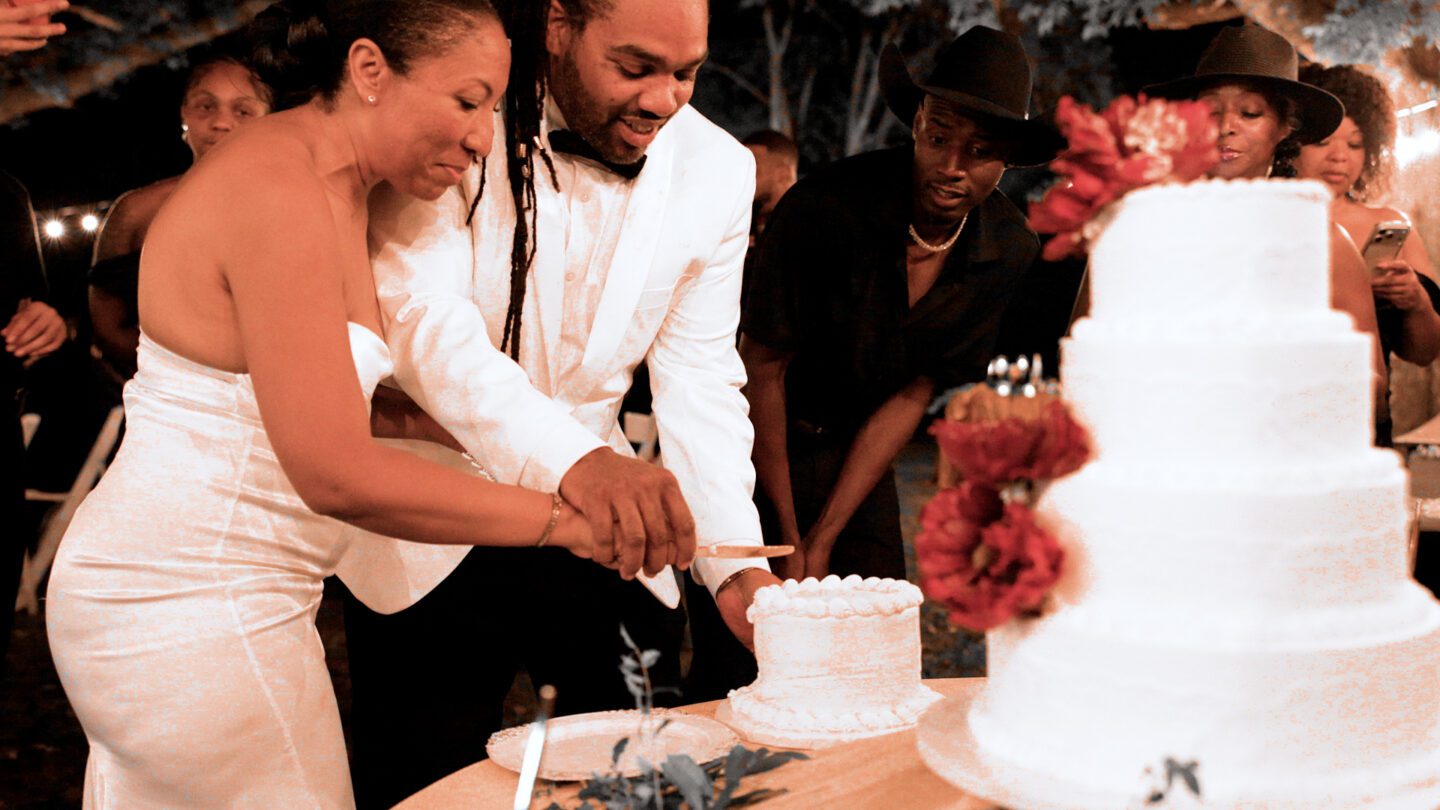
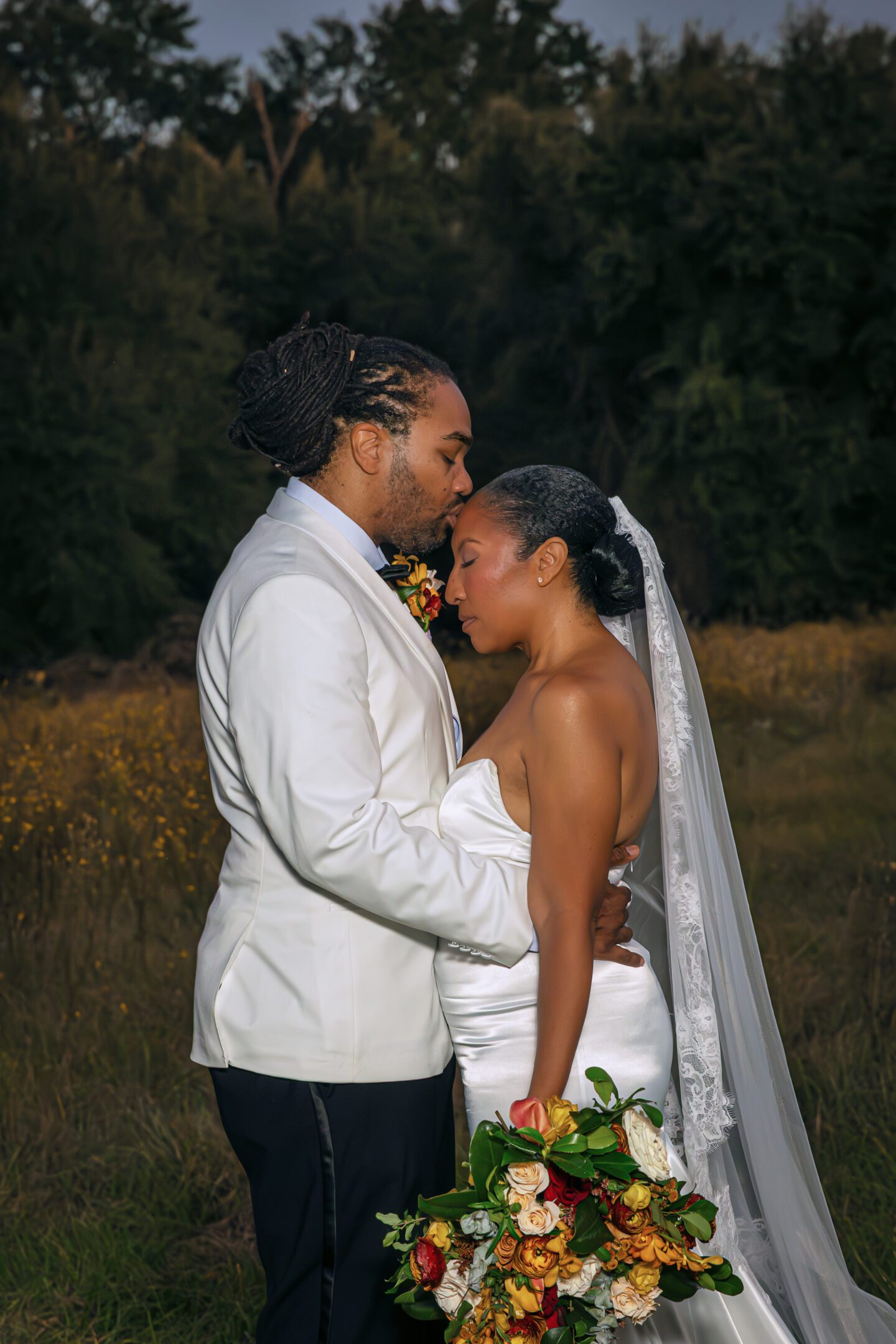
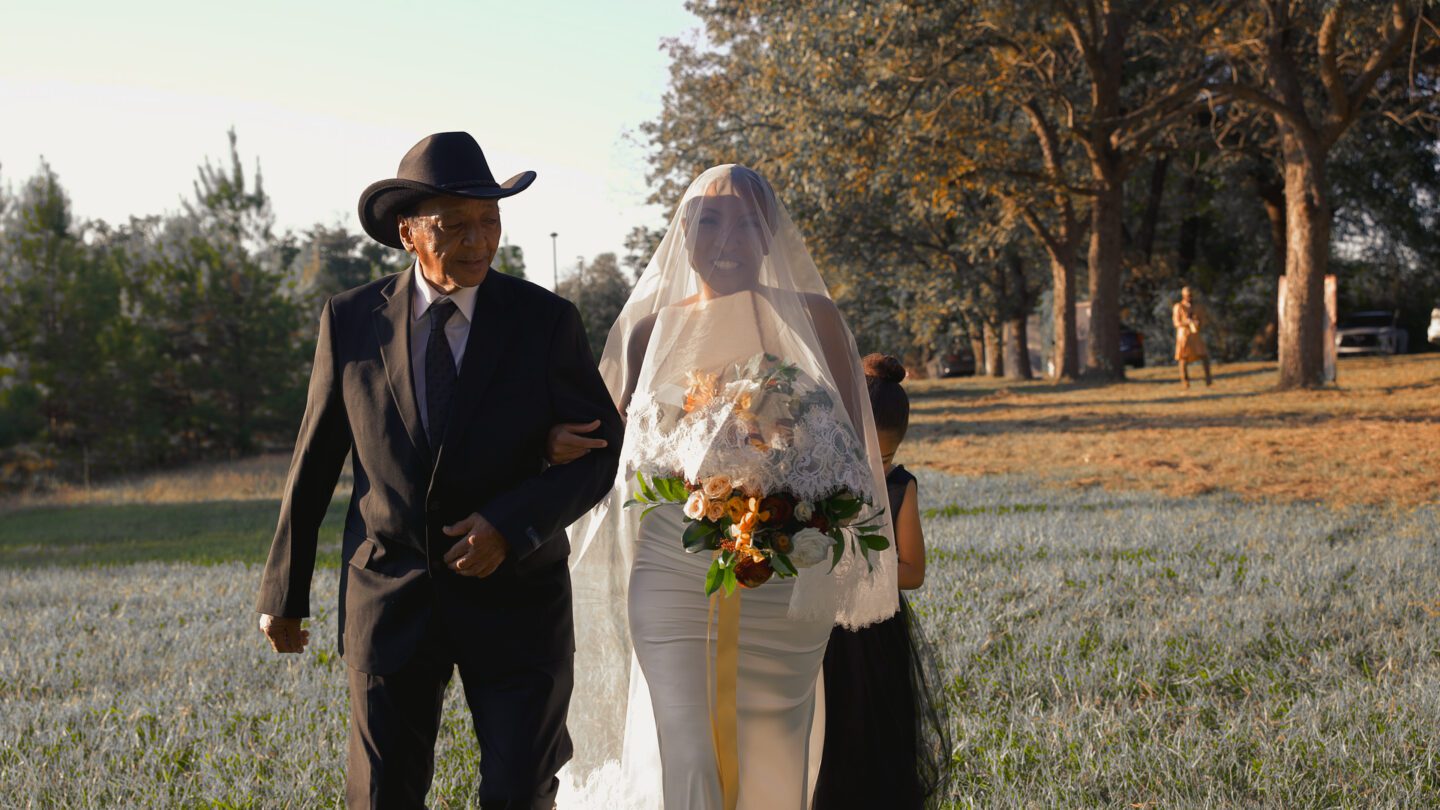
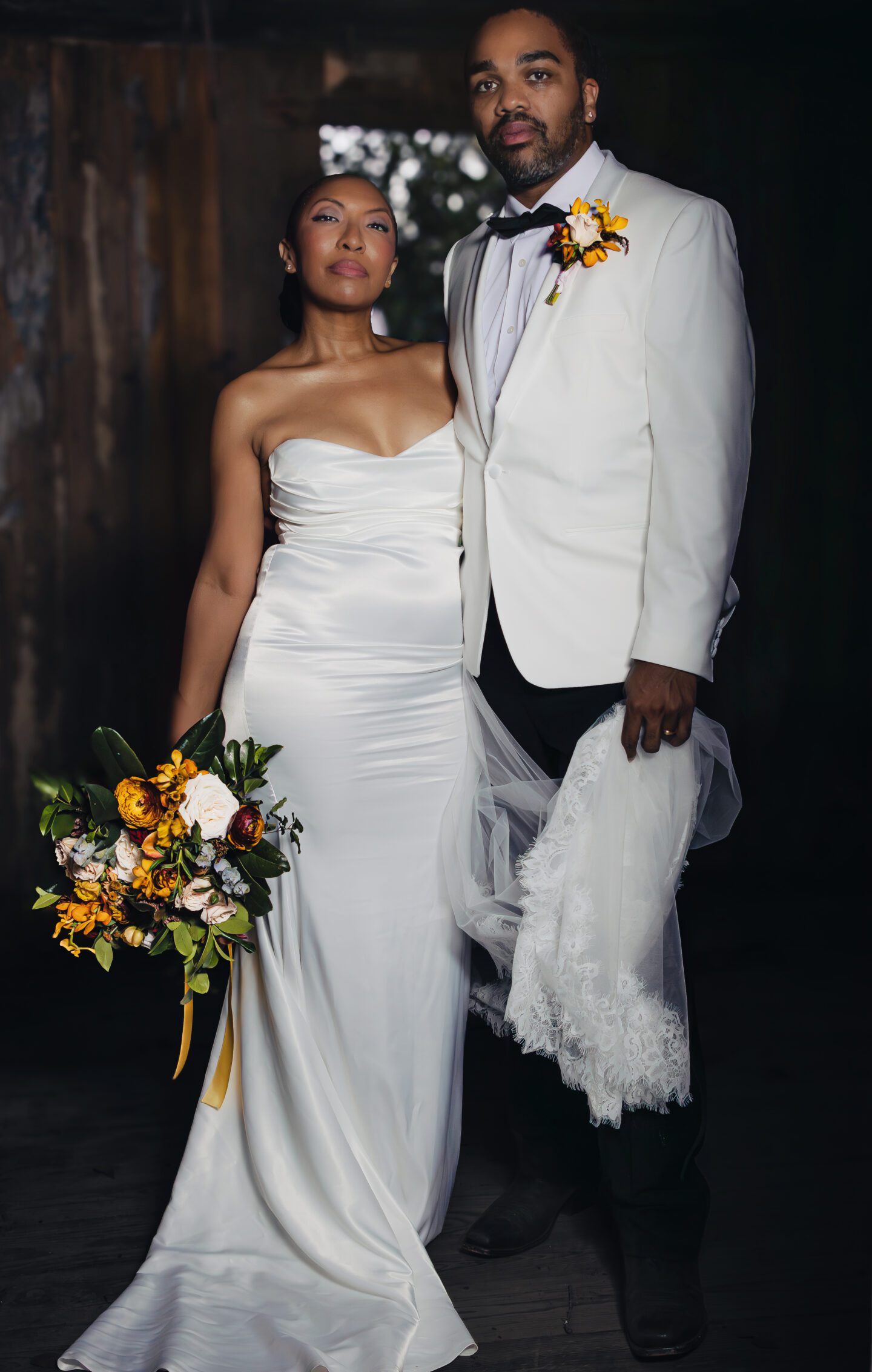
Our wedding unfolded across two historic unapologetically Black spaces: Givens Hill, where we commemorated the occasion with private vows and stunning pictures that captured the Piney Woods of East Texas as our backdrop. The second historic space was the Mary Allen Heritage House, a museum preserving the legacy of Texas’ first college for Black women. It was there that we kicked off our boots and danced under the stars to an eclectic mix of 90s, Blues, Tejano and Zydeco.
Givens Hill is a historic Black homesite established by Solomon and Lula Givens, whose love story reportedly began at a Juneteenth gathering in the late nineteenth century. The couple married, acquired land, and built a life together in East Texas becoming pillars of the Black community. Generations later, a chance meeting introduced me to their descendant Viktor Givens, a gifted artist and documentarian whose enthusiasm for reclaiming Black Southern spaces is infectious.
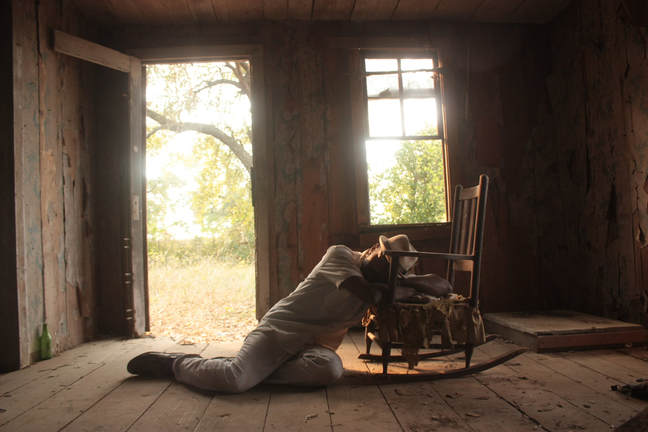
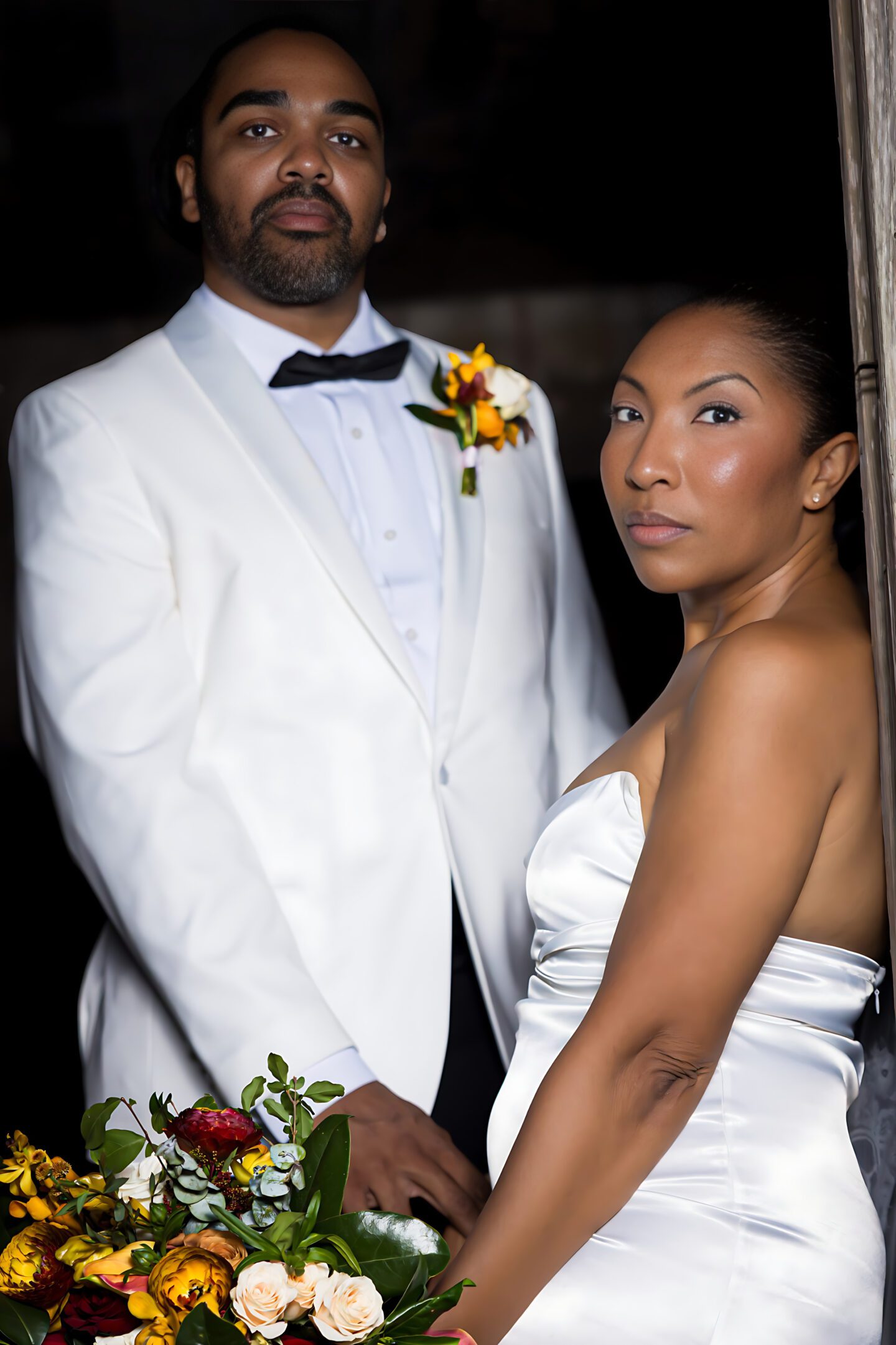
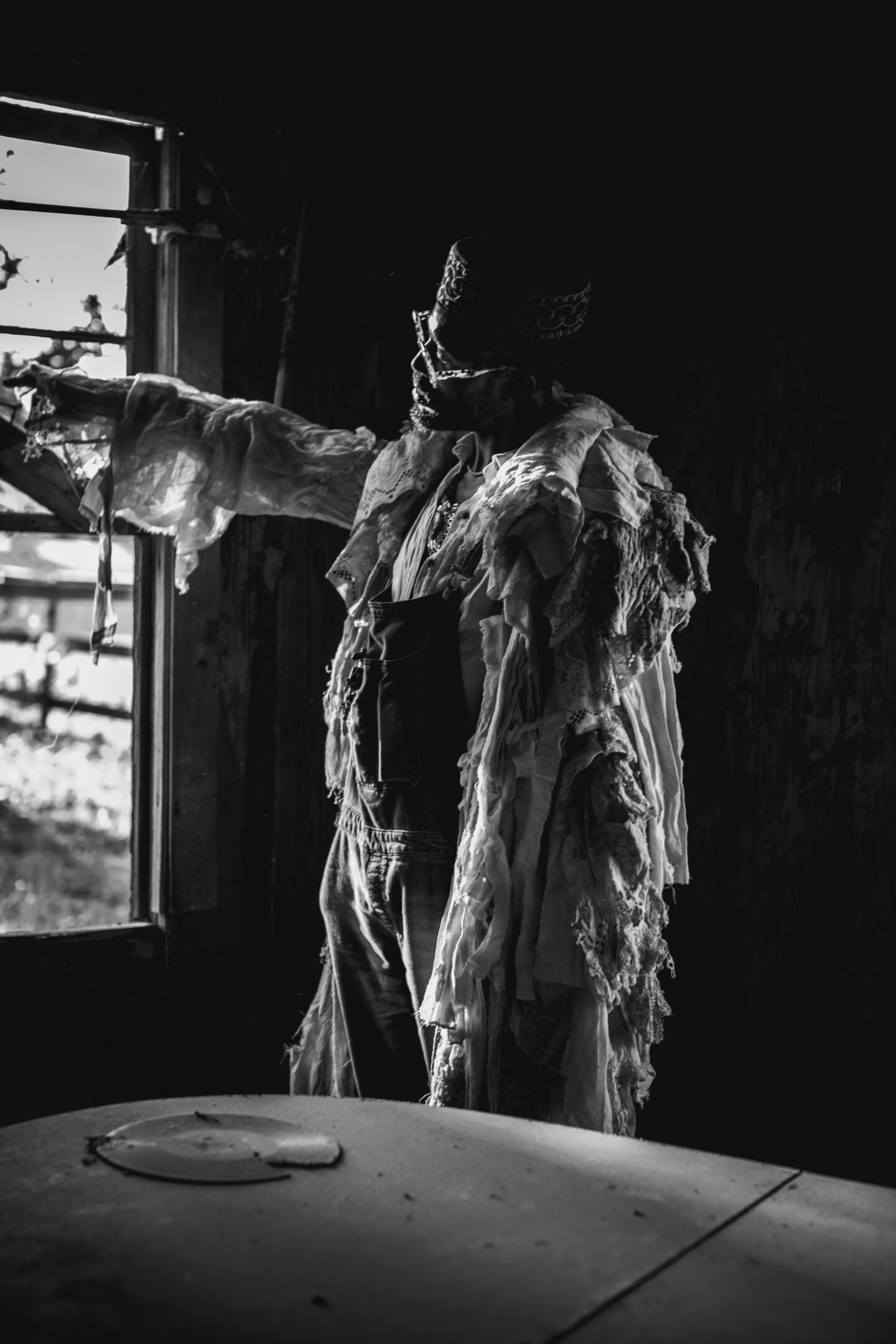
Givens artistry purposefully incorporates material culture and rituals, to ultimately challenge conventional ideas about what constitutes art. His foresight pushed the boundaries by reimagining his ancestors’ land as a place where others could recognize beauty in its simplicity was breathtaking. As we stood in the doorway of the home his family built posing for our formal wedding portraits, I felt the spirits of his familial kin standing next to us. Protectors of a small village they had waited over a century to usher into their home. As we posed in what others may casually dismiss as a delipidated home, Joshua and I saw the artistry through Viktor’s eyes. The finished result were the most hauntingly beautiful photos I could have hoped for.
There was something intoxicating about performing a ritual of love in a place where Black love had already written its own history.
Our formal ceremony and reception solidified our love story to Black culture at the Mary Allen Heritage House – a museum dedicated to preserving the legacy of Mary Allen College, Texas’ first college for Black women. Both of these historical settings reminded me that Southern history contains far more than the stories represented in the wedding industry’s romantic vision of the region. Black people, like the Givens’, built communities, purchased land, established schools, fell in love, and created traditions of their own. Our wedding symbolized that, and now we were a chapter in this beautiful book of history too.
Although the event was stunning, it was not effortless. Planning demanded money, patience, compromise, and more emotional energy than either of us anticipated – or managed alone. There were moments when the simplicity of a courthouse ceremony sounded awfully appealing and in hindsight I do sometimes wonder if we did the right thing. When I became overwhelmed trying to make a dollar out of fifteen cents, I called my soon-to-be mother-in-law, Sherry, and cried as I tried to explain why this wedding, what some might dismiss as performative, mattered so much to me.
Before I could finish, she stopped me between tears.
“Don’t worry about anything.”
Her words a cooling balm against my weary soul – she pledged her own money she had planned on gifting us to instead go towards expenses and spent countless hours spray-painting the decorative pieces that I would notice throughout the night. Joshua’s sister Kortni, a luxury floral designer and owner of Here Comes the Bloom DFW, ultimately absorbed costs in order to produce a wedding that she would be proud of by incorporating our wedding colors of marigold and oxblood. The colorful creams, reds and yellows burst like sprays of sunshine cascading against my white dress. The sumptuous ochre colored table linens and deeps shades of burgundy beneath pristine magnolia trees dotted against the backdrop of the East Texas’ Piney Woods, a perfect balance of her creative eye and our Southern heritage. (My Aunt Lucille still boasts the beauty of the wedding rivals Duchess Meghan’s). My cousin Audrey stepped in to pledge financial assistance with the rentals and entertainment, including a live performance by another cousin, Sheniqua Shanklin, a professional singer who performed a mashup of my favorite Snoh Allegra covers. And my father Ronnie took on our largest expense: dinner.
The relief I felt was enormous. Each of them had gone beyond what I expected, reminding me that the celebration was as much an expression of family and community as it was of our marriage.
And naturally, the food would be memorable.
Joshua and I are both experts in the food industry, he- a former professional chef with multiple years restaurant experience, and I – a food writer and scholar of Black Texas foodways. Our wedding feast was never going to be an afterthought. Joshua pressed that we needed someone with the grandeur and presence of our dear friends, Reggie and Cedric Robinson, the siblings behind Lil Boy Blue BBQ and pop-up supper club concept. Together we collaborated on a menu that was nostalgic, playful, indulgent and unapologetically Black.
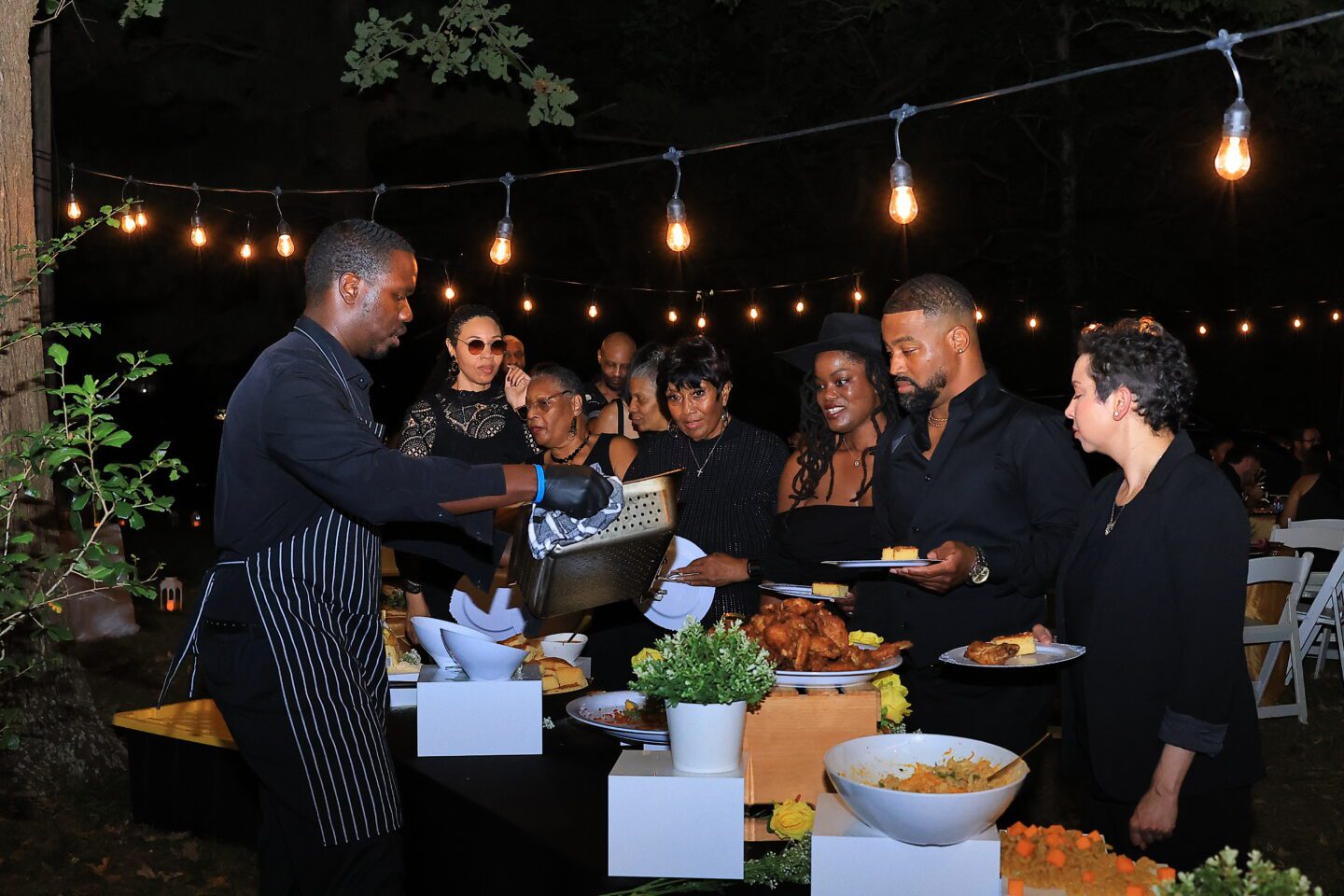
Our Smoked fried chicken and “fried fish and caviar”, catfish accompanied with hot-sauce “caviar,” a cheeky nod to fine dining that replaced traditional roe with tiny spheres of bright red Texas Pete hot sauce were the showstoppers and my personal favorite for the evening. Brown-butter sweet potatoes shared the menu with country cabbage, an indulgent macaroni and cheese, and a square of perfectly baked yellow cornbread that Reggie playfully dubbed “Bigmama’s Cornbread,” not knowing that Bigmama, my grandmother, was one of the reasons for this celebration in the first place.
One of my favorite creations was the banana pudding butter, a fluffy whipped compote butter, folded in with sweet banana purée and balanced with flecks of coarse sea salt. This inventive topping was designed to melt into warm cornbread, sweet potatoes or even the fish for the extra daring.
Our signature drinks were a spicy paloma we aptly named “The Robinson”, our surname. The tequila was generously donated by Rikki Pitts, a Black Texan and woman who founded the tequila company named Ego Tequila. The finishing touches were tasks Joshua and I eargerly accepted. Joshua made the jalapeño simple syrup and I handmade the garnishes – dried pink grapefruit slices dusted with bright tajin spices and dried apples with sifted flecks of brown cinnamon.
It was a menu built around memory, strong Texas roots with a dash of lavishness.
We weren’t interested in elevating soul food, instead we wanted to celebrate the ingenuity, familiarity, and pleasure of dishes that had nourished generations of Black Southern families. Even the catfish had a regional connection. In the archives, I’d found old newspaper accounts invoking fried catfish sandwiches as recognizable as the red dirt roads of East Texas.
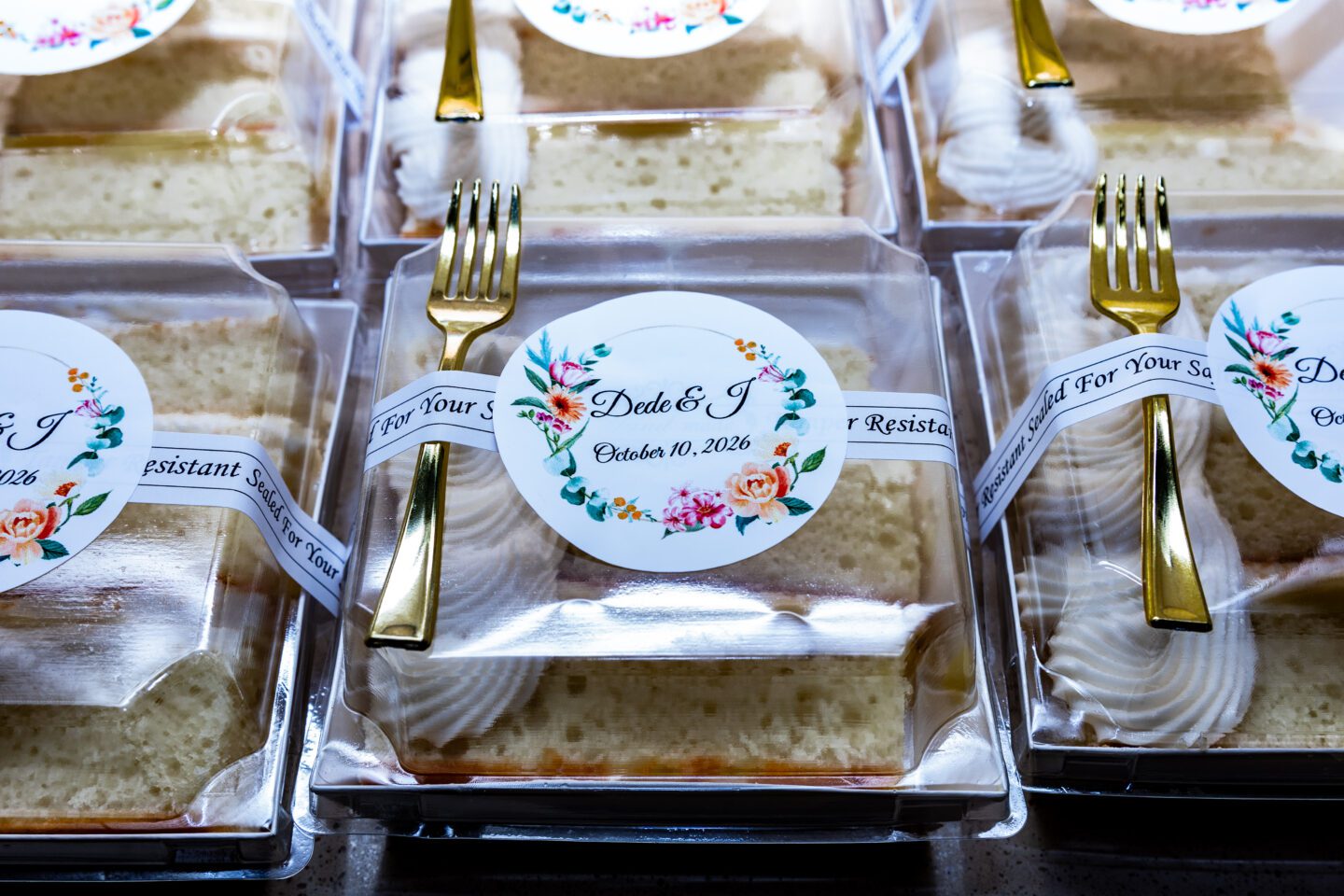
Our cake was equally intentional. Joshua’s niece, Kaela Soders, owner of ItsBakked, is a skilled pastry chef. Together, we selected a cake she created that incorporated a thin layer of yuzu, a delicate Japanese citrus fruit that would balance well with the more robust flavors of our soul food feast. The meal in totality was an eager nod to not only my Black American roots but also my paternal grandmother, Toyoko, whose life began and ended in Japan.
Afterward, my seven-year-old niece Madison told me it had been “the best night of her life” and suddenly I had zero regrets. The wedding took a lot, but it also replenished us. It was the physical manifestation of a day Joshua’s grandmother Marilyn; my grandmother Rosie and his father Larry would attend only in spirit.
It had all been worth it.