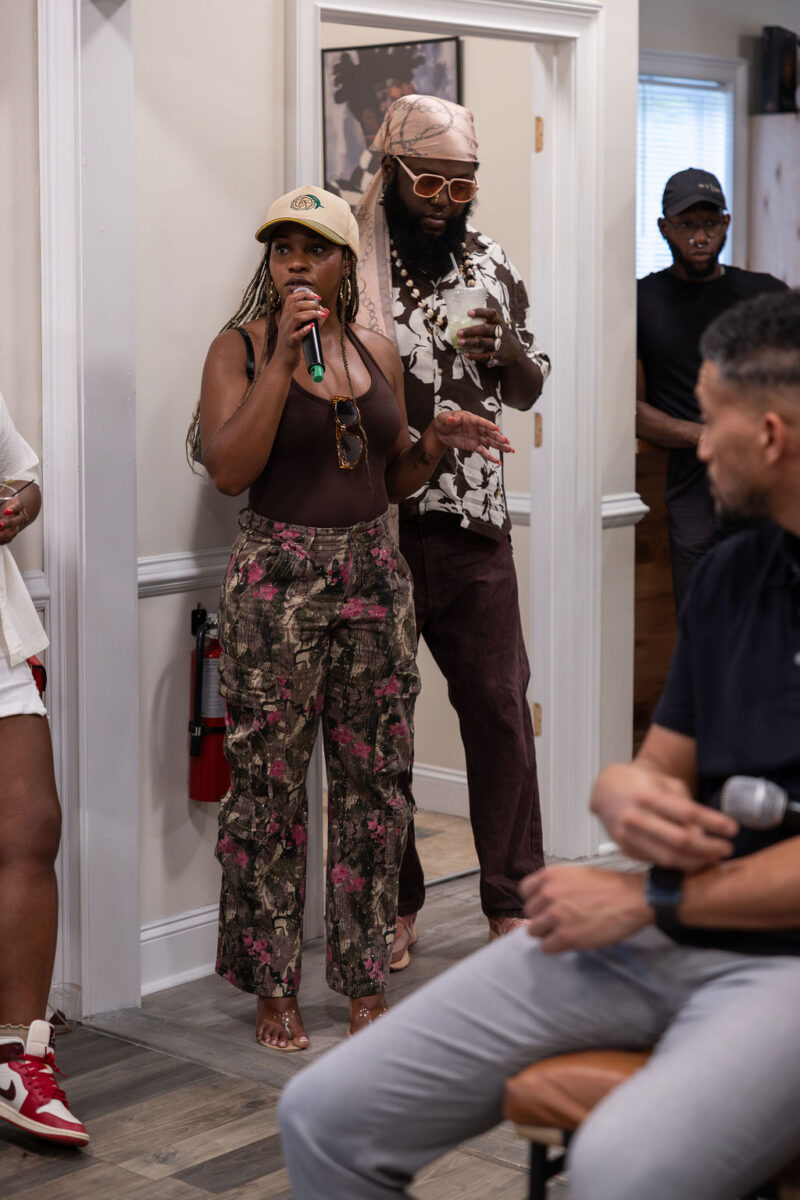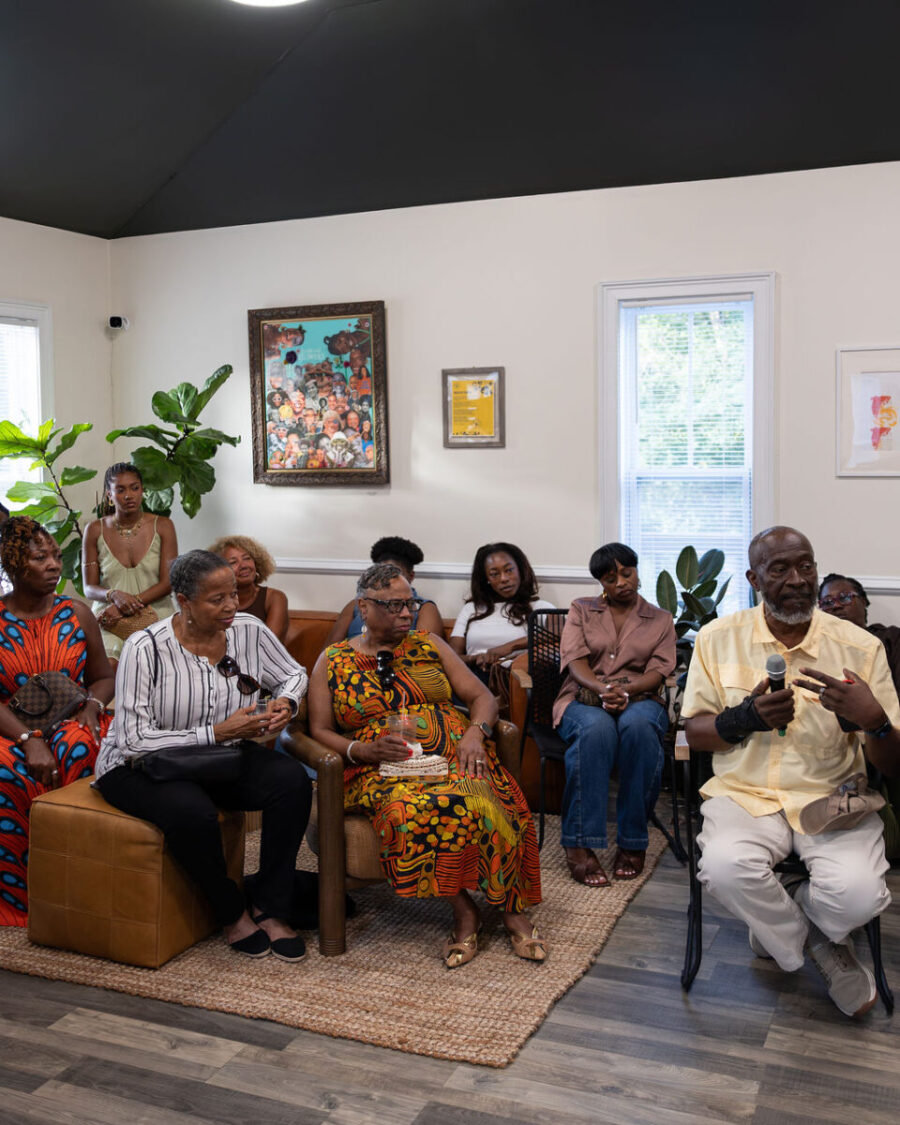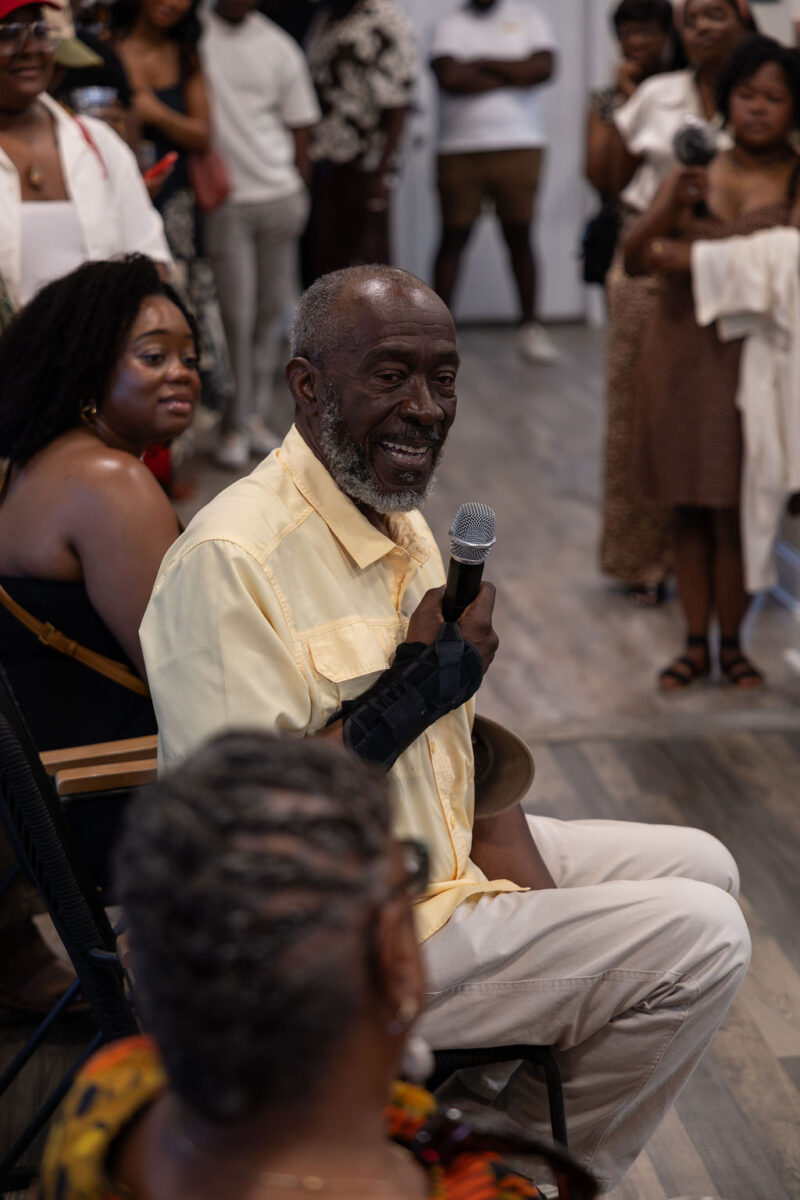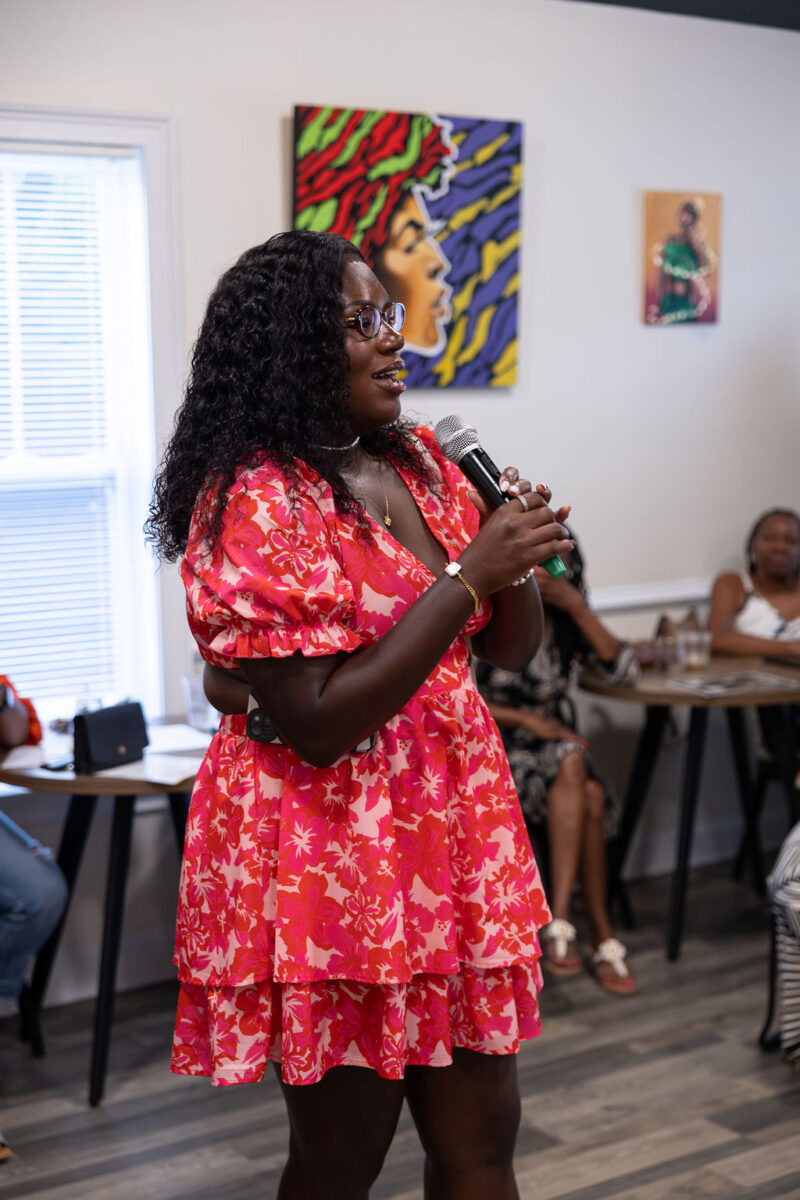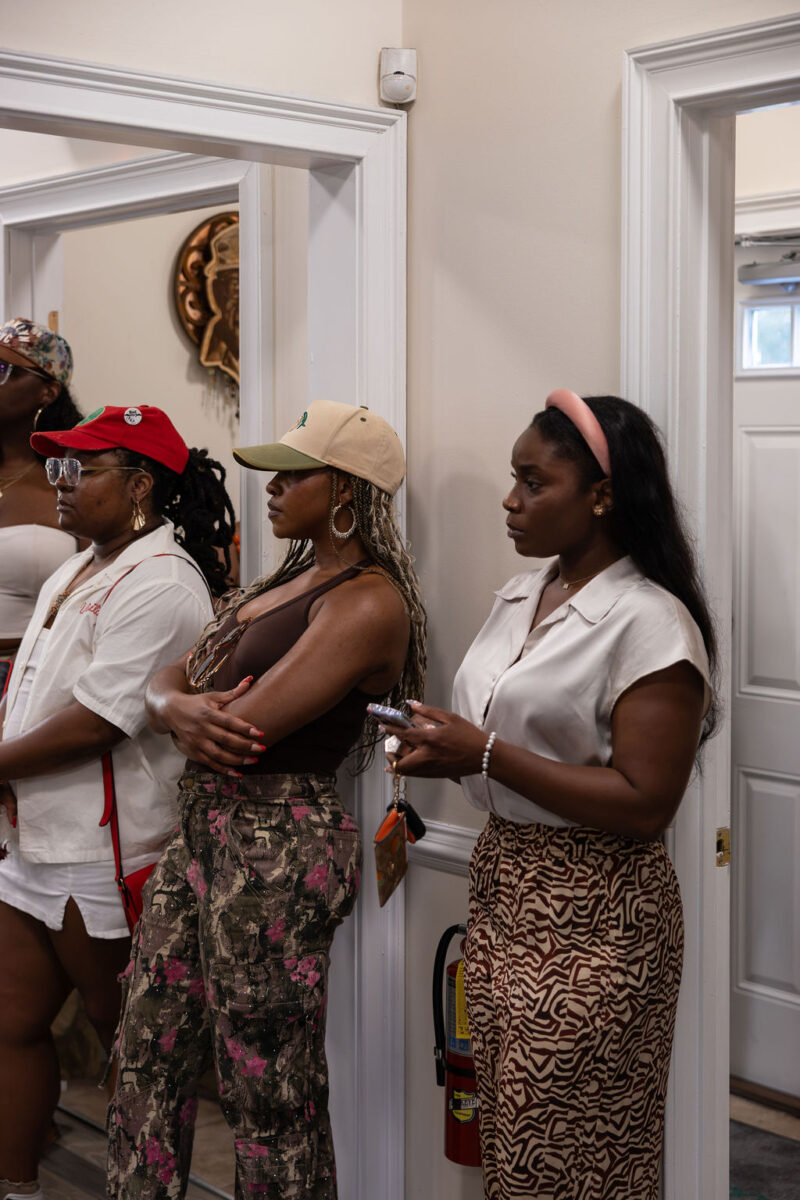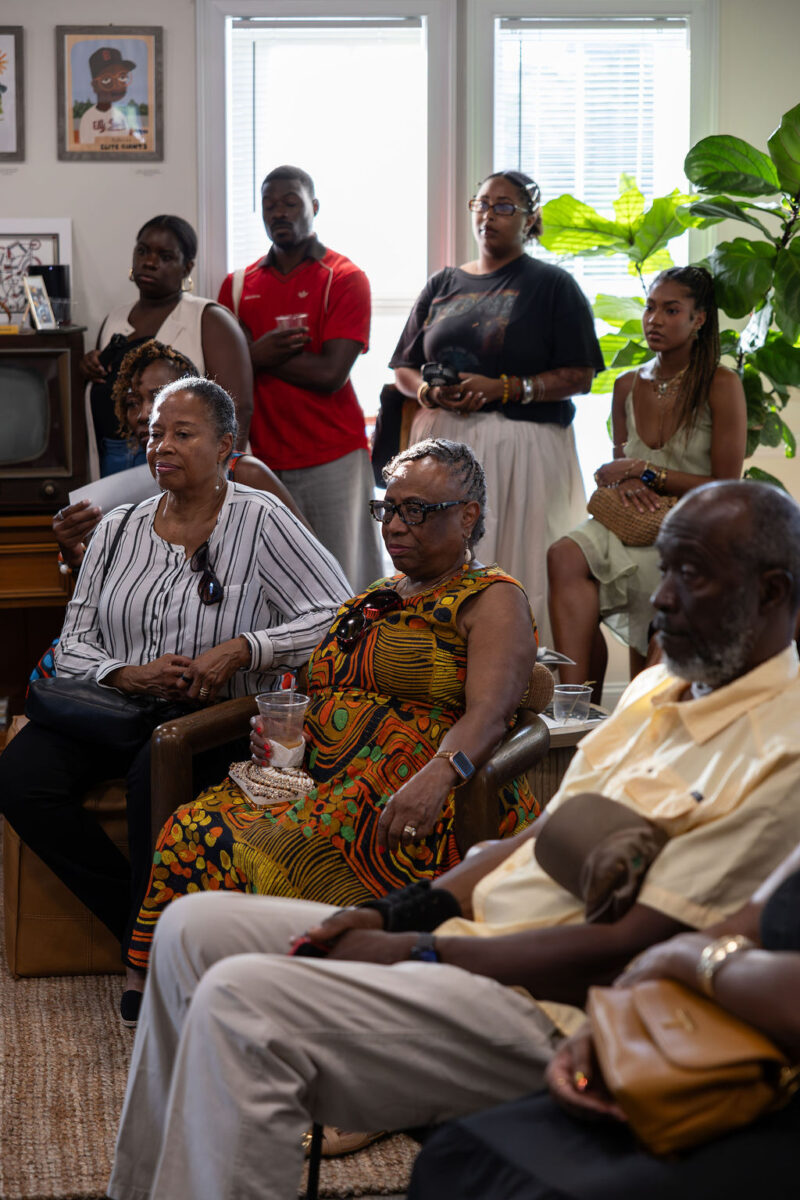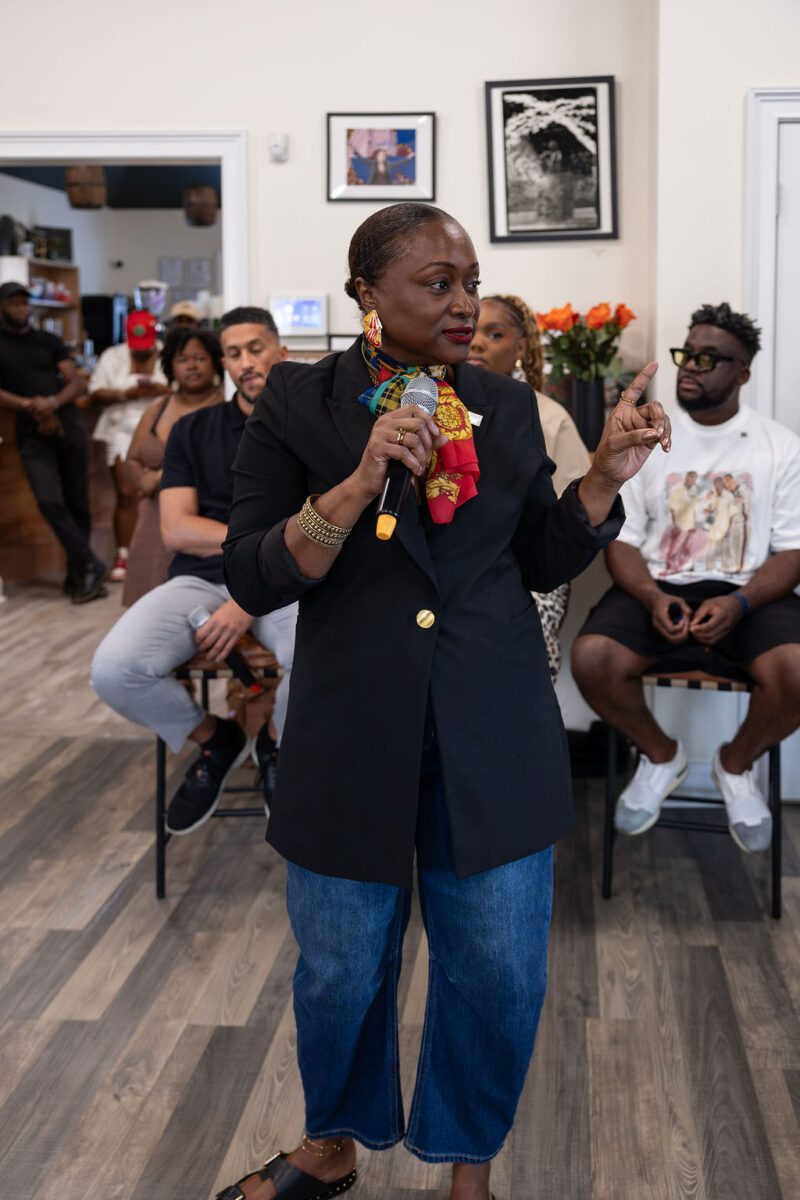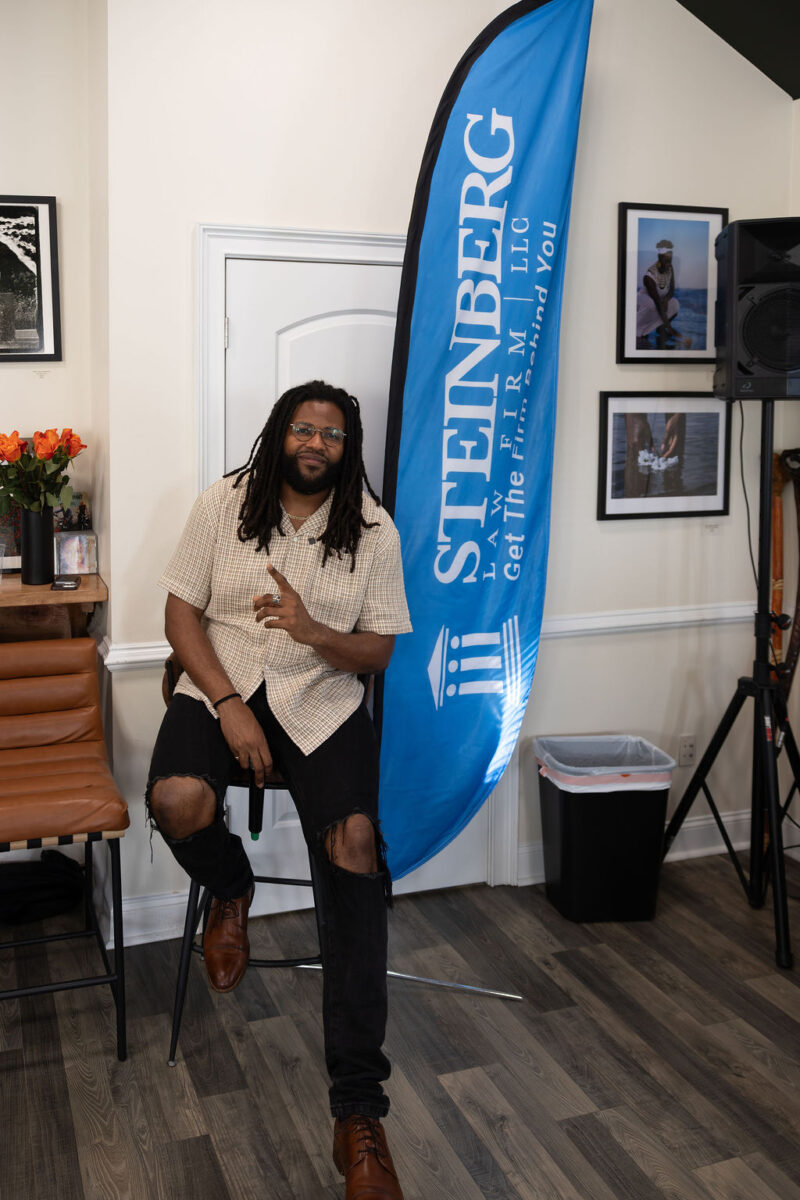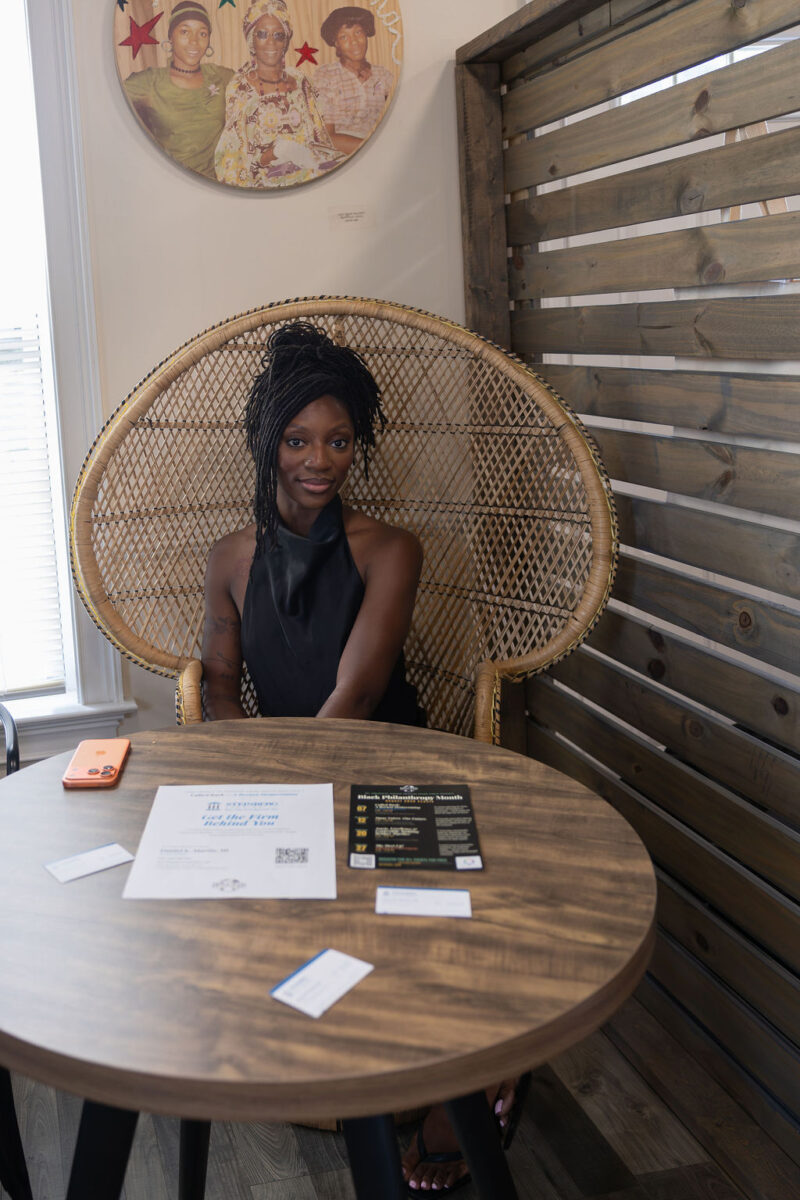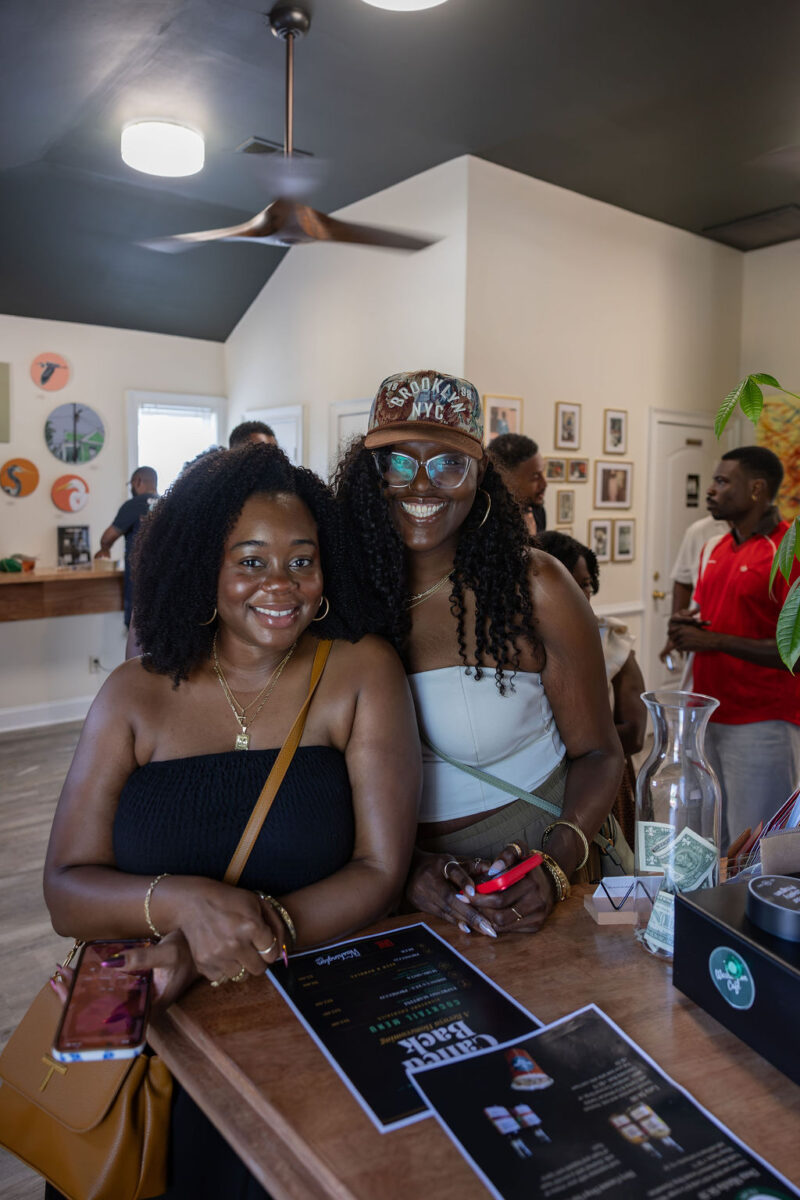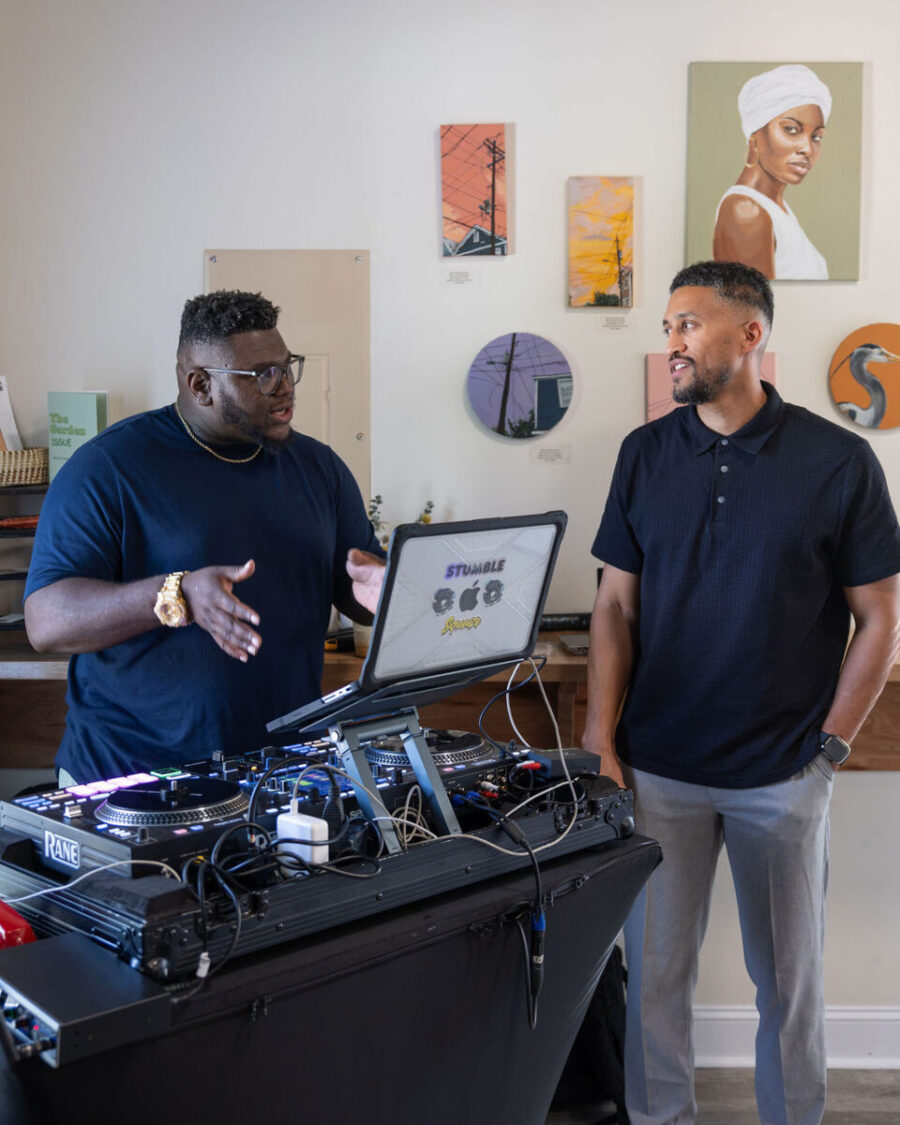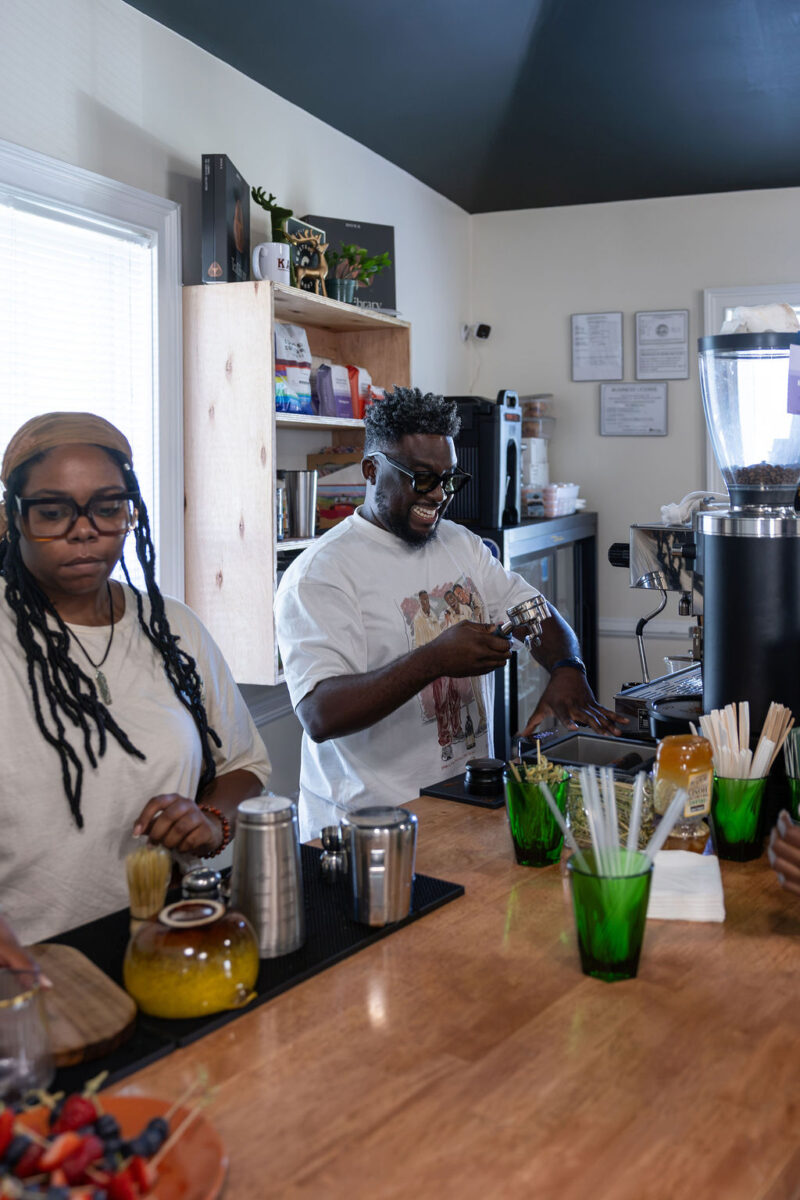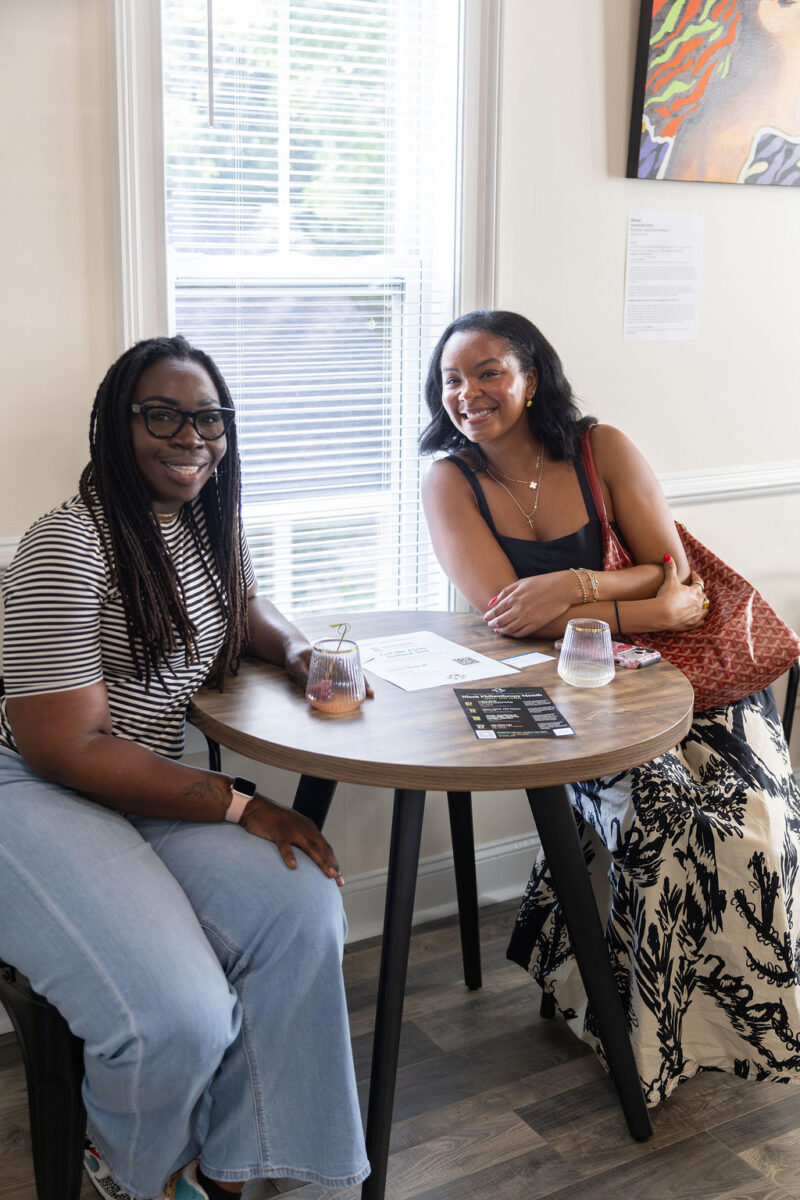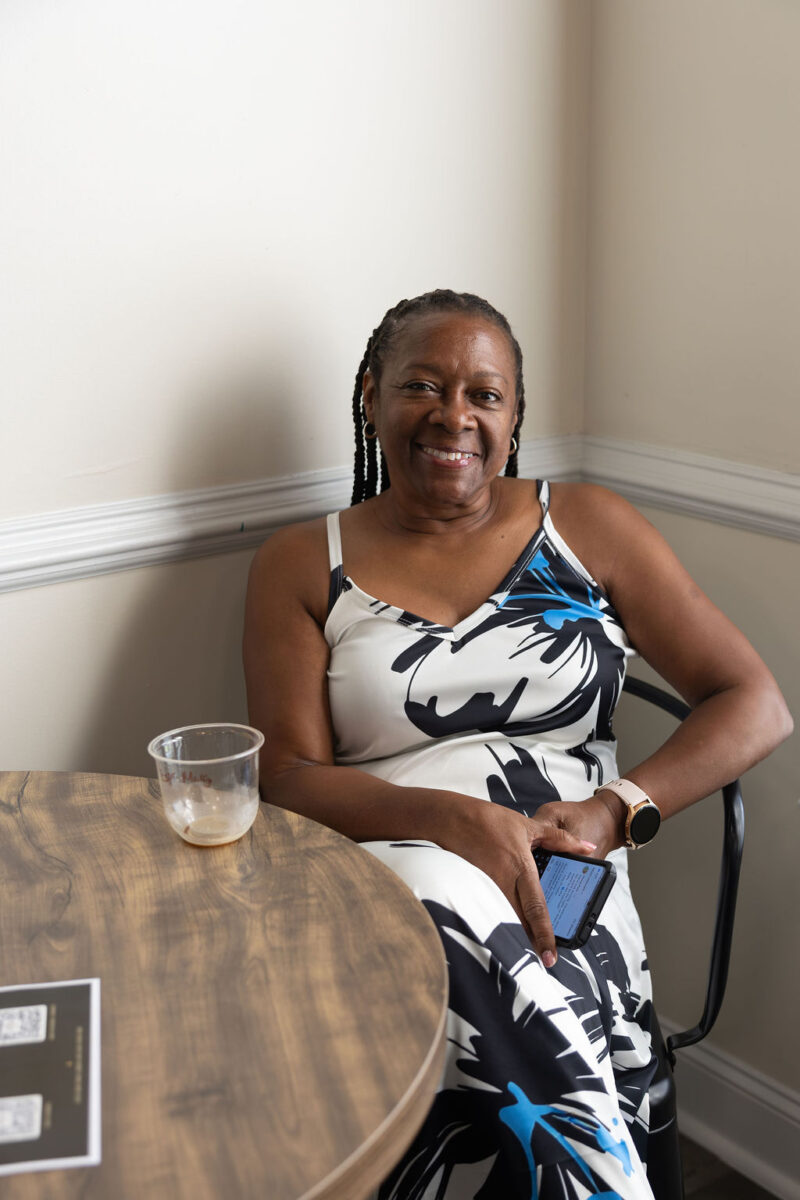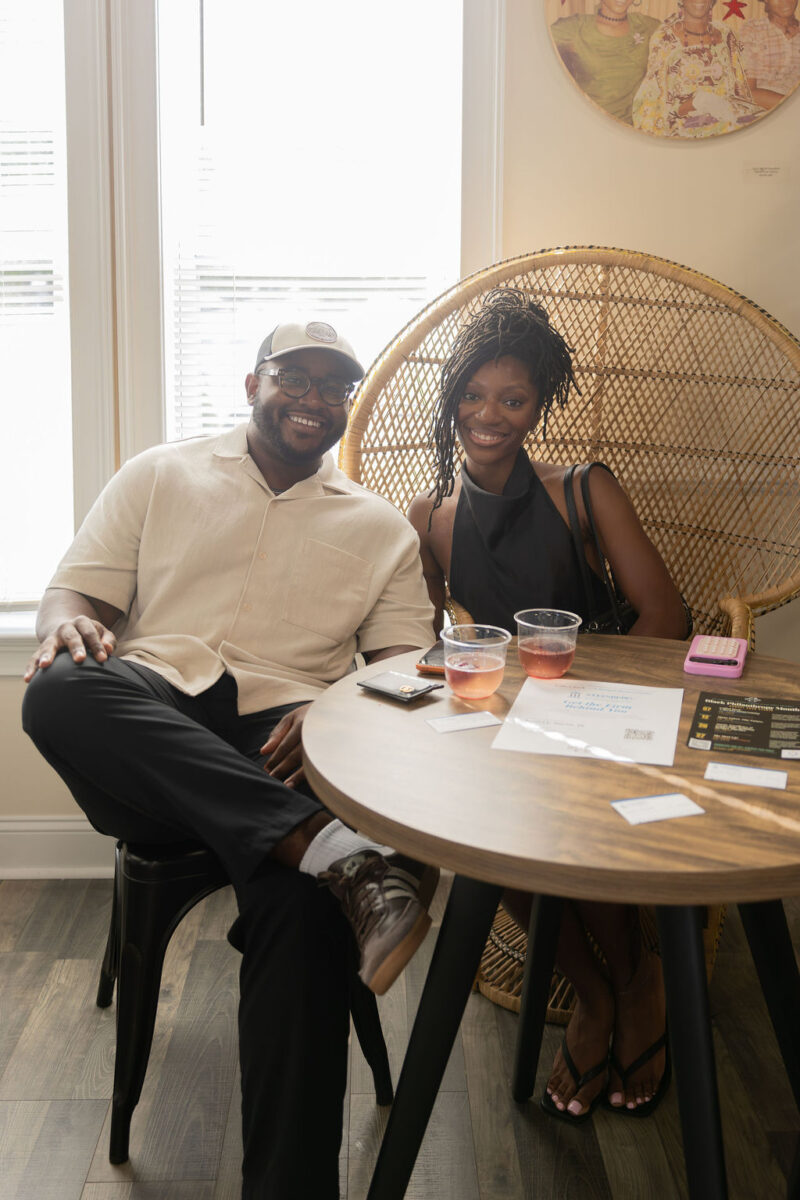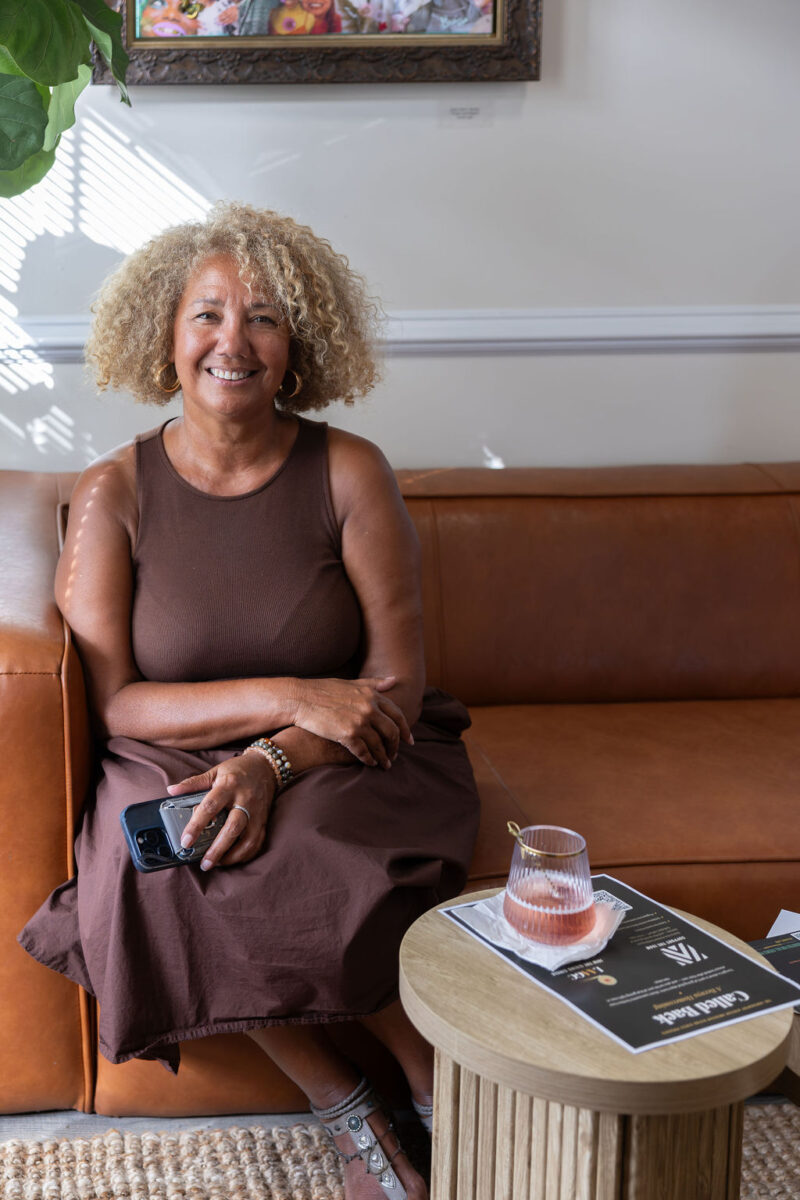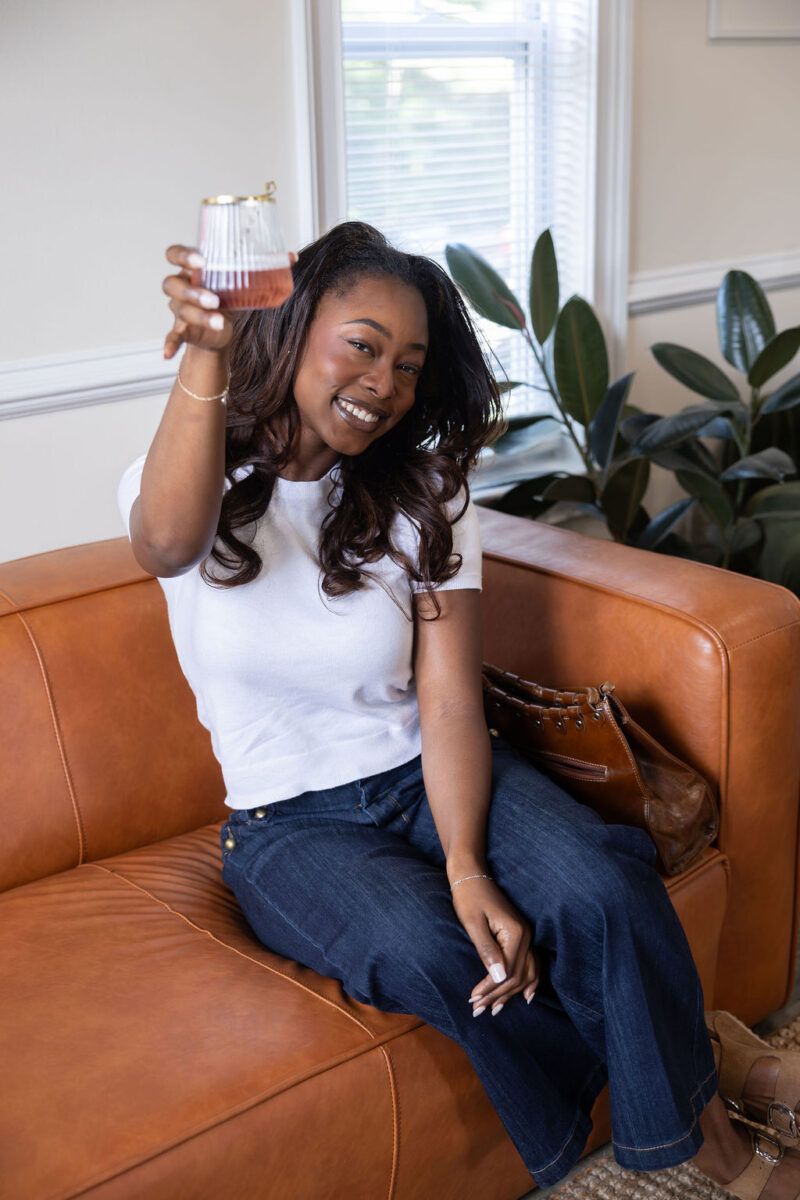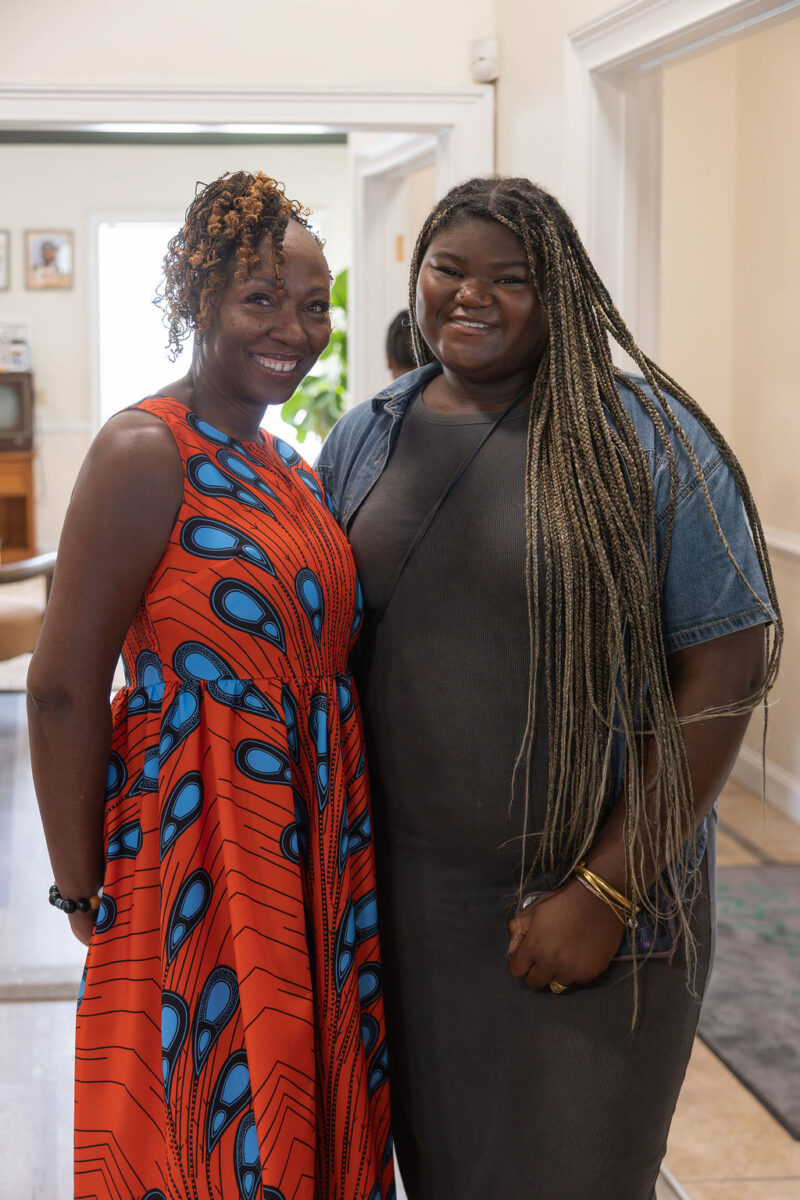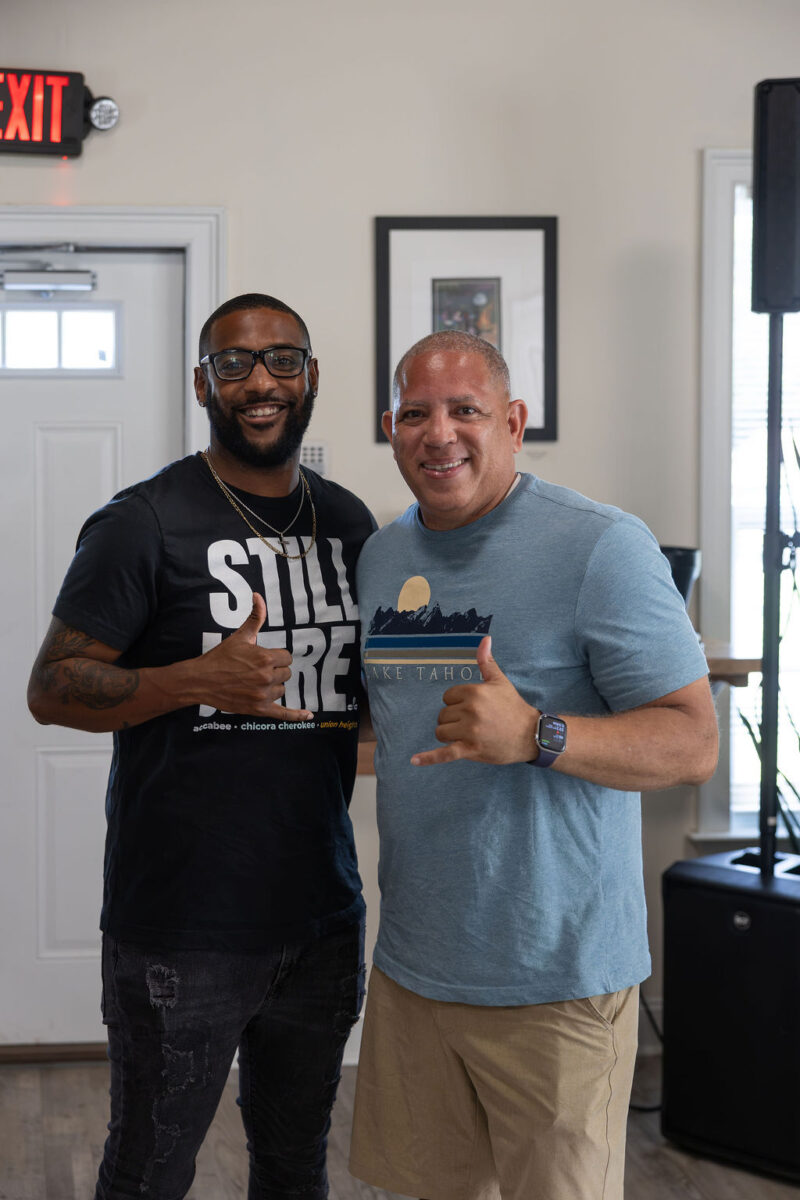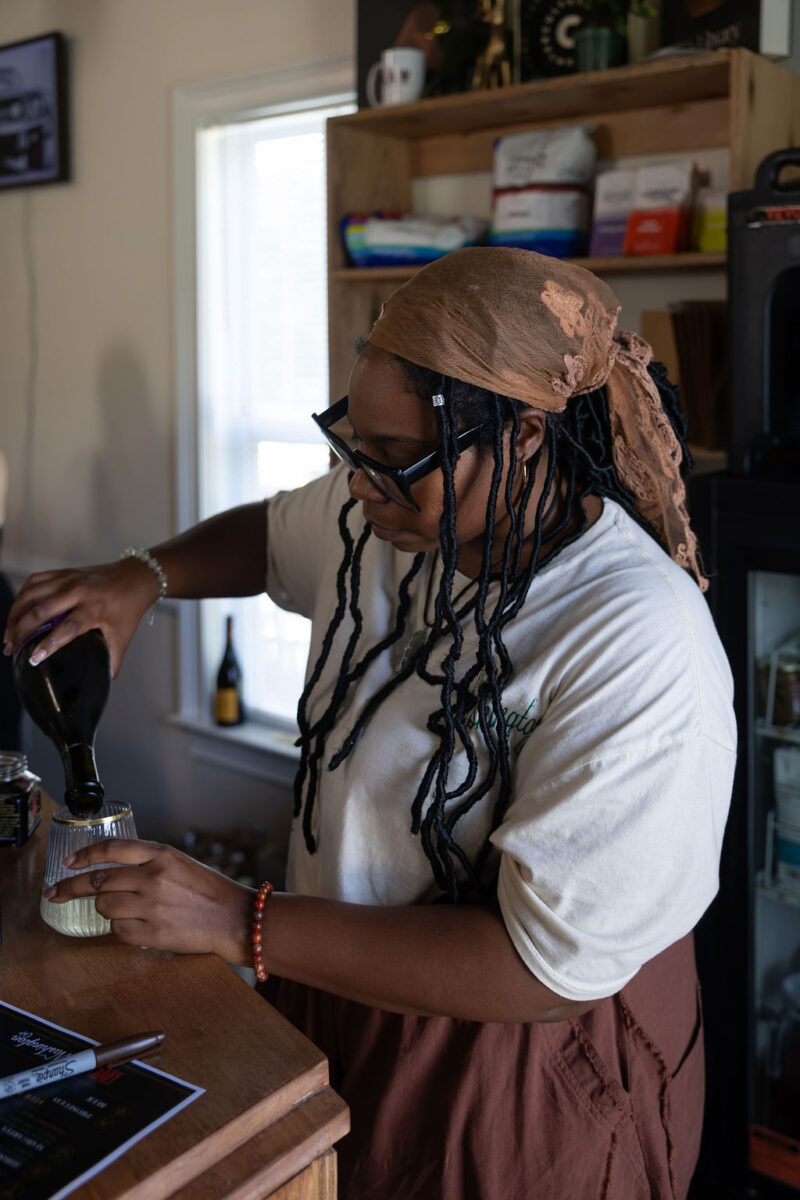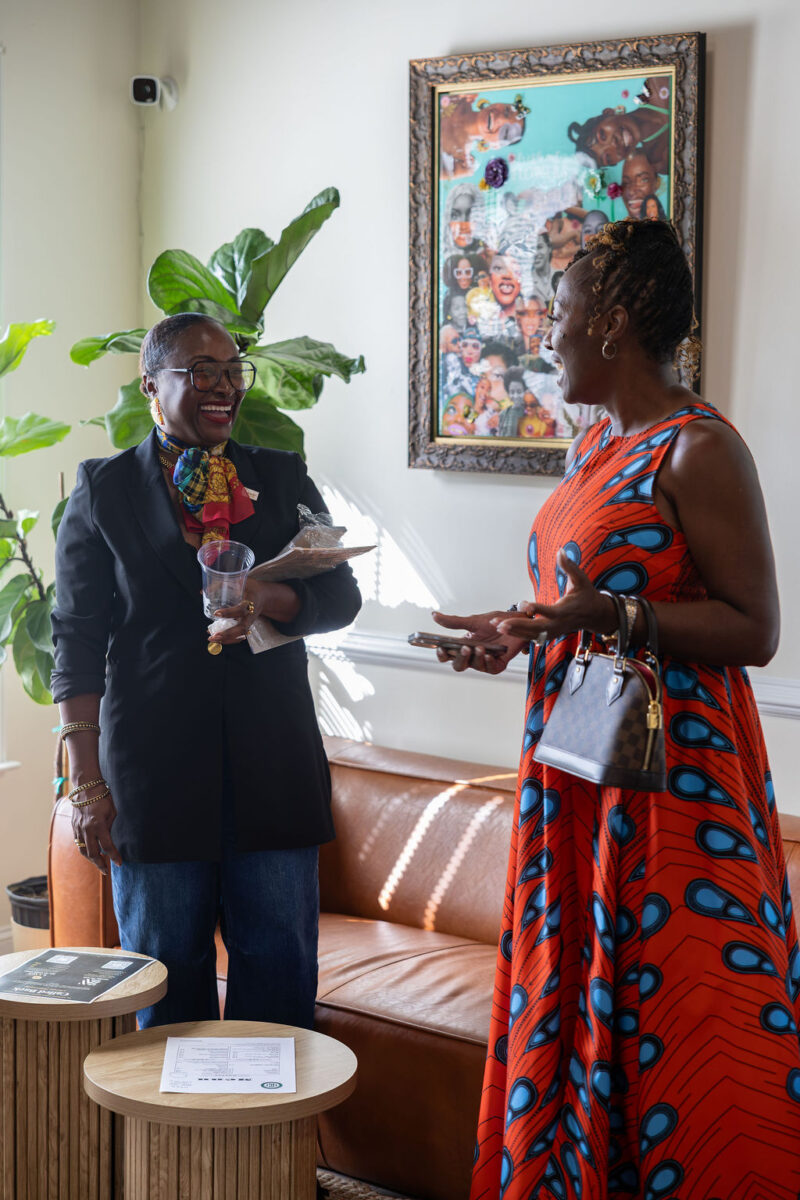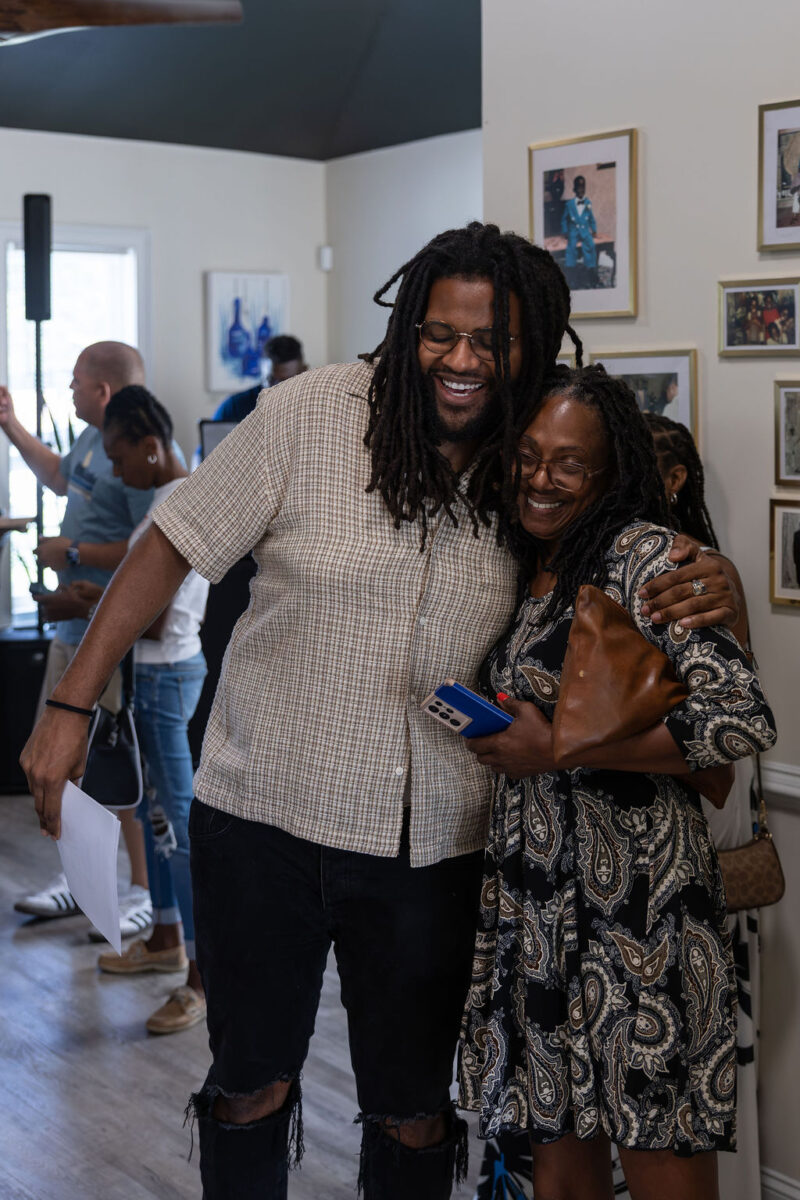






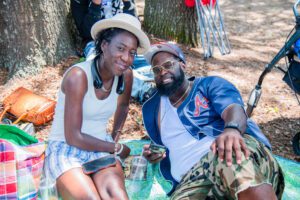
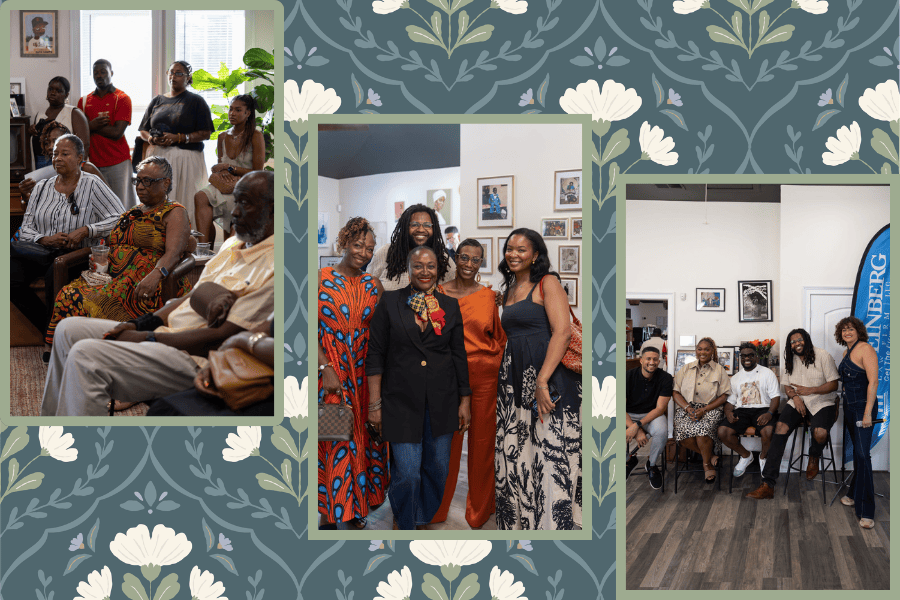
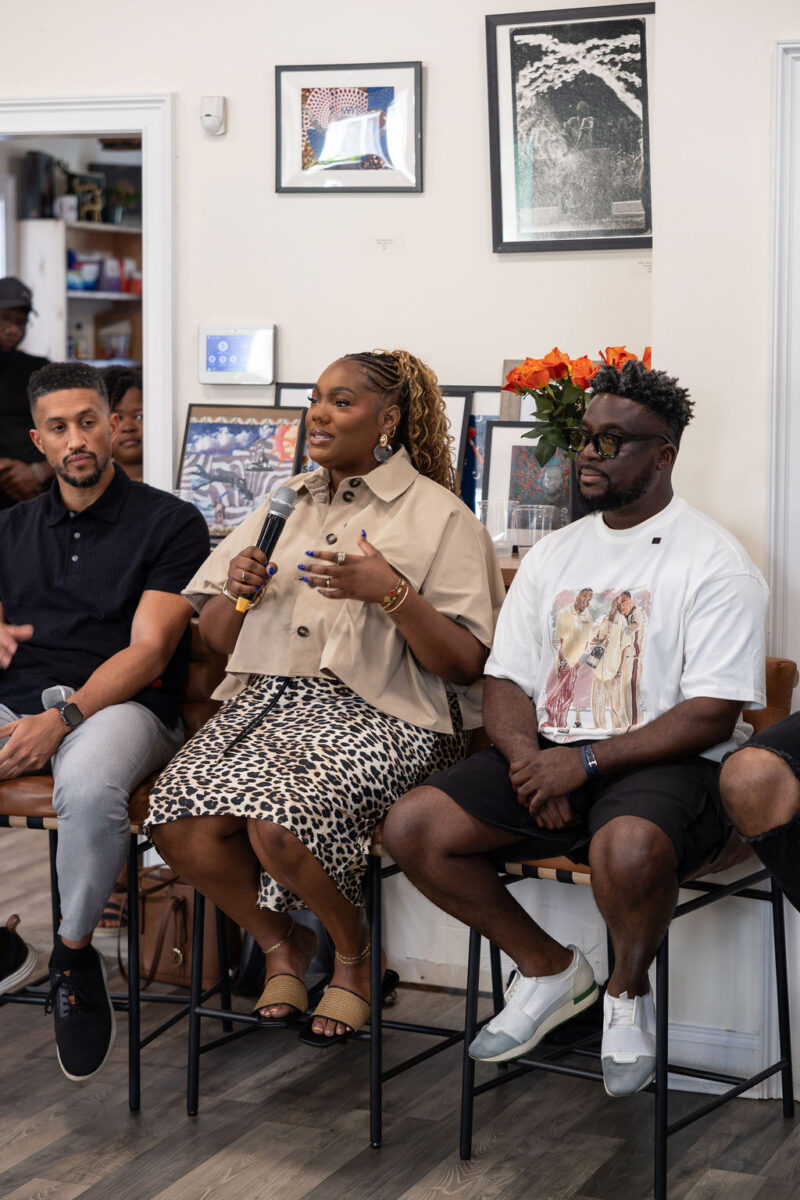
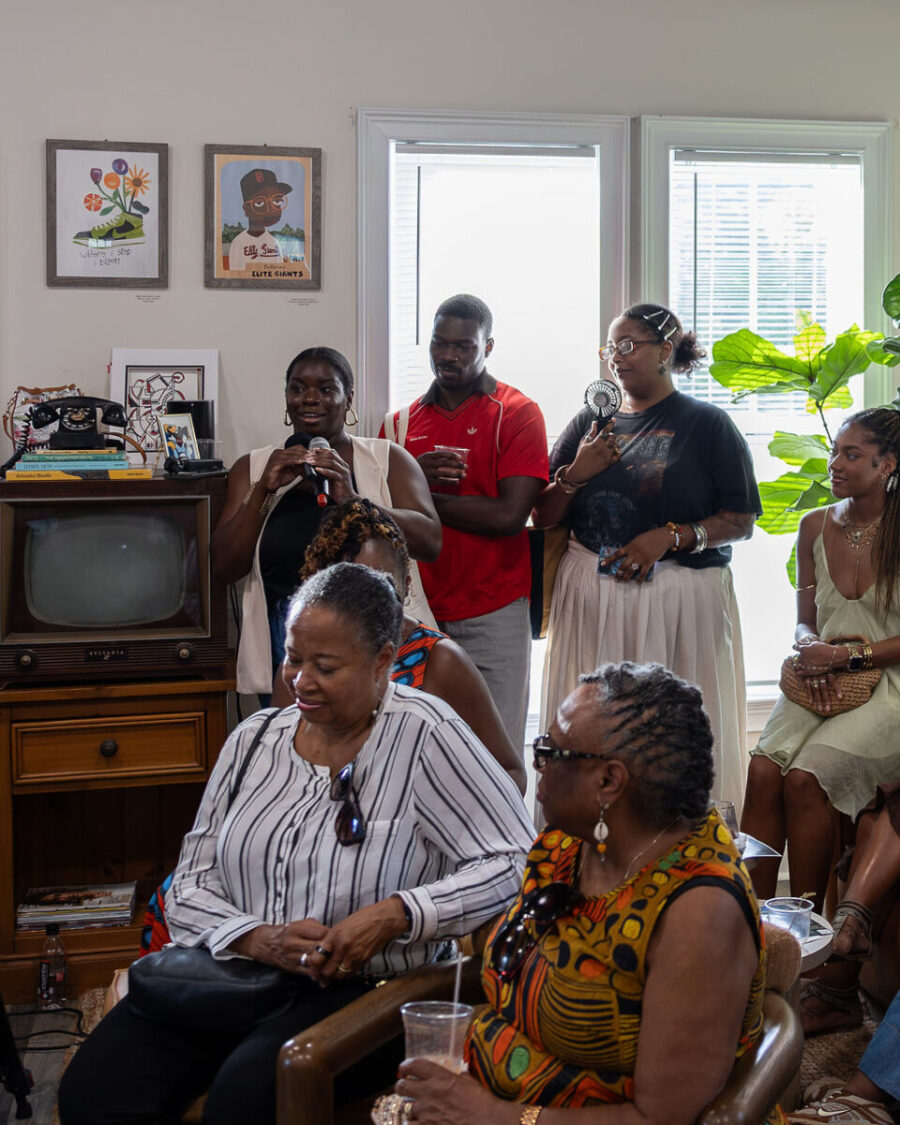
There is a profound power in the act of returning. For the Lowcountry African American Giving Circle, the Beenya Homecoming was more than just a gathering; it was a soulful reclamation of space, culture, and communal responsibility. Held at the intimate and historic The Washington Café, the evening pulsed with the energy of reconnecting with Gullah roots and the shared vision of investing in the Lowcountry’s future.
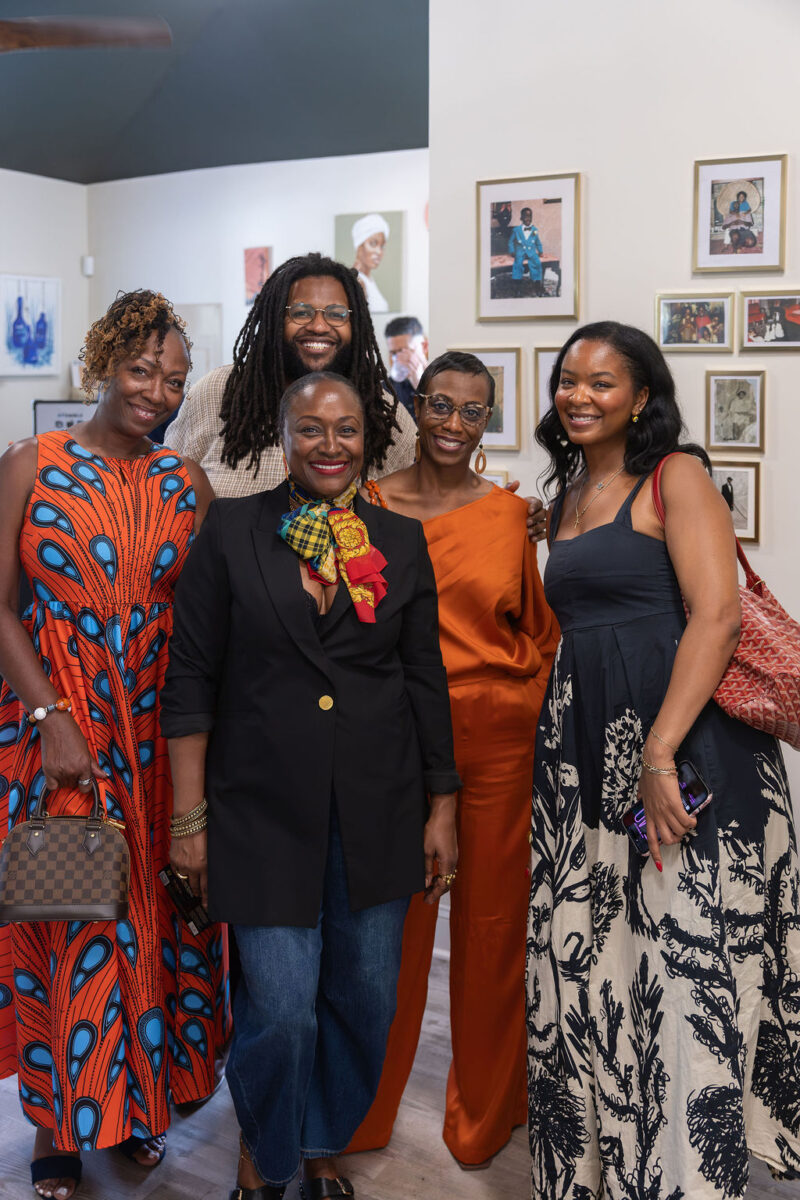
This celebration of heritage and philanthropy was made possible through the generous support of Steinberg Law Firm, whose sponsorship anchored an evening dedicated to collective impact. The event flourished through a vibrant collaboration with the International African American Museum and Black People Love House Music, proving that when creatives, community leaders, and heritage organizations align, the result is a powerful catalyst for change.
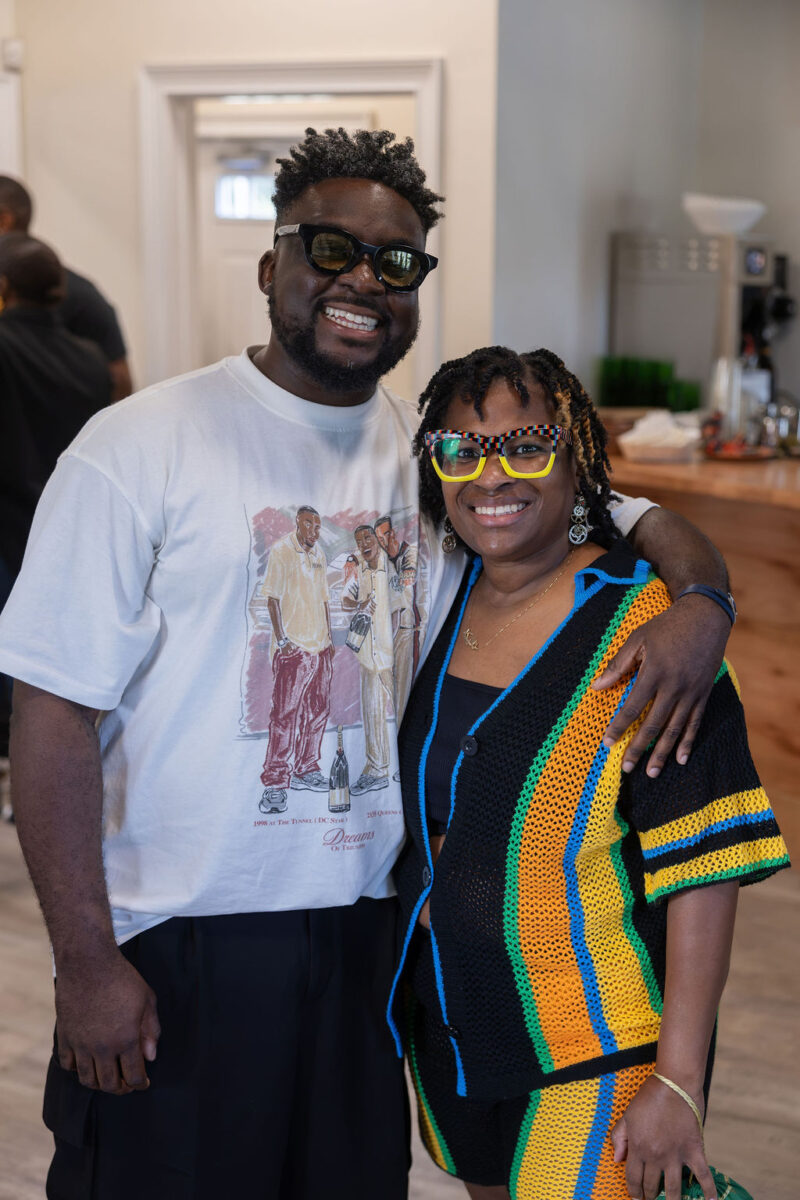
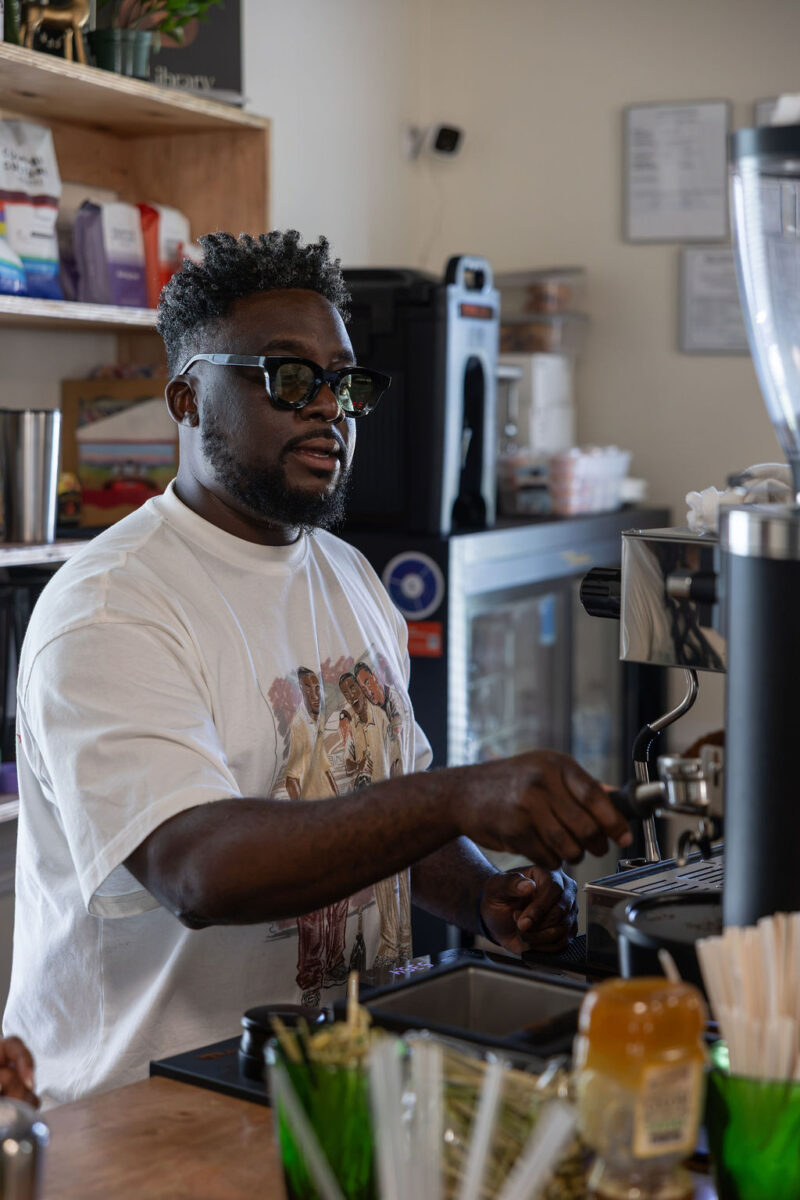
To truly understand the heartbeat of this homecoming, one must look to the man behind the venue. We sat down with Peter Washington III, owner of The Washington Café, to explore how his own journey back to Charleston shaped the evening’s mission. In the interview below, Peter reflects on how Gullah traditions of mutual aid and cultural preservation inspired him to create a sanctuary where community, art, and philanthropy naturally intersect.
1) What inspired this event?
It really happened organically. The first Sunday The Washington Café was open, Jerome Smalls was actually my first customer that day. We started talking and realized we had a lot in common. We both had lived in the DC area around the same time and eventually made the decision to move back home to Charleston.
We started talking about what brought us back, what had changed in Charleston while we were away, and what it feels like to return home after experiencing life somewhere else. During that conversation, Jerome said, “Why don’t we do an event here and talk about this?” That conversation really became the starting point for the event.
2) How do you encourage people to get involved in philanthropy?
I think philanthropy can look different for everybody. It doesn’t always mean writing a big check. It can be giving your time, supporting a local business, mentoring someone, sharing your resources, or simply showing up for something happening in your community.
For me, it’s about getting people to understand that we all have something we can give. I want people to find what they care about and start there.
3) As a child, what ways do you remember engaging in your community?
Growing up in Charleston, community was always around me. Family, neighbors, church, school, and just knowing the people around you were all important. I grew up understanding the importance of showing up for people and being connected to where you come from.
Now that I’m back home, I think I appreciate that even more. A lot of what I’m doing today with The Washington Café comes from wanting to create that same sense of community, just in a new way.
4) How does your Gullah heritage influence how you view philanthropy?
My Gullah heritage has a lot to do with how I think about community and giving back. In our culture, taking care of each other, preserving what we have, and passing things down to the next generation have always been important.
For me, philanthropy is connected to that. It’s not only about money. It’s about preserving our stories, supporting our people, creating opportunities, and making sure the next generation has something to build on. Being back in Charleston and on land that has been in my family for generations makes that connection even more meaningful to me.
5) Any other background you want to share on your connection to philanthropy, arts and food?
Art, food, and community have always been things that bring people together, and that’s a big part of what I wanted The Washington Café to represent. I’ve always had a love for art, and after living in Baltimore and DC for many years, I was able to experience so many different creative spaces, museums, galleries, restaurants, and coffee shops.
When I moved back to Charleston, I wanted to bring some of those experiences home while still making the café feel rooted in Charleston and our culture. That’s why the café is more than just coffee for me. I want it to be a space where artists can show their work, organizations can bring people together, and conversations like the one Jerome and I had that first Sunday can turn into something bigger.
All Photography by Derek J. His Instagram is @odisimedia.