







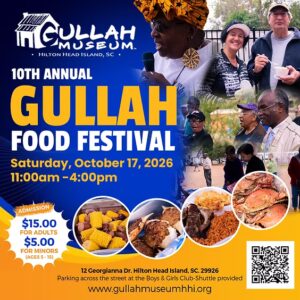
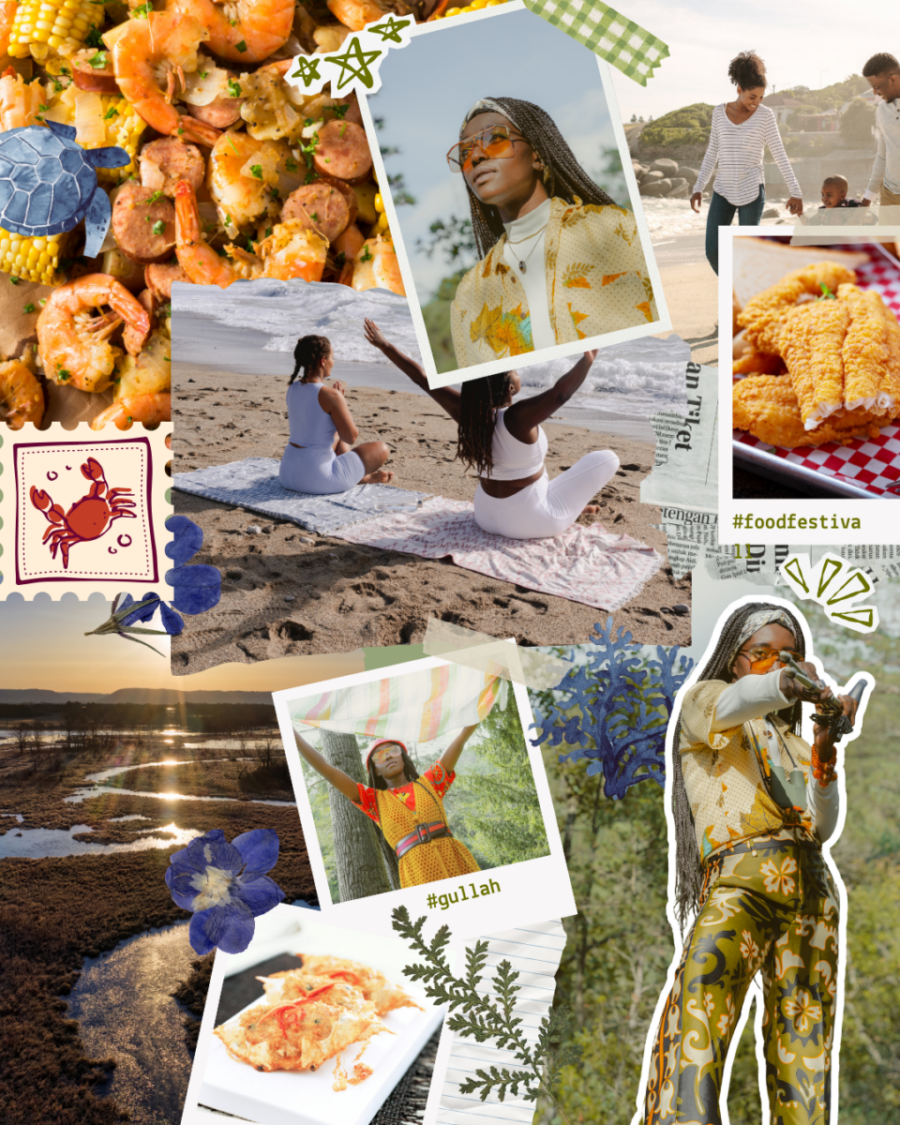
Food in the Lowcountry is a living story that connects generations, preserves history, and brings families together. Attending events like the Gullah Food Festival at the Gullah Museum of Hilton Head Island offers a rich opportunity to celebrate Gullah-Geechee culture, taste authentic coastal traditions, and record cherished family moments. Creating a combined Family Diary and Recipe Book allows you to capture sensory memories, preserve heirloom cooking traditions, and pass down cultural heritage for generations to come.
How to Make a Family Diary and Recipe Book From Attending the Gullah Food Festival
Introduction: Preserving Food, Heritage, and Family Memories
Step 1: Pre-Festival Preparation & Gathering Tools
Before heading to the festival, prepare your journaling and recipe collection tools:
- Journaling Supplies: Bring a dedicated notebook or tablet, voice recorder or smartphone app, and print-out recipe templates.
- Photography Gear: Plan to capture vibrant food plates, artisan displays, family moments, and event atmosphere.
- Conversation Starters: Prepare thoughtful questions for family members and elders, such as “What dish here reminds you most of childhood?” or “What special ingredients did your family use when cooking red rice or perloo?”
Step 2: Documenting Your Experience at the Festival
While enjoying the festival activities, immerse yourself in the sights, sounds, and flavors:
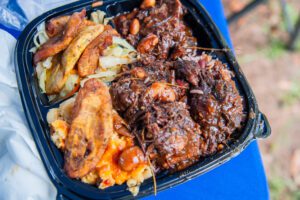
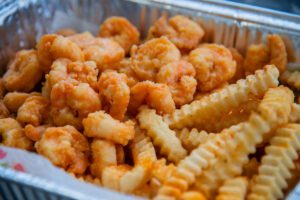
- Taste & Note Iconic Dishes: Take sensory notes on traditional Lowcountry classics like Red Rice, Shrimp Perloo, Seafood Gumbo, Shrimp & Grits, Devil Crabs, and Stew Chicken. Record flavor notes, spice levels, and unique cooking techniques mentioned by vendors.
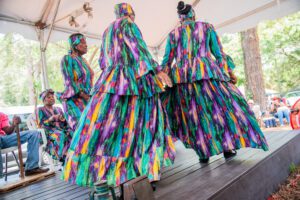
- Capture Storytelling & Music: Attend Gullah storytelling sessions, live musical performances, and historic exhibits at the Gullah Museum. Jot down key historical facts, oral legends, and quotes from local storytellers and cultural preservers.
- Record Family Moments: Document who attended, funny quotes, shared laughter over lawn chair picnics, and multi-generational reflections.
Step 3: Structuring Your Family Diary & Recipe Book
Organize your book into clear, engaging sections:
Section 1: Our Family Festival Journal
- The Journey & Festival Day: Event date, location, weather, and personal reflections on arriving at Hilton Head Island.
- Family Highlights: Individual quotes, favorite festival moments, photos of the day, and reflections on community connection.
Section 2: Heritage & Foodways Context
- Gullah-Geechee Culinary Roots: Background on field-to-table traditions, coastal fishing, Carolina Gold rice culture, okra, and seasonal produce.
- Honoring Elders & Cookbook Inspirations: Stories of matriarchs and community elders (inspired by traditions like Mama Doonk’s Gullah recipes) who kept food heritage alive through scrapbooks and oral recipes.
Section 3: The Festival Recipe Collection
Recreate and adapt festival-inspired dishes with step-by-step instructions:
- Classic Gullah Red Rice: Rich tomato base with bacon, smoked sausage, peppers, and fluffy rice.
- Lowcountry Seafood Perloo (Purloo): A one-pot rice dish loaded with shrimp, crab, sausage, and aromatic spices.
- Traditional Shrimp and Grits: Stone-ground grits topped with wild-caught Lowcountry shrimp and savory gravy.
- Seafood Gumbo & Devil Crabs: Coastal favorites celebrating crab meat, okra, and rich brown roux.
- Festival Sweet Treats & Refreshments: Traditional desserts and southern beverages enjoyed during the festival.
Step 4: Incorporating Family Interviews & Oral Histories
Transform a standard cookbook into a treasured keepsake by weaving in family voices:
- Elder Spotlight: Record interviews with grandparents or parents about family Sunday dinners, holiday menus, and inherited cooking secrets.
- Recipe Variations: Note how your family personalizes standard recipes (e.g., secret seasoning blends, vegetable additions, or dietary tweaks).
Step 5: Formatting, Printing, and Preserving Your Heirloom Book
- Design & Layout: Combine photos, scanned handwritten recipe cards, historical notes, and festival ticket keepsakes.
- Printing Options: Create a bound hardcover photo-cookbook, a ring-bound kitchen binder with clear protective sleeves, or a digital PDF to share with distant relatives.
- Passing It On: Dedicate the book to future generations with a heartfelt opening family letter celebrating legacy, love, and Lowcountry culture.