












Spending Black is as much an act of will as it is a strategy.
It is also an imperative.
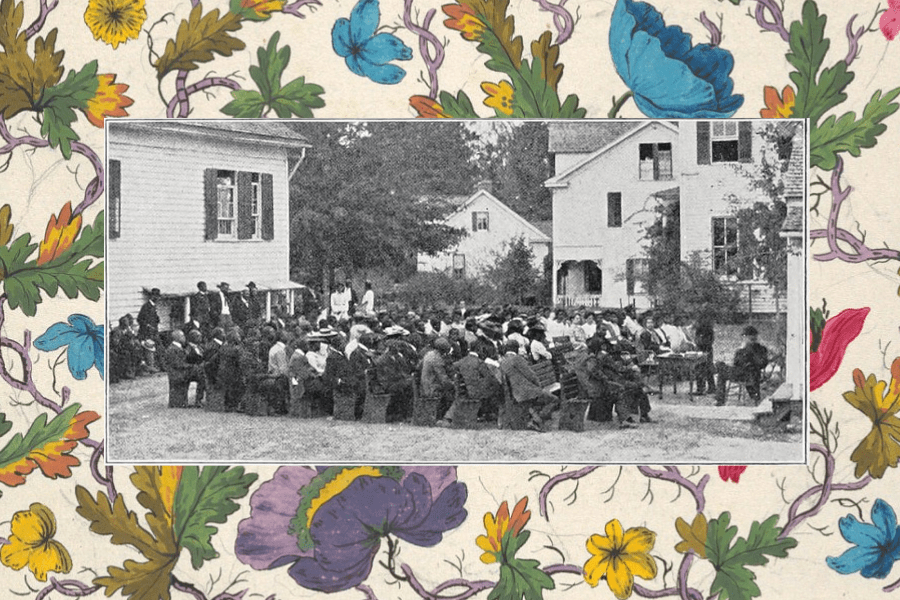
In a booklet he co-authored for the National Trust for Historic Preservation, Brent Leggs wrote, “My experience has shown me that the preservation of historic African American sites often happens on an informal basis. Each time someone gives to a church’s building fund, that person is helping rebuild historic fabric. Whenever volunteers mow the grass at a historic cemetery, they are conserving an important cultural landscape. When relatives gather at the family farm for a reunion or to celebrate Juneteenth (June 19, 1865, when emancipation was widely announced), they are honoring their past.”
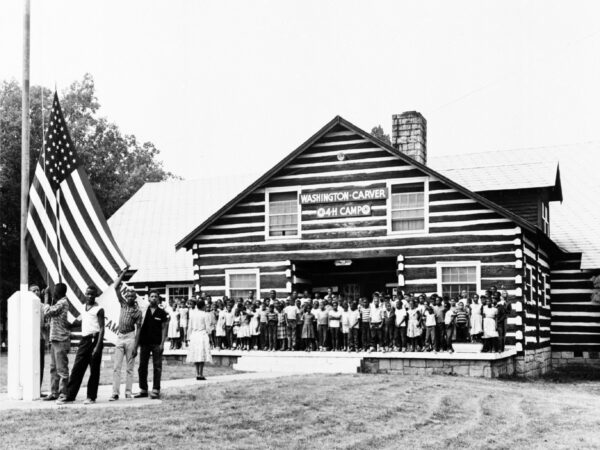
It is believed that the lifespan of buildings and some outdoor spaces can be prolonged by human use. The presence of human bodies – living and breathing – lends soul to our historic buildings, the surviving buildings, and places like public parks and golf courses. Those places should not have to disappear or decay in order for us to care about them now simply by doing one thing: Using them.
Why support these spaces?
- Because our tax dollars – local, state and federal – support many of these spaces. Why not use them for our next gatherings and events?
- Because we spend a large portion of our event budgets (small and large) on other places like white plantations while ours are in a state of peril and need the support.
- Because great memories can be made in free places like our parks and in culturally-significant spaces like our museums and HBCUs.
Where can we find these spaces?
Everywhere.
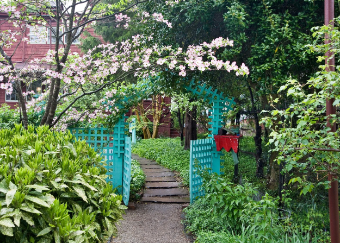
They exist in cities and rural communities. Most are right under our noses and a block (or two) away. Here are some examples:
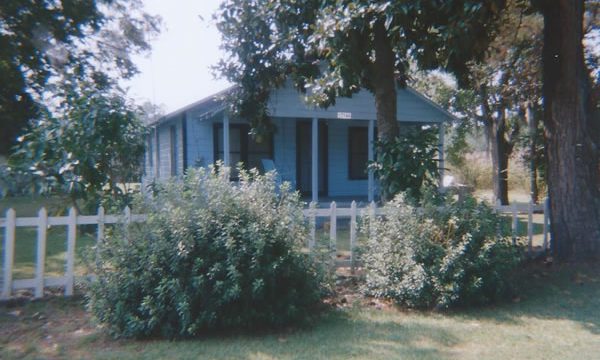
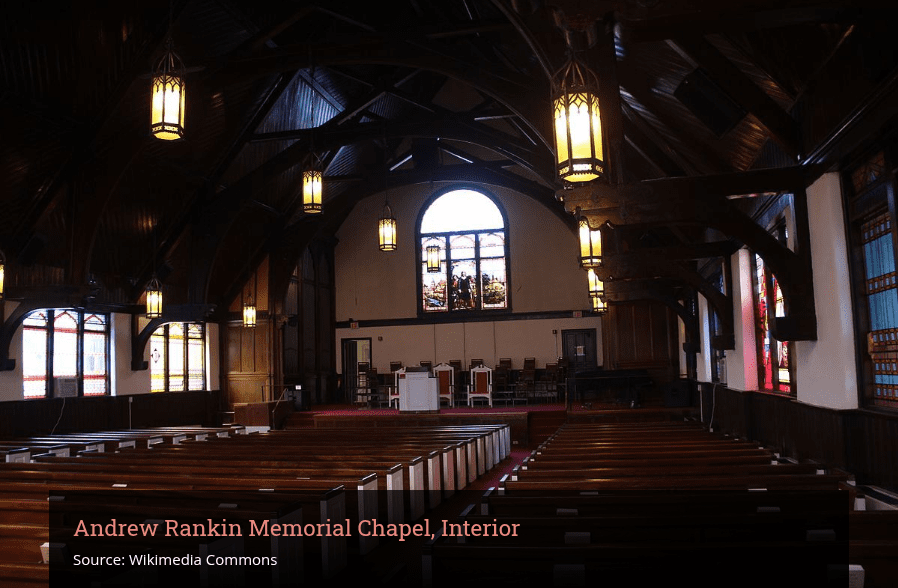
- HBCU chapels, libraries, museums and ballrooms. If your event is in line with the institution’s standards for public use of their facilities, then consider supporting their work and paying to lease their spaces for an event.
- Black church fellowship halls.
- Black farms. The Black Farmer Index is a place to start identifying farms with the capacity of holding your events, but one of your greatest resources would be a local. Locals know the people and the places. Examples: Bowman Vineyard in South Carolina. T&T Organics in West Virginia. Bonus: Shoppe Black has a list of Black-owned ranches that can be considered for events.
- African American botanic gardens and arboretums. Few are standalone, individually owned properties, while most are affiliated with your local botanic garden and arboretum, but they need support to survive and often allow private events – like weddings and tea parties. (The Anne Spencer House & Garden Museum) in Lynchburg is an amazing location for weddings.
- African American museums and cultural centers. Most have event spaces for lease to the public. The Association of African American Museums (AAAM) has a directory of member museums.
- Public golf courses. They often come with a clubhouse. Your tax dollars support it, so why not utilize every amenity they offer? Want something more exclusive? Try one of the Black owned golf courses listed HERE.
- Black-owned bookstores. Hold your book club meeting in one (some will require you to buy the book from them), host a salon to discuss the arts or current events, and hold a meeting there with a commitment of purchasing coffee and product from them. The African American Literature Book Club has a list of 180 Black-owned bookstores you can use as a reference.
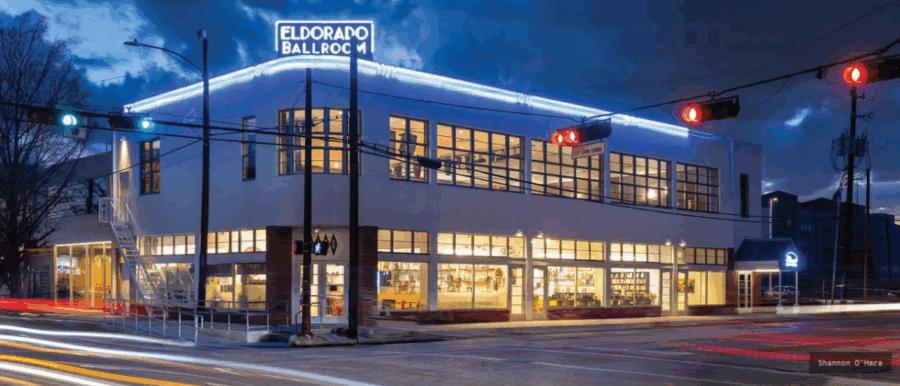
- The African American Cultural Heritage Action Fund has supported a plethora of Black-owned and built spaces in the United States. Many of those spaces like Houston’s historic Eldorado Ballroom have event spaces for use by the public.
- The United States Civil Rights Trail is another wonderful resource with landmarks and sites open to the public for event use.
What type of events can we hold in these spaces?
Almost any type of event.
Here are a few examples:
- Conferences, conventions and meetings
- Family reunions
- Class reunions
- Birthday, anniversary parties
- Sporting events
- Galas, formals
- Most programmed events like book launches, retail showcases and public lectures
Anything you can do in other places, you can do in a Black-owned or Black cultural space.
To expand upon using traditionally and historically Black spaces for events, we can also commit to utilizing the services of Black vendors such as caterers, event designers, musicians and more. Creating an ecosystem of Black business support is essential and important to the survival of our traditions and the places that are important to our memories.
So, it bears repeating that spending Black is as much an act of will as it is a strategy. It is also imperative. Our ancestors knew that better than any of us as they built institutions and practices that benefited the whole community, and that included investing in those institutions with their money and sweat equity.


Robin Caldwell is the blogger behind freshandfriedhard.com and academic researcher focusing on Black history, heritage and culture. Public historian primarily in Black American historical foodways: antebellum and regional.
