

















What happens when a therapist, a former education professional and furloughed federal worker roll up into the group chat? You have three moms weighing in – personally and professionally – on the topic of preparing children for financial transition and food. How do you feed children, when financial uncertainty is looming? How do you transition your children from eating some of their regular foods (expensive snacks, fast food) to eating more home-cooked fare? How do you feed them nutritious foods as the cost of groceries goes up and your food budget goes down?
Heritage at Home: Eating Whole Foods & Pantry Staples To Budget, Conserve and Honor Our Food Traditions with Your Family

According to a USDA report, “Children are usually protected from substantial reductions in food intake even in households with very low food security. Nevertheless, in about 1.0 percent of households with children (374,000 households), one or more children also experienced reduced food intake and disrupted eating patterns at some time during the year.”
It is that disruption and reduced food intake the moms in the group chat address. The one thing the therapist mom, former education pro mom and the furloughed mom agree on is that it is important to have The Talk with your children as soon as possible.
“It’s best to be frank about your circumstances and trust that they will understand,” said family therapist Jennifer McClellan Johnson. “Unless they’re entitled, rarely hearing ‘no,’ they will be fine and adapt.”
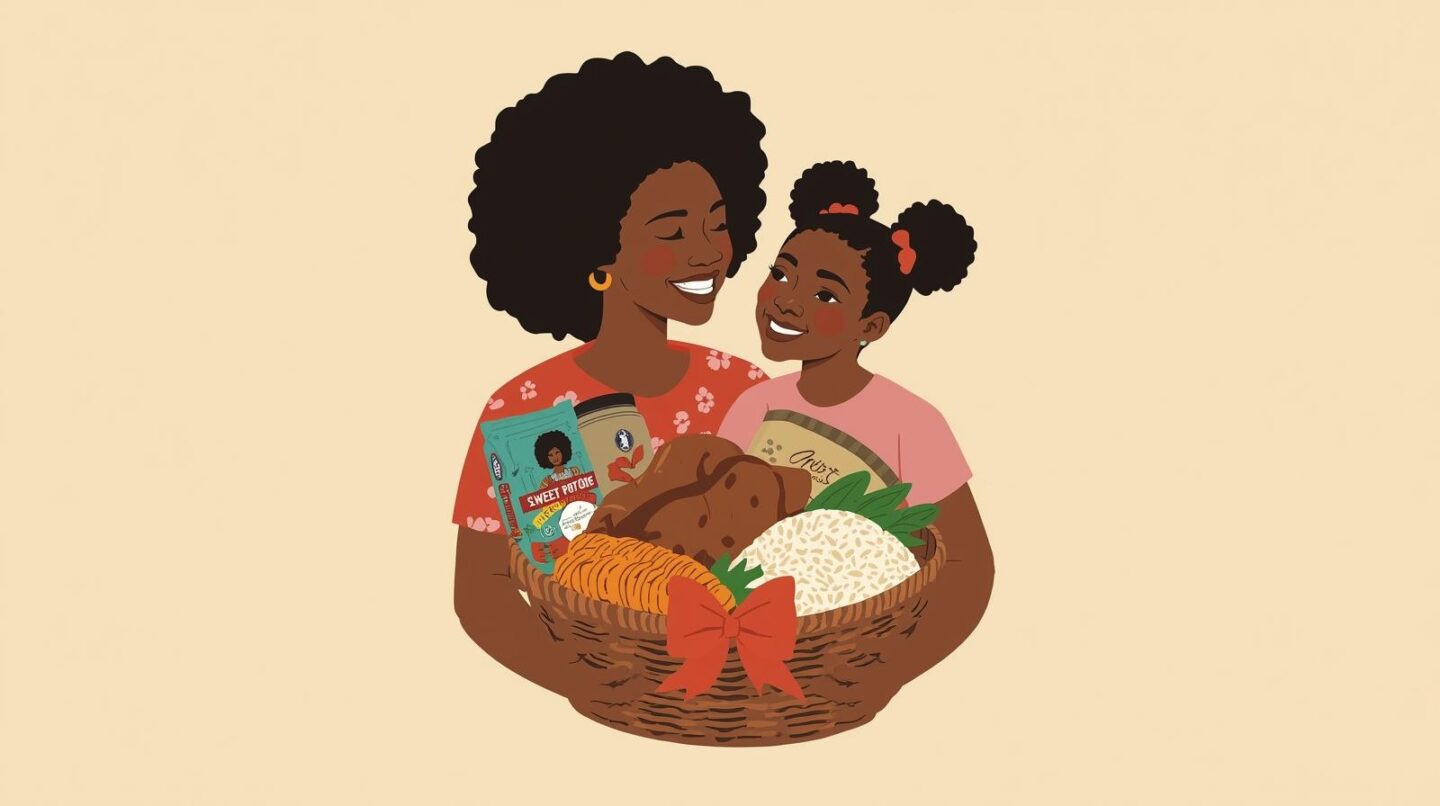
Furloughed federal employee Stephanie Collier had The Talk with her adult son and teen daughter. She has kept them abreast of every single tentative step along the way. But she also took a few steps to make the transition smoother. “Federal workers have been under siege since January. My instincts told me to start fortifying my pantry and finally get that deep freezer so that is what I did months before the actual shutdown.” Collier’s children not only adapted but showed support by letting her know that they are willing to pitch in, where needed. One surprising outcome is that both of her children are expressing an interest in cooking. Her adult son lives out of state but has been relying heavily on her cooking instruction as well as her recipes. She said, “My princess just waits for me to cook. She really doesn’t like cooking but has taken more of an interest lately. I keep telling her to watch me do it. I have been writing things down and taking step by step pictures.”

Paulette Kendrick-Gray recalls growing up in a household that didn’t offer much in the way of options. “You either ate what was on the table or you went to bed hungry,” she said. Kendrick-Gray’s mother was a child of the Great Depression, when not one morsel of food was to be wasted. She clarifies, “My mother worked hard, and she couldn’t always accommodate our individual food preferences. Her budget wouldn’t allow it. I chose to go without eating, if I didn’t like what she’d prepared.”
This is not a tactic she currently recommends. As a former education professional, Kendrick-Gray saw her fair share of children coming to school hungry. “It was something that we were required to report” for the purposes of investigating potential child abuse or neglect. “And most times, it was food insecurity. Mom or grandma didn’t have enough food. SNAP had run out or there was more month than money,” she said. “The fear of judgment keeps many parents and guardians from sharing their financial situation with someone at the school.
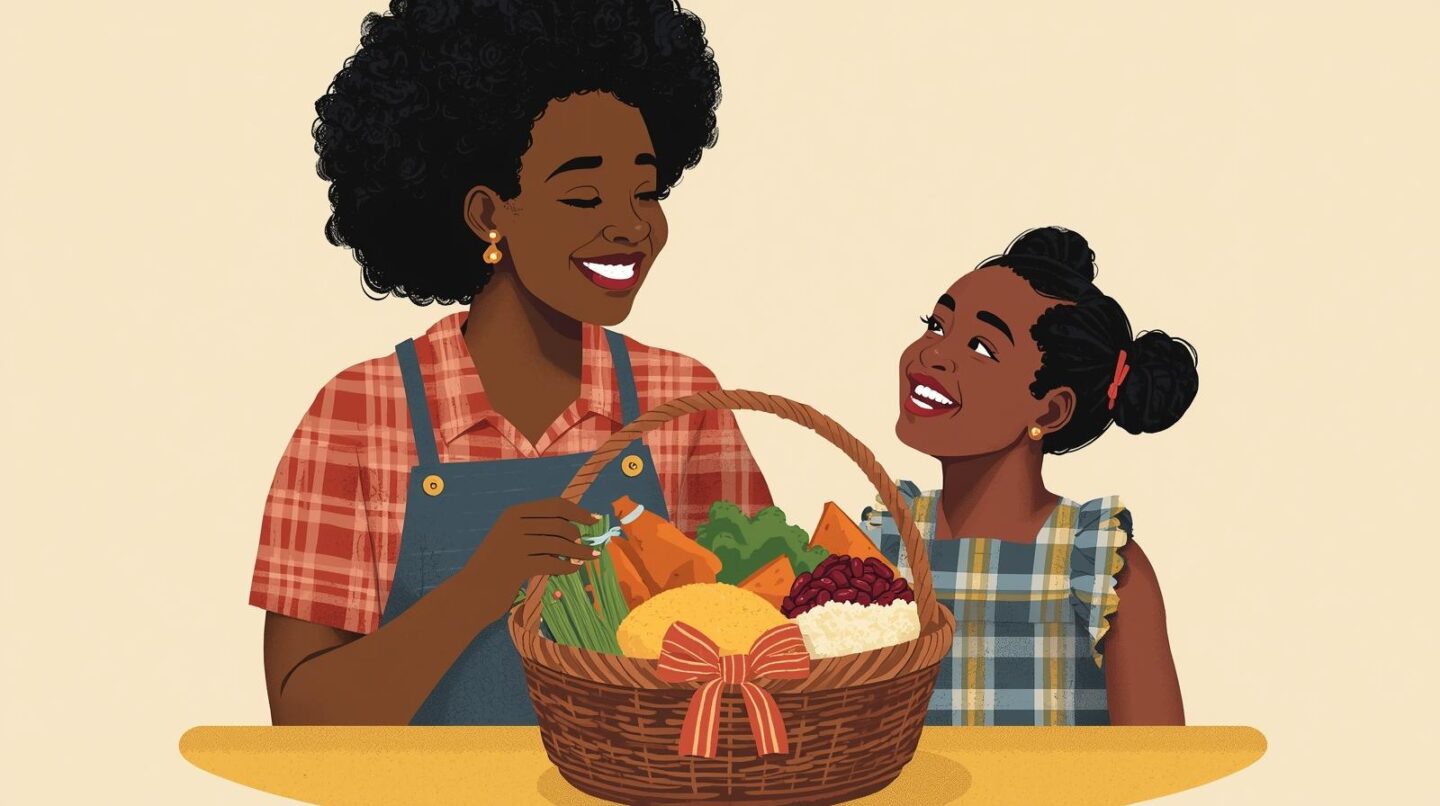
“Remaining silent can cause more bureaucratic problems than its worth. Telling someone can work against pride but having your children removed for a simple fix can cause trauma.”
To help parents, some school districts have resource counselors or social workers who serve as a dedicated link between parents and community resources. There are some public library systems that have a social worker on-staff to provide the same services.
Jennifer McClellan Johnson suggests families in transition draw closer to their circles, whether that means members of their biological and chosen families or community organizations. She said, “Find the ones you can trust with your situation. Ask them for help in trying to figure out solutions.”
Johnson, the mom and grandmother, recommends pooling resources with other moms. “Go in together to purchase pantry staples, produce and meat in bulk. Swap recipes and coupons. Take turns cooking or meal prepping. Co-host potlucks with enough food left to send everyone home with extra. And, if anyone offers to help, let them.”
Paulette agrees. “Be creative. It’s in us.”
Stephanie, the third mom in the group chat, co-signs Paulette and Jennifer, adding, “This latest attack on the poor and African Americans specifically has made me think to hold some classes and team up with others to show people how we made it before fast food. And, how we should squad up in the community to support Black farmers and each other.”



Robin Caldwell is the blogger behind freshandfriedhard.com and academic researcher focusing on Black history, heritage and culture. Public historian primarily in Black American historical foodways: antebellum and regional.
