



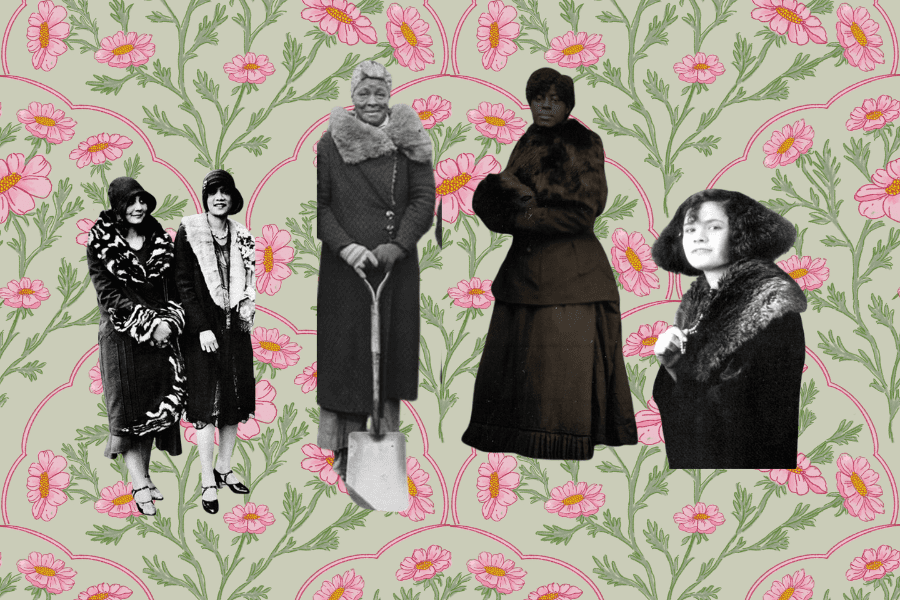
Have you ever seen a TV ad inviting the public to attend an exclusive hotel fur sale? Maybe you’ve seen the ads for winter fur sales? No? Chances are you don’t live in Detroit, Chicago, Cleveland or New York, where those ads run on local television stations, and have, for years. Furriers know their market, and they know that fur purchases have little to do with cold weather. (View a Richard R. Welch fur commercial.)
It was all about style, lifestyle and taste. A fur coat made a woman look and feel successful.
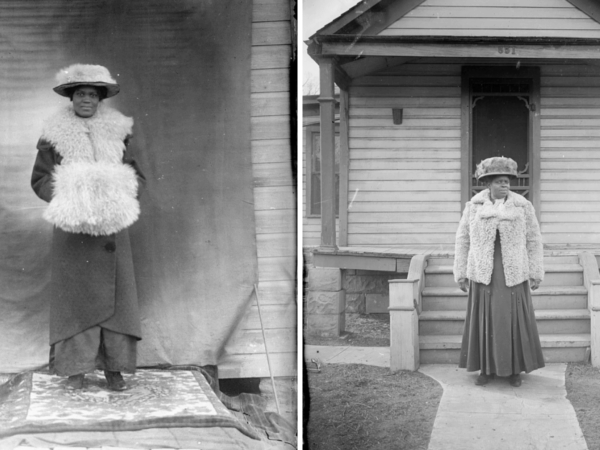
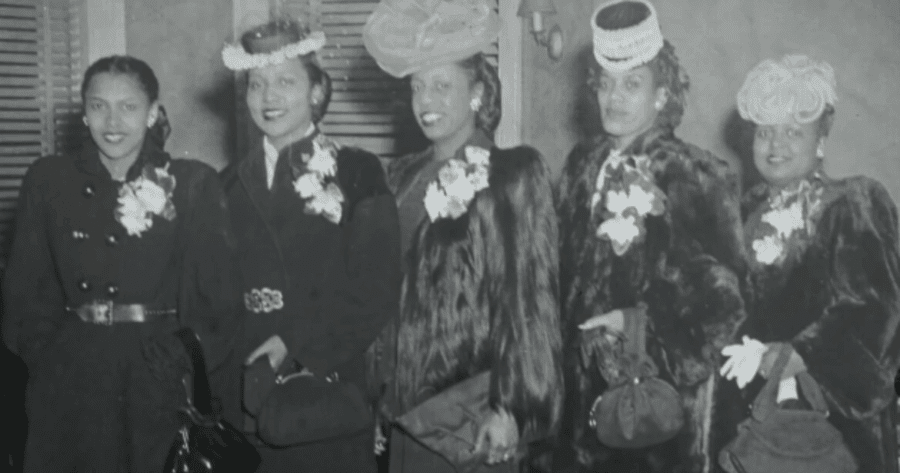
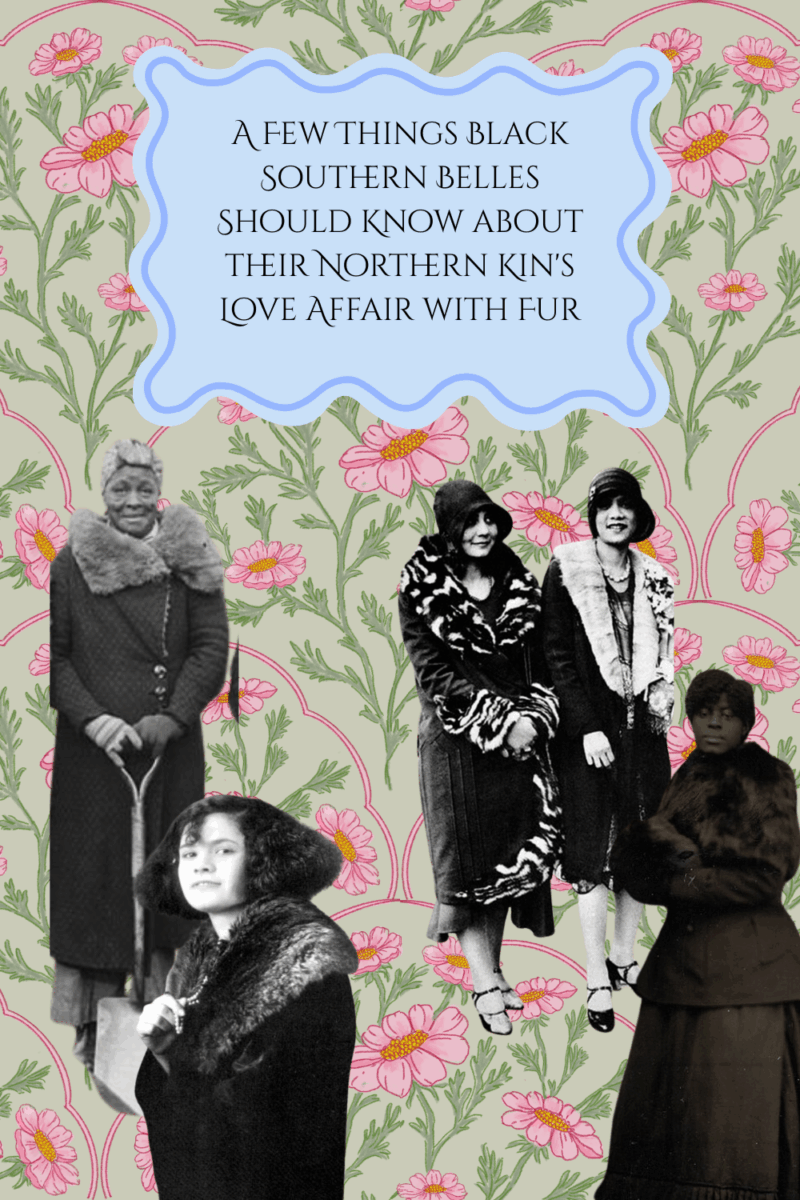
Some of our northern cousins and aunties (and uncles) – likely descendants of the Great Migration – are enamored with fur coats and accessories. All one needs to do is scour archival and vintage photos on Instagram or in a museum’s digital collections to see how fur coats were an important part of many Black women’s wardrobe choices, especially in the North. First ladies of churches, club women, professional and non-professional women, women who liked the nightlife, and some of our beloved Black divas in entertainment embraced the glamour, stylishness and upward mobility conveyed in a fur coat, jacket, stole, muffler and hat.
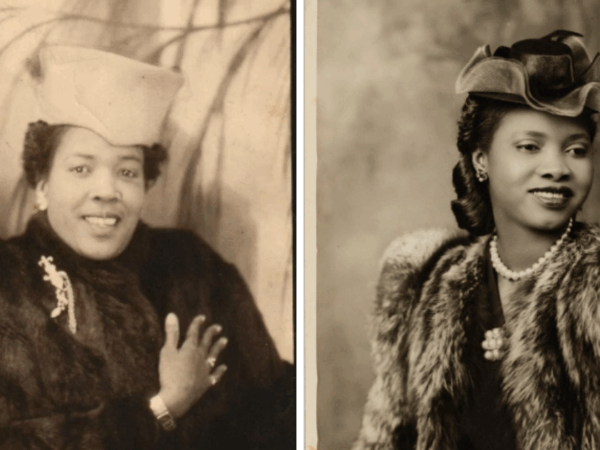
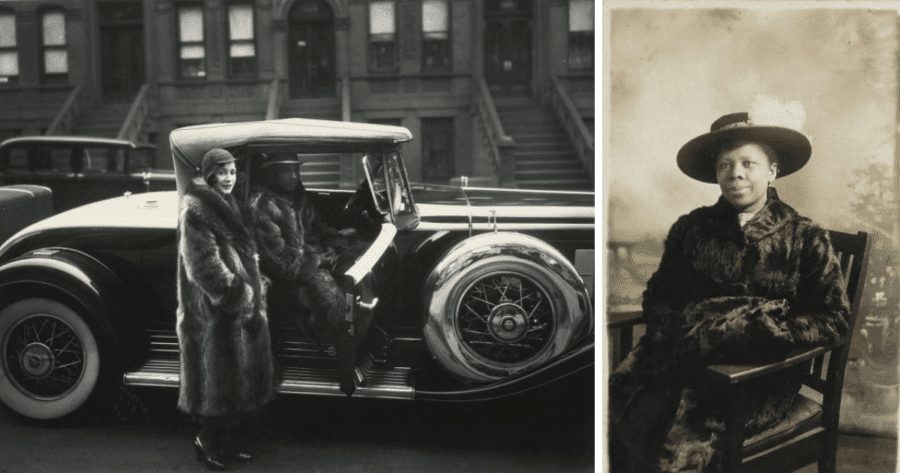
Some of our most beloved Black divas with southern roots wore their furs with pride. Josephine Baker owned a wardrobe of furs that she wore during performances, to formal events and just because. Though born in St. Louis, her maternal line was from Arkansas and Virginia. Here is an auction item with one of Josephine’s furs. Eartha Kitt was born in North, SC, and photos show her sitting on the floor in a circle of her furs. Diahnn Carroll fabulously wore fur in real life and as the legendary “Dominique Devereaux” on TV. Her family heritage was rooted in South Carolina. And living diva Mary J. Blige (Georgia roots) was one of the divas who transformed hip hop into fabulousness with fur.
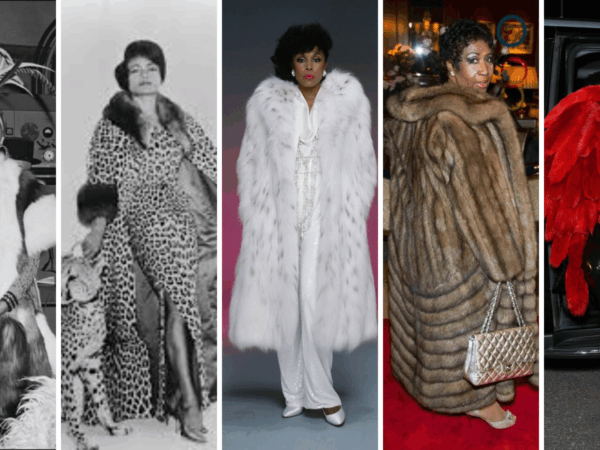
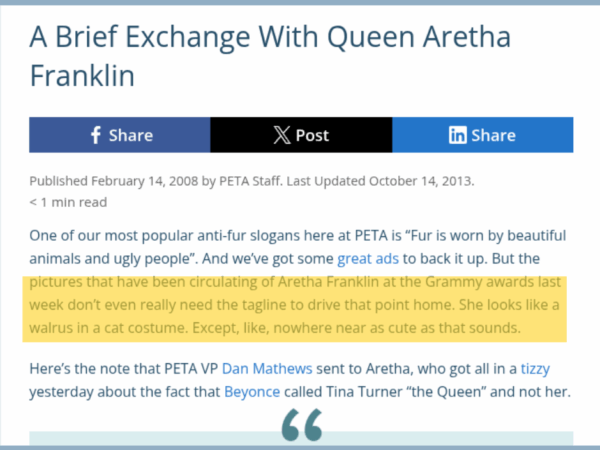
The most legendary fur-loving diva of them all was Aretha Franklin (both parents were born in Mississippi). The evidence of her love for fur lives on. Remember the time she walked onto the stage, dropping her fur to the floor pre-performance? PETA had a one-sided beef with the Queen of Soul that lasted decades.

There’s not enough time or space to adequately describe Black women’s fur-love. We cannot pinpoint a single moment in time to attribute an origin story. But this is what we do know:
- Black men (and we suspect some women) engaged in fur trapping and trading. Men like George Bonga and James Beckwourth amassed small fortunes trapping and trading. Some enslaved Africans trapped furry animals for food and for the pelts, which were often used to make blankets. The late furrier Nija Gloria Battle made a small fortune on the skills she learned from her hunting father and North Carolina grandmother, who was a hunter and trapper. Her grandmother Alice raised stone martens for their fur, which she used to make blankets and stoles. Nija’s fur coats and clothing draped everyone from Iman to Lil’ Kim to Mary J. Blige and a host of athletes and entertainers.
- A number of Black domestic workers inherited their first fur coats from their white employers.
- A good number of Black women inherited their first furs from their mothers and grandmothers.
- Black magazines such as Ebony, Jet, Essence and Black Enterprise featured African American notables and article subjects wearing fur. Black newspapers did the same. Fur was a symbol of aspiration and status.
- Popular culture moved many people to buy fur. In the earlier part of the 20th century, images of women like A’lelia Walker wearing fur served as a muse for women who wanted to look more prosperous. From the 1930s to the 1980s, film and television influenced fur sales in Black communities. And the hip hop era elevated fur-love as seen in music videos, on HBCU campuses and in the clubs (thanks in part to Nija Battle and Dapper Dan).
Our cousins and aunties Up North and south-adjacent still love their furs. Moreover, some of them are furriers. In DC/Philly is FurrReal Furs, which is owned by “P” is a business that nods to the Black women in her family who loved and collected furs. (Follow @furrreallifestyle on Instagram) Richard R. Welch Furs, a storied Detroit furrier (Aretha Franklin was a client), is now operated by his daughter, Tiffany. Welch Furs was the first licensed Black furrier in the state of Michigan. (Follow @richardrwelchfurs on Instagram) And St. Louis’s Tiara Marie is the owner of The Fur and Leather Centre, and her furs have been in editorial work for Sexy Red, Monica and Beyoncé. (Follow @thefurandleathercentre on Instagram)
There’s just no explaining this fur love, but it is definitely a part of Black fashion history deserving of attention, especially since it is important to telling the stories of Black women’s lives Up North after the Great Migration. It’s a story of the warmth of other suns…and fur.

Robin Caldwell
Robin Caldwell is the blogger behind freshandfriedhard.com and academic researcher focusing on Black history, heritage and culture. Public historian primarily in Black American historical foodways: antebellum and regional.
Follow Me:

Comments


Robin Caldwell is the blogger behind freshandfriedhard.com and academic researcher focusing on Black history, heritage and culture. Public historian primarily in Black American historical foodways: antebellum and regional.
