




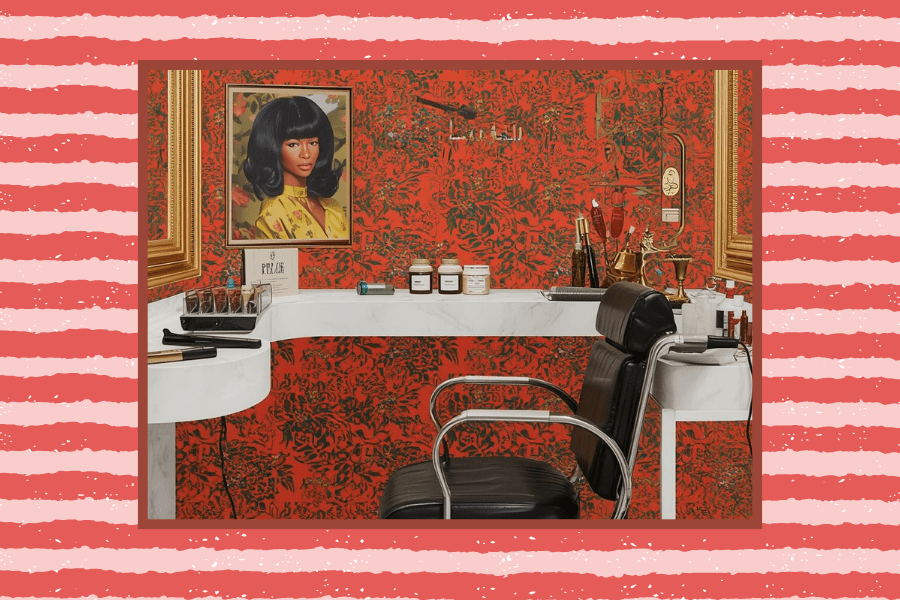
Spa retreats and regular appointments with our hair and nail professionals are godsend to maintaining our grooming and well-being. The scalp, hand, foot and neck massages can be like heaven. For some of us, these things are a necessity while others view them as treats. The rendering of treatments by other people can feel so wonderful.

Our ancestors understood the value of a good bath, taking care of their own hair, and anointing their bodies in homemade creams and oils. It made them feel good. It made them feel better. Hard rubbing vaseline on their faces was both protection from the elements and a way of keeping their skin supple. Some of us had grandmothers and aunties who slathered their bodies with some Jergen’s cherry-almond lotion followed by a dusting of Cashmere Bouquet talcum powder with dabs of Tussy cream deodorant under their arms. And many lathered up at bath time with soap they made themselves until store-bought bar soap was sold more widely.
The most famous Black beauty culturists, Annie Turnbo Malone and Madame C. J. Walker made their names and fortunes on the “toilet preparations” (as in bathroom, boudoir and overall hygiene preparations) women created and purchased to use in their homes. They built their businesses recruiting women to sell their products before opening salons and training stylists.
Early African American magazines and newspapers would occasionally print recipes for lotions and potions for the body and hair. And like food recipes, most contained little to no measurements.
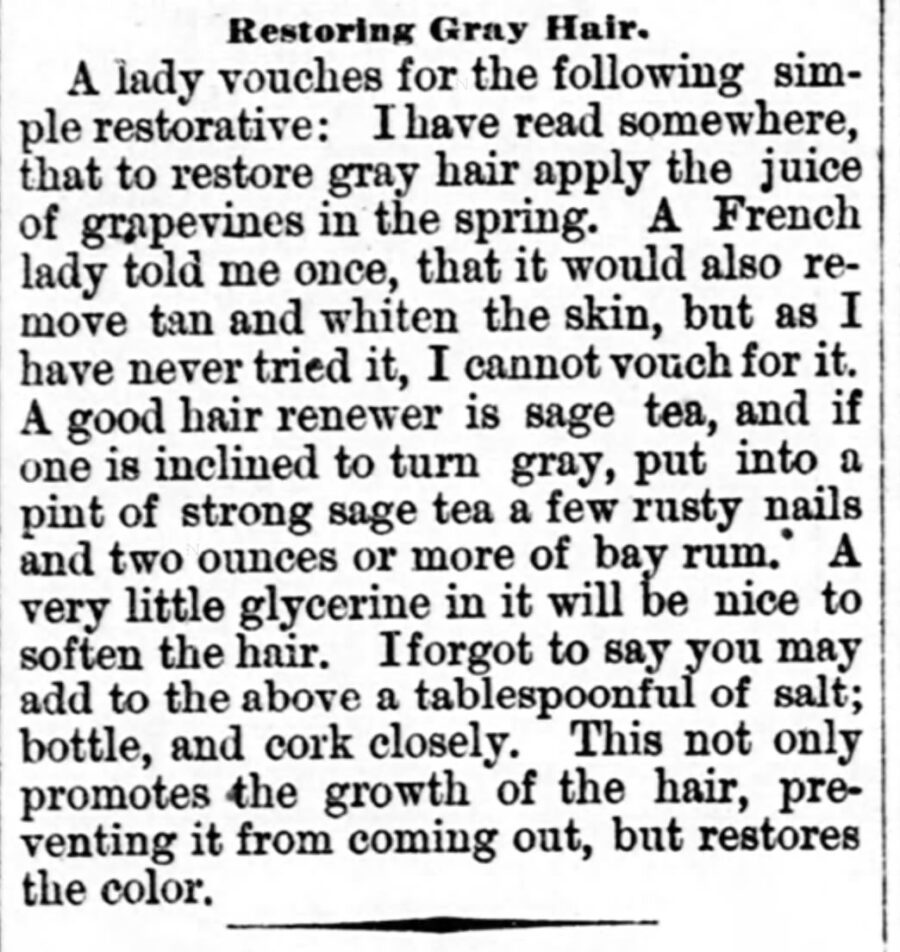
A few ‘toilet preparations’ or the home beauty treatments our grannies and foremothers practiced
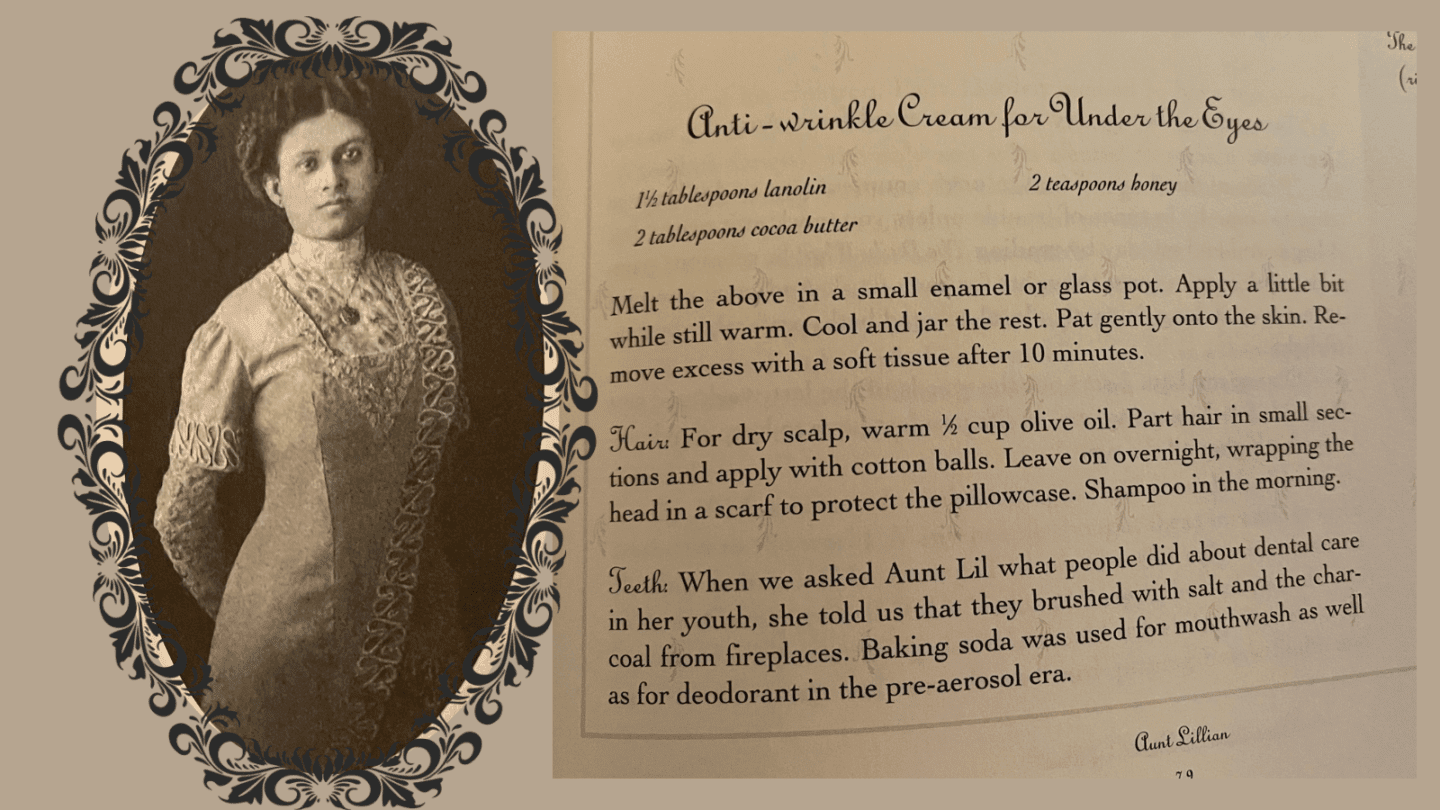
In their cookbook “Spoonbread and Strawberry Wine” sisters Norma Jean and Carole Darden devote a chapter to their Aunt Lillian Allen Darden, who was from Nashville, Tennessee. Aunt Lil wasn’t much on cooking food, but she continued to make beauty products in her kitchen well into her late 80s. The recipes the sisters collected from her were recipes for skincare. (Buy the book to see the rest of her recipes.) Like these:
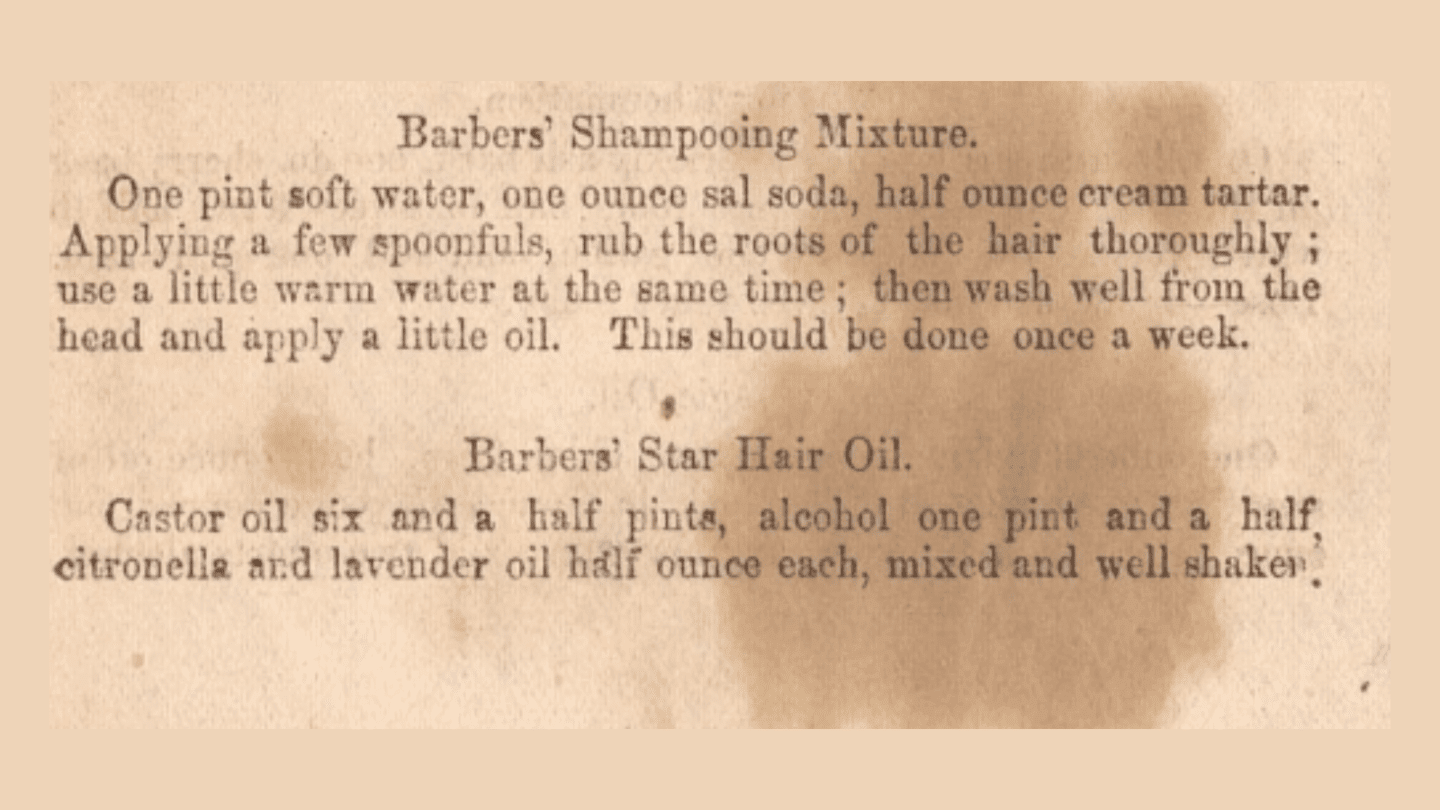
The first known cookbook by an African American woman, Malinda Russell, “Domestic Cook Book: Containing a Careful Selection of Useful Receipts for the Kitchen” contains quite a few homemade beauty and wellness recipes.
Fast forward to another great success in the beauty industry, Lisa Price, developed Carol’s Daughter in her kitchen, based on recipes and “inspired by beauty rituals passed down through generations.” If we latch onto the part of her story that is the most inspiring and meaningful, it is the part of rituals passed down from one woman to the next to the next to her.
Perhaps, we can all think of our mothers and foremothers’ beauty and wellness rituals as something worth preserving and practicing.



Robin Caldwell is the blogger behind freshandfriedhard.com and academic researcher focusing on Black history, heritage and culture. Public historian primarily in Black American historical foodways: antebellum and regional.
