











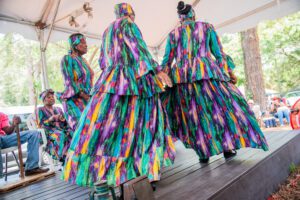



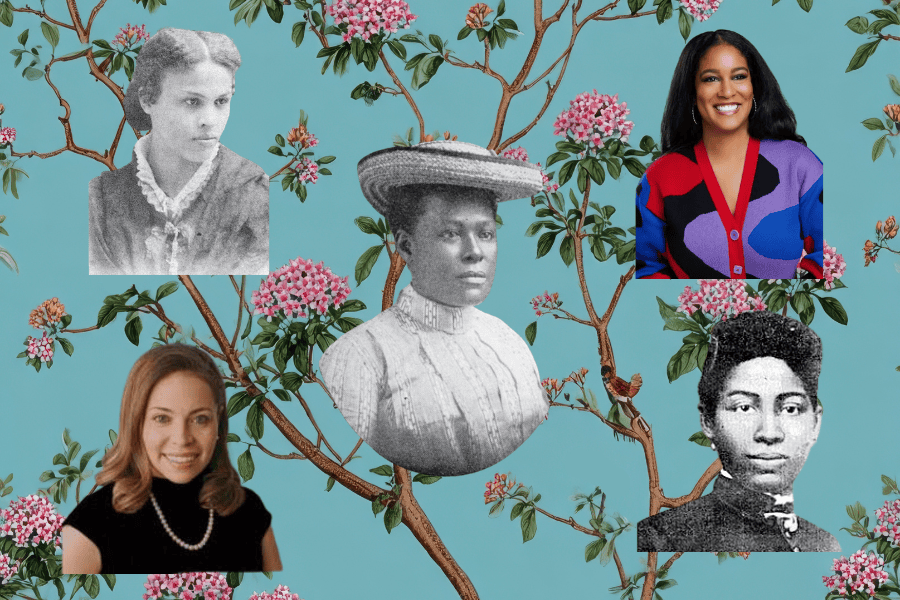
The Reconstruction era in the United States was a time of profound change and challenge. In the aftermath of the Civil War, African Americans began to carve out new identities and claim their rights as citizens. Among the trailblazers of this era were remarkable African American women who defied societal norms to make lasting impacts. These women, whom we can call the ” The Originators,” laid the groundwork for future generations. Today, the legacy of these pioneering women continues through the work of modern-day “Present Daughters.”
The Daughters of Reconstruction: Bridging the Past and Present
The Originators
Lucy Craft Laney
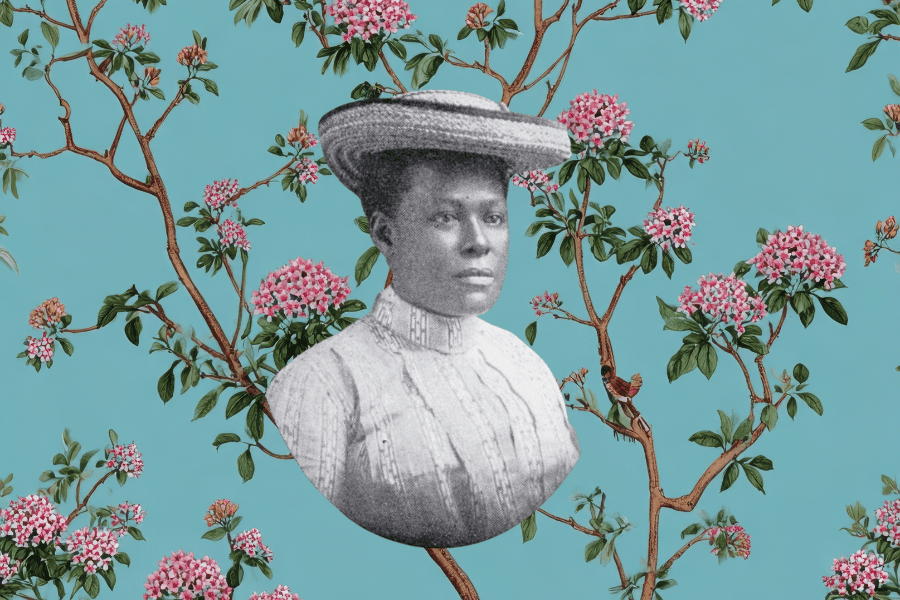
Lucy Craft Laney was a trailblazing African American educator born on April 13, 1854, in Macon, Georgia. Despite the constraints of her era, Laney’s parents, Louisa and David Laney, were free people of color, which afforded her the opportunity to pursue education avidly. By the age of four, she was already reading, and by twelve, she was translating Latin, showcasing her intellectual prowess. In 1873, she graduated as part of the first class from Atlanta University, now known as Clark Atlanta University. Before establishing her legacy in Augusta, Laney taught in several Georgia cities, including Macon, Milledgeville, and Savannah, where she refined her educational philosophy and commitment to community upliftment.
In 1883, Lucy Craft Laney founded the Haines Normal and Industrial Institute in Augusta, marking a significant milestone in educational opportunities for Black children in the area. As the first such school, it quickly became a beacon of learning and advancement. Laney’s innovations included establishing Augusta’s first kindergarten for Black children and founding the Lamar School of Nursing to create pathways for African American women in healthcare. Her leadership propelled the Haines Institute to prominence, growing it to an enrollment of over 900 students and preparing graduates for prestigious institutions like Yale and Fisk University. Laney’s dedication to vocational training, liberal arts, and civil rights laid the groundwork for transformative educational progress and empowerment within the Black community.

Lucy Craft Laney’s contributions extended beyond education into civil rights activism. In 1918, she co-founded the Augusta branch of the NAACP, advocating fiercely for women’s voting rights and interracial cooperation. Her legacy was further immortalized in 1974 when she became the first African American woman to have her portrait hung in the Georgia State Capitol, a testament to her enduring impact. Today, her influence continues through the Lucy Craft Laney Comprehensive High School and the Lucy Craft Laney Museum of Black History in Augusta, serving as reminders of her tireless dedication to justice, equality, and educational empowerment.
Sarah Loguen Fraser
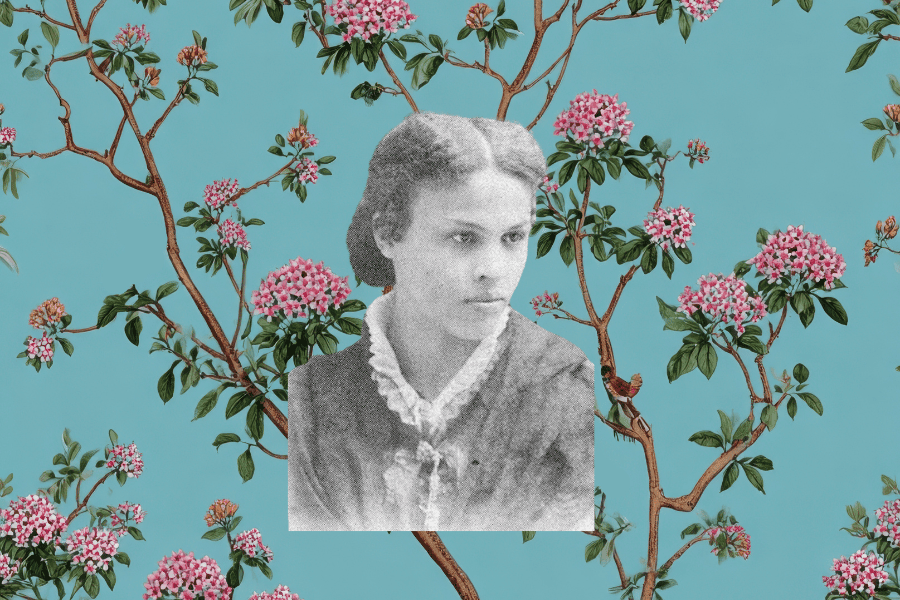
Sarah Loguen Fraser, born Marinda Sarah Loguen in 1850 in Syracuse, NY, was one of the first African American women to earn a medical degree in the United States. Her parents, Caroline Storum and the Reverend Jermain Wesley Loguen, were dedicated abolitionists, and their home served as a safe haven on the Underground Railroad, sheltering nearly 1,500 escaped slaves en route to Canada. Dr. Loguen Fraser graduated from Syracuse University College of Medicine in 1876, becoming the fourth Black woman in the U.S. to achieve this milestone.
Her medical practice focused primarily on pediatric and obstetric care, not only due to her personal interests but also due to the limitations placed on women physicians at the time. She later moved to the Dominican Republic with her husband, Dr. Charles Fraser, where she ran a free clinic funded by her husband’s successful business. After his death in 1894, she lived in Washington D.C., France, and briefly returned to Syracuse.
Educated during the hopeful period following the end of slavery, Dr. Loguen Fraser faced financial and professional challenges as the egalitarian movement waned under Jim Crow racism. Nonetheless, she persevered in her medical practice and was honored by Howard University on the 50th anniversary of her medical school graduation. She passed away in 1933 from kidney disease at her daughter’s home.
In recognition of her legacy, SUNY Upstate has named a street, Sarah Loguen Place, and the Dr. Sarah Loguen Center in her honor. A scholarship and annual lecture were introduced in 2000 to commemorate her 150th birthday. Her career was marked by dedication to improving medical care for women and children, and she served as an inspiration for countless African American women pursuing careers in medicine.
The Rollin Sisters
The Rollin Sisters—Frances, Charlotte, Kate, Louise, and Florence—were formidable figures during Reconstruction. They were champions of civil rights and women’s suffrage. In South Carolina, they used their social connections and political savvy to influence legislation and advocate for racial equality. Their activism laid a foundation for the civil rights advancements that followed in the 20th century.
A notable legal milestone was achieved by the eldest sister, Frances Anne Rollin, who sued a steamboat captain in 1867 for refusing her a first-class ticket, winning one of the earliest civil rights lawsuits. She also authored the first biography of Martin Delany. Charlotte “Lottie” Rollin made her mark in political influence by forming a South Carolina chapter of the American Woman Suffrage Association and becoming the first Black woman to address the state legislature.
The “Rollin Salon” was another significant aspect of their legacy, as their home in Columbia hosted prominent Black and White Republican politicians, serving as a hub for political strategy and lobbying. Furthermore, several of the sisters taught at freedmen’s schools to help educate formerly enslaved individuals, contributing to the advancement of education for African Americans during that era.
Elizabeth Evelyn Wright
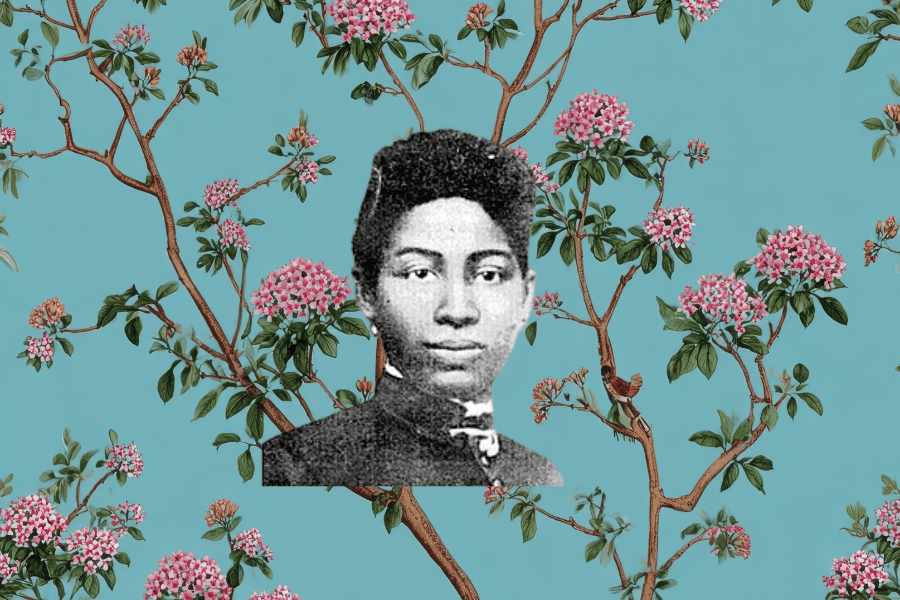
Elizabeth Evelyn Wright, born in Talbotton, Georgia, on April 3, 1872, overcame poverty to pursue education as a means of uplifting herself and her community. At 16, she enrolled at the Tuskegee Institute in Alabama, where she worked as a domestic servant to support her studies. This experience shaped her educational philosophy under the influence of Booker T. Washington, inspiring her commitment to teaching and community development.
Wright faced numerous challenges in her quest to establish an educational institution, including resistance, arson attacks, and threats in Denmark, South Carolina. Despite these adversities, her determination never faltered, driven by the belief that education was crucial for empowering African American youth in the rural South. On April 14, 1897, at just 25 years old, she founded the Denmark Industrial School with 14 students in a rented grocery store, focusing on vocational training and academic education.
The school evolved into Voorhees University, a significant milestone in Wright’s legacy, following a partnership in 1902 with philanthropist Ralph Voorhees. Although Elizabeth Evelyn Wright passed away prematurely on December 14, 1906, her enduring impact continues through Voorhees University, a fully accredited HBCU. Her life’s work laid a foundation for educational empowerment and inspired future generations to pursue positive change.
Legacy Continues
LaDonna Boyd
R.H. Boyd
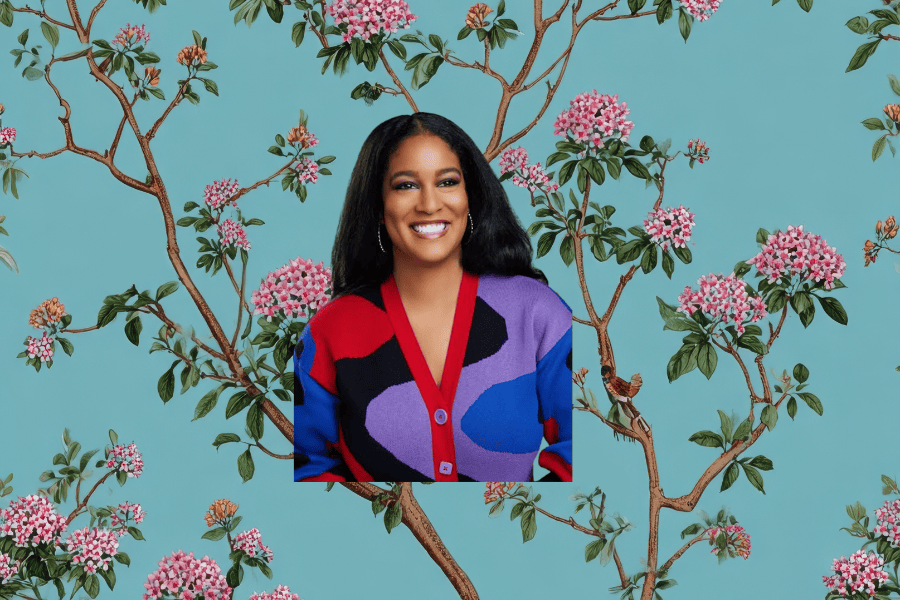
Dr. LaDonna Boyd is not your typical CEO. As the fifth-generation president and CEO of the R.H. Boyd Family of Companies in Nashville, Tennessee, she carries the torch of her ancestors with vigor and innovation. A powerhouse of creativity, Dr. Boyd is transforming the publishing industry while championing social causes close to her heart. Under her leadership, the company continues its legacy of providing educational and religious materials that reflect African American perspectives, ensuring that the stories and voices of these communities are amplified and preserved.
An advocate for economic empowerment, Dr. Boyd is dedicated to creating opportunities for underserved communities, elevating educational access, and driving forward wellness initiatives. Her academic, professional, and personal pursuits reflect her vision for a life well-lived. She earned her bachelor’s in economics with a minor in French from Spelman College, an MBA with a finance concentration from Tennessee State University, and a Doctorate in Education focused on organizational leadership from Pepperdine University. She further honed her skills with two certificates from Harvard University’s Extension School in Digital Marketing Strategy and Artificial Intelligence in Business.
Dr. Boyd’s influence extends far beyond the office. She plays pivotal roles on several boards, including the newly elected Chairman of the Holding Company for Citizens Savings Bank and Trust, and as a member of the boards of the National Museum of African American Music and the Nashville Ballet. A founding member of the National Museum of African American History and Culture, she collaborates closely with the curatorial team on the Boyd family exhibitions. Her past roles include serving on the Metro Davidson County Historic Zoning Commission and the Economic and Finance advisory board for the College of Business at Tennessee State University.
Her community accolades are as diverse as they are numerous. Recognized as one of Nashville’s Top 30 Under 30 and in the Nashville Business Journal’s Top 40 Under 40, Dr. Boyd has participated in Leadership Nashville, earned a Distinguished Alumni Award from Lipscomb Academy, and was inducted into the Gospel Music Association Hall of Fame. Her achievements include the Madame C. J. Walker Award and two resolutions from Davidson County, Tennessee. An active member of Alpha Kappa Alpha Sorority, Incorporated, she also earned two certificates in French perfumery from the Grasse Institute of Perfumery in France, blending unique fragrance creations as a personal touch to her multifaceted life.
Outside the professional sphere, Dr. Boyd’s passions include hiking, practicing yoga, and indulging in fashion and luxury travel. Her favorite pastime is spending quality time with her fiancé and their two dogs.
Dr. Boyd believes in the power of storytelling: “I stand before you as the proud leader of an organization that has lent its voice to positively uplifting the narrative of Black people. There is no greater time than the present to become a storyteller and shape the narrative of this experience. Through R.H. Boyd, we have a multitude of resources that showcase the beauty and diversity of the Black voice.” She emphasizes the responsibility and opportunity her company holds: “As a publishing company, we are storytellers. We have the ability to shape the minds and experiences of the masses. As a Christian company, we have the significant responsibility and opportunity to draw people into the Kingdom through the written word.”
Amanda Washington Lockett
Booker T Washiongton
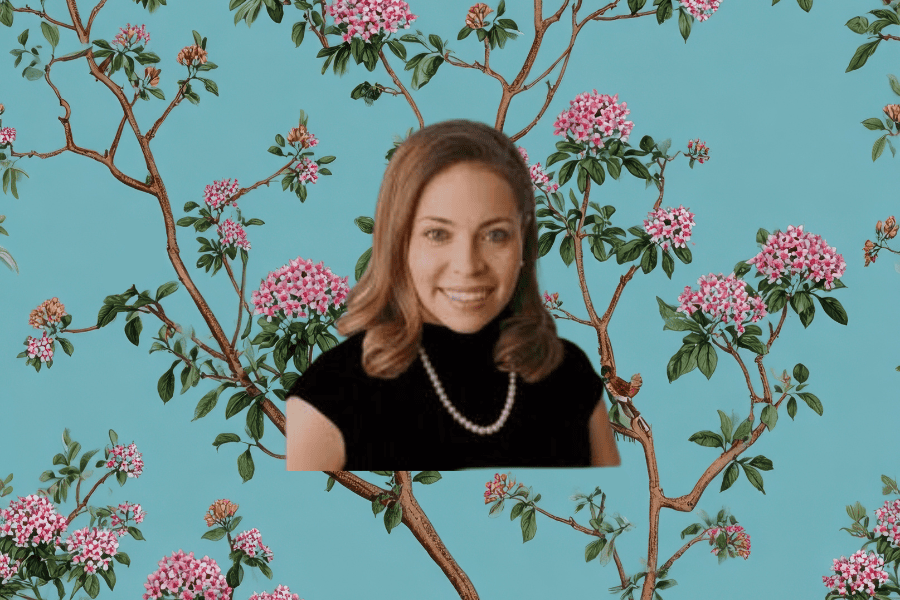
Amanda Washington Lockett, PhD, champions social justice and education, focusing on equity and innovation in the American educational system. As Booker T. Washington’s great-great-granddaughter and a Spelman alumna, she advocates for transformative solutions in higher education, especially at HBCUs. With over a decade of experience, she empowers young African Americans through strategic initiatives.
Dr. Washington Lockett has advised Minority Serving Institutions’ presidents and worked with the Institute for Capacity Building at UNCF, improving HBCUs’ sustainability. She also has executive search experience from True Search.
Holding a PhD in Higher Education from the University of Pennsylvania, her research focuses on Presidential Retention and Organizational Leadership. She earned her Master’s degrees from Columbia University and American University, and a Bachelor’s from Spelman College. Her work includes chapters in books, journals, and reports for the U.S. Department of Education.
She teaches at Indiana University’s Graduate School of Education and Lilly Family School of Philanthropy, with a career spanning primary to post-secondary education. Dr. Washington Lockett has collaborated with the University of Pennsylvania, New York State Department of Education, and White House HBCU initiatives.
As President of the Booker T. Washington Family Association, she continues her legacy by fostering opportunities. She lives in Indianapolis, Indiana, with her husband and three children, addressing contemporary challenges while honoring the Original Daughters’ legacy.
Helen Boulware Moore
Congressman Robert Smalls
Helen Boulware Moore, a descendant of Congressman Robert Smalls, has dedicated her life to preserving African American history and culture. Robert Smalls, a former enslaved person who became a prominent politician, played a significant role during the Reconstruction era. He famously commandeered a Confederate ship, the Planter, to freedom and later served five terms in the U.S. House of Representatives. Smalls was instrumental in advocating for African American rights, including education and land ownership, and worked tirelessly to improve the lives of freed slaves. Through her work with museums and cultural institutions, Moore ensures that the contributions of African Americans like Smalls are recognized and celebrated. Her efforts help bridge the past and present, connecting the sacrifices of early pioneers with today’s achievements.
Nettie Washington Douglass
Frederick Douglass and Booker T. Washington
Nettie Washington Douglass, born at the historic Tuskegee Institute in Tuskegee, Alabama, holds the unique distinction of uniting the bloodlines of Booker T. Washington and Frederick Douglass. As the granddaughter of Booker T. Washington and the great-granddaughter of Frederick Douglass, she embodies the spirit of her illustrious ancestors. From a young age, Ms. Douglass has represented her famous forebears at numerous special events, including presenting a Booker T. Washington Commemorative Half Dollar to Joe DiMaggio and speaking at the New York State Sesquicentennial Celebration. She also played a pivotal role in fundraising efforts for the Frederick Douglass High School Marching Band, enabling them to perform in Bermuda’s Day Parade, a cherished memory for her.
Ms. Douglass tirelessly advocates for education and civil rights, working to keep the legacies of her great-grandfathers alive and relevant in today’s world. Her dedication is further reflected in her role as the national spokesperson for the “African-American Heritage Check Series,” successfully introduced to major financial institutions. She has been honored with a “key to the city” of Memphis and a citation from Washington, DC’s mayor for her efforts.
Her greatest honor, however, was having one of her speeches published alongside the most noted speeches of her ancestors in “Vital Issues – The Journal of African American Speeches.” Ms. Douglass has also served as a volunteer for the United Negro College Fund and on the Board of Directors for the Friends of Frederick Douglass Museum and the Frederick Douglass Family Initiatives.
Beyond her public achievements, she considers raising her family, including her children Kenneth B. Morris, Jr., Nettie Douglass Morris, and Douglass Washington Morris, as the most rewarding part of her life.
Conclusion
The Daughters of Reconstruction remind us of the enduring power of resilience and determination. The Original Daughters broke barriers and paved the way for future generations, while the Present Daughters continue to build on that foundation. Together, they form an unbroken chain of courage and conviction, inspiring us to continue the pursuit of justice and equality for all.