










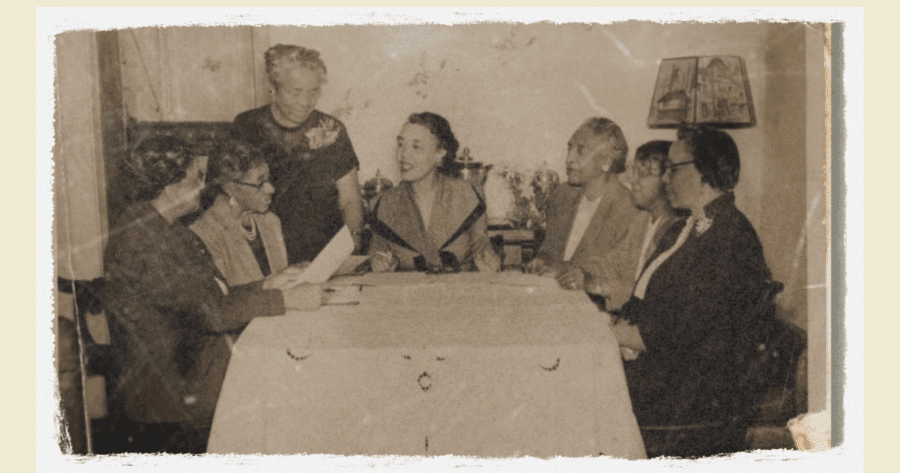
The Civil Rights Era was a pivotal time in American history, marked by significant social and political changes. Throughout the South, Black women were hosting events in their homes or in other spaces to fund-raise for the movement or introduce movement leaders to their social circles. Many Black socialites from domestics to political wives to church first ladies to club women stood out for their exceptional hospitality and contributions to their community.
Hospitality is considered a spiritual gift, one that requires a sense of duty and stewardship over the care and welfare of others. The women listed below embodied that gift. Let’s celebrate these 10 powerful figures.
South Carolina
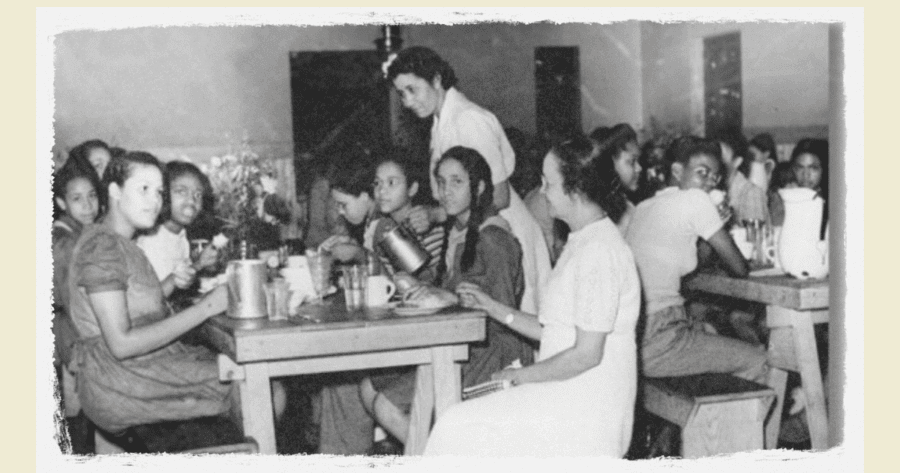
Septima Poinsette Clark (1898-1987) was born in Charleston, South Carolina and spent much of her time between Charleston and John’s Island. Her activism was spurred by a spotty education based on segregation. Clark spent the better part of her life committed to fighting for Black educators and voting rights. Her workshops were focused on adult literacy and citizenship courses that taught poor sharecroppers and others how to read and register for rights such as driving and applying for credit. Clark was the first woman to gain a position on the SCLC board after being attributed to well over 700,000 voter registrations in SC.
Modjeska Monteith Simkins (1899 -1992) was born in Columbia, S.C., and Septima Clark’s former co-teacher at Booker T. Washington school in the city. A public health activist, Simkins raised money and awareness about poor health care and conditions experienced by rural and urban Blacks. Her activism was extended to the NAACP in SC, where she served as State Secretary. Simkins fought for the rights of Black teachers and school desegregation. Her house is listed on the National Register of Historic Places, because “The house was the residence, private office of Modjeska Simkins, and guest accommodations for visiting civil rights workers.”
Louisiana
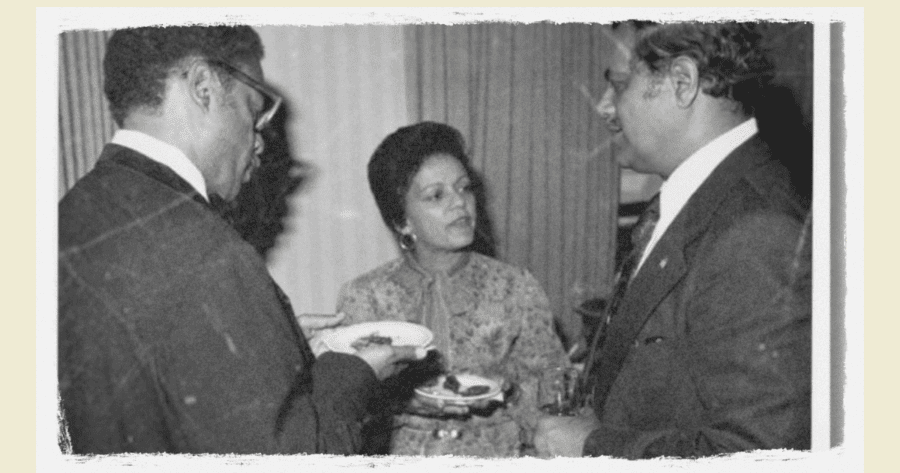
Sybil Haydel Morial (1932-2024) was a civil rights activist and educator. She was married to Ernest Morial, the first Black mayor of New Orleans and was the mother of Marc Morial, who served as Mayor of New Orleans from 1994 to 2002, and who is currently the president of the National Urban League. Mrs. Morial’s home was often the center of political activity, and a rest stop for people like her friend Martin Luther King, Jr., and visiting activists.
Oretha Castle Haley (1939-1987) challenged the segregation of facilities and promoted voter registration. Her home in Orleans Parish was added to the National Register of Historic Places in 2023. As head of the New Orleans chapter of CORE, Oretha Castle’s home served as the New Orleans headquarters for the Freedom Riders, where she, her mother Virgie and sister Doris housed and fed Freedom Riders.
Source: National Portrait Gallery, Smithsonian
Mississippi
Ruby Stutts Lyells (1908-1994) was the first African-American professional librarian in Mississippi.
She was also a leader of women’s organizations like Alpha Kappa Alpha Sorority, the Mississippi State Federation of Colored Women’s Clubs and the Mississippi State Council of Human Rights who championed civil rights. Considered an incredible orator, she delivered the commencement address at Leontyne Price’s graduation ceremony in 1944.
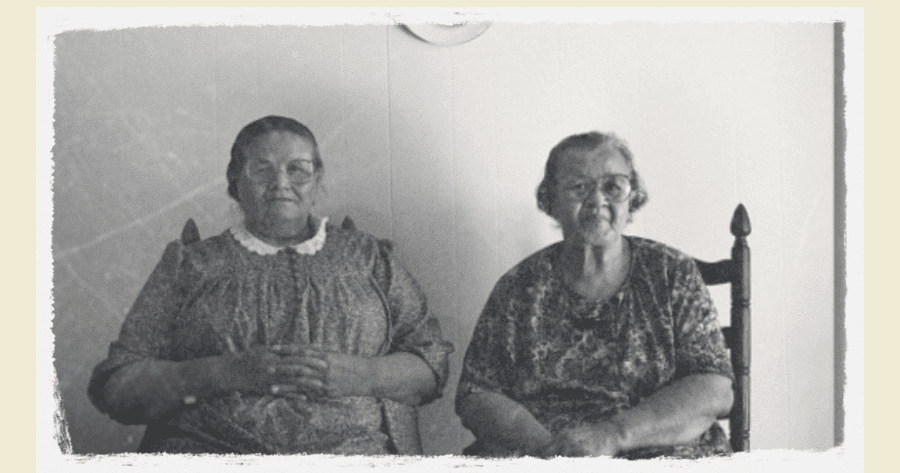
Winson (b. Anger Winson Gates 1916-2004) and Dovie Hudson (b. Dovie Gates 1914-1994) were two sisters who served as rural civil rights activists in Mississippi. They championed Black voter rights, education, health care, and food justice right in their living rooms. They also housed Freedom Riders and visiting activists. They were co-founders of the Leake County NAACP and friends of Medgar Evers.
Alabama
Juanita Abernathy (1931-2019) was an American civil rights activist. As the wife of minister and civil rights activist Ralph Abernathy, Mrs. Abernathy was hosting meetings in their home in Montgomery, including plenary sessions for the Montgomery Bus Boycott before moving to Atlanta. Abernathy was considered a formidable cook and one of MLK, Jr.’s favorites. Her activism, however, was incredibly extensive and included sitting on the boards of Atlanta Fulton County League of Women Voters and the Metropolitan Atlanta Rapid Transit Authority.
Ruby Ruffin Hurley (1909-1980) was born in Washington, D.C. but performed civil and human rights service in the state of Alabama during the civil rights era. Many women included in this list of hostesses were connected to Ruby Hurley as she moved to Birmingham, Alabama in 1951, setting up an NAACP office, overseeing membership drives in Tennessee, Mississippi, Alabama, Georgia, and Florida.
Source: Whitney Todd, “Murray Atkins Walls (1899-1993),” ExploreKYHistory
Kentucky
Mae Jones Street Kidd (1904-1999) was the owner of a profitable insurance business and a politician in Kentucky who made significant strides in housing equality and civil rights.As a member of the Kentucky House of Representatives (Louisville), she played a vital role in passing Kentucky’s Fair Housing Act in 1968, which was crucial for anti-discrimination efforts in housing.She used her home as a meeting place for civil rights discussions and planning.
Murray Atkins Walls (1899-1993) was born in Indiana but marriage brought her to Louisville, KY to work as a high school teacher, and begin a lifetime of activism. She fought to desegregate Louisville’s library system, schools, and the Girl Scouts. She was the president of the local NAACP, where she joined forces with members of the community to defend human and civil rights, and fight for fair housing.
Some of the featured women are relatively unknown to those of us accustomed to hearing more famous names, but they were influential in their own right, often serving quietly. Some like Dovie Hudson and Juanita Abernathy belonged to a sisterhood of women who had their homes bombed. Not all possessed college degrees or were considered social elites, but all served using their homes as hubs and safe houses in the name of service.



Robin Caldwell is the blogger behind freshandfriedhard.com and academic researcher focusing on Black history, heritage and culture. Public historian primarily in Black American historical foodways: antebellum and regional.
