
















When was the last time someone gave you the gift of food? Maybe it was a friend who picked up the tab at lunch. It could have been a neighbor who dropped off some cookies or a cake (or homemade bread) for no apparent reason other than to be neighborly. Perhaps a co-worker brought you some homegrown produce from her garden. Or there was that one time you forgot to give your child lunch money, and another mom took up the slack and paid on your behalf. Most of us have at least one memory of receiving food as a gift.
Receiving the gift of food is never taken lightly. Receiving food as a gift is generally how we learn to give the gift of food. Someone else’s generosity becomes a blueprint our giving.
Truth told, giving food as a gift is in the DNA of most Black women. We had grandmothers and relatives who grew up during the Great Depression or they migrated up north to build a better life, and the gift of food was essential to their own survival as well as the survival of their kin, and their community. It came in so many forms from individuals to organizations and institutions. Some of us had grannies who sent plates over to a widow or widower on the block. They caught a sale on something at the grocery store and bought extra for a relative or neighbor. It’s highly likely they gave the ultimate gift of food in the form of something for a newly bereaved family or they contributed to a repast. [Read: Understanding Black Southern Funeral Food Tradition]
A modern example of our grannies blueprint for giving food as a gift is Champale Anderson in St. Louis. Daily, the mother of six makes 100 peanut butter and jelly sandwiches for kids in her neighborhood. She fills brown paper bags with sandwiches, fruit, cookies, and juice. According to a local news source, Champale keeps a sign on her door that reads “Free snacks anytime. Donations welcome.” When she was asked why she does it, she answered that she had a bad childhood, and doesn’t want to see a child go hungry. Follow Champale Greene-Anderson on Instagram @champale_anderson and you’re inclined to donate, she keeps a Go Fund Me link on her profile as well as her CashApp info.
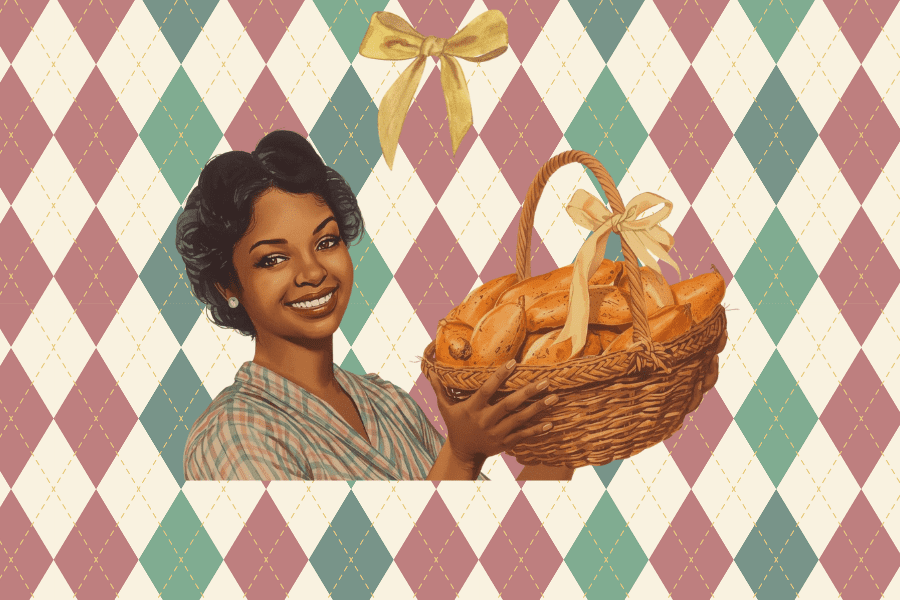
There’s Rose McGee in Minneapolis who gives away her sweet potato pies to families who experience tragedy. Her Sweet Potato Comfort Pie Project is a creative food endeavor. She says, “Sweet potato pie is the ‘sacred dessert’ of Black people, and it has power. Not only does it give us energy, this pie links us to history, it soothes our spirits and renews us for the much-needed work.” And she hosts group bakes for the young and the elders in her community to pass on the tradition and the sweetness. Follow Sweet Potato Comfort Pie on Instagram @sweetpotatocomfort and if inclined, donate.
In Anderson, SC, there’s Patricia “Meme” Jackson who had a double mastectomy but returned to passing out meals to the unhoused two days later. She and her husband Marcus have been giving the gift of food (and more) to Anderson’s unhoused and food insecure for years. She raises money by hosting garage sales and taking donations (in-kind and cash). She has community partners who supply food. Ms. Patricia isn’t a heavy IG user, but here’s a link to her Facebook profile and to an article about her good works.

Patricia, Rose and Champale provide three different examples of giving the gift of food. There are other ways too. A gift of food can look like help or it could look like “just because.”
In the days and weeks to come, we will be introducing you to more women like Champale, Rose and Patricia, and offer suggestions as to how you can give the gift of food that meets your current capacity.
We will also present some stories about how Black women have historically gifted food in ways that can be repurposed now.
In the meantime, share some of the ways that you’ve gifted food or have received it.



Robin Caldwell is the blogger behind freshandfriedhard.com and academic researcher focusing on Black history, heritage and culture. Public historian primarily in Black American historical foodways: antebellum and regional.
