








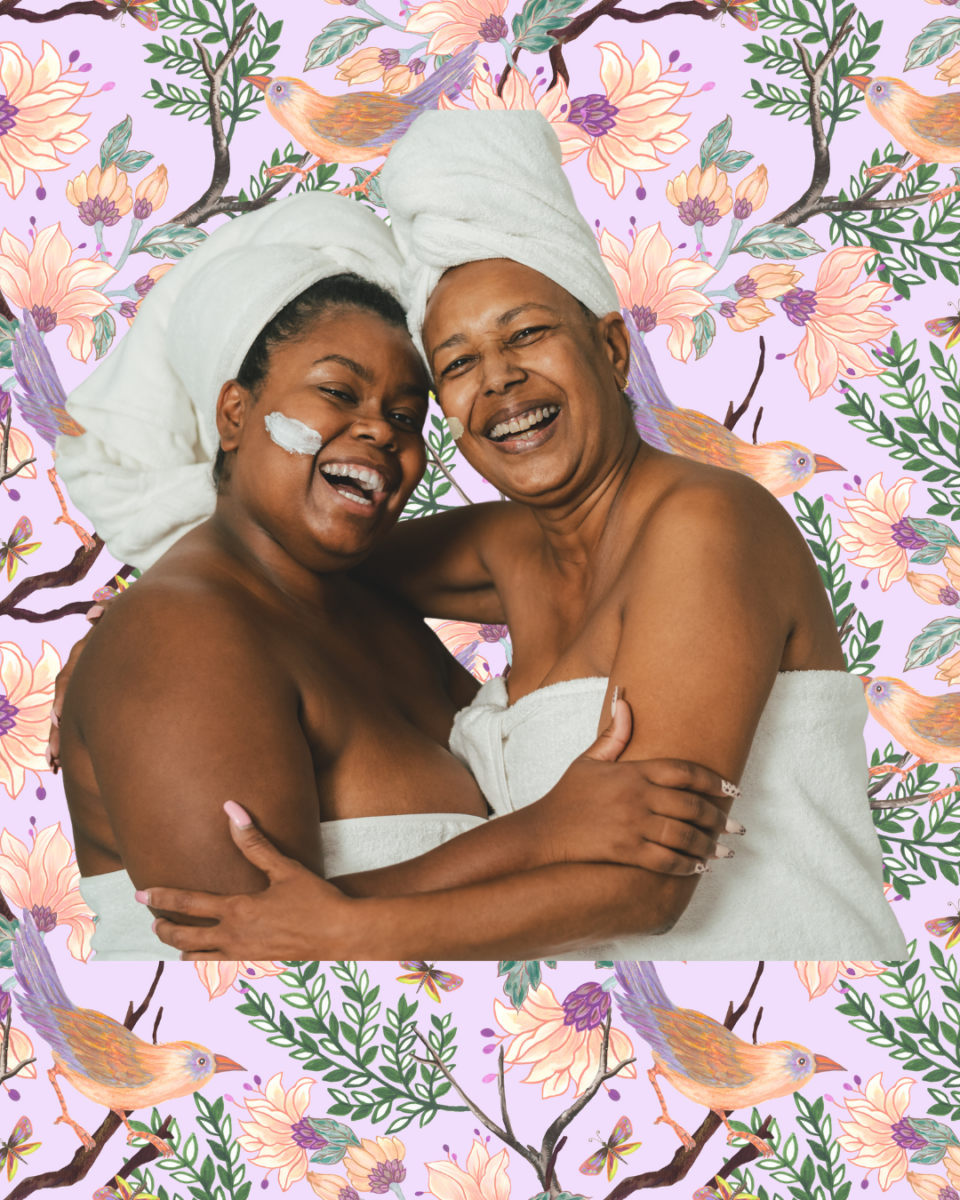
Why protecting your skin’s natural defenses matters as we age
Black don’t crack… but should we be concerned about the health of our skin barrier?
Absolutely!
While our beautiful, melanin-rich skin may have some natural advantages when it comes to visible signs of aging, that doesn’t mean we should overlook the importance of maintaining a healthy skin barrier.

Black Don’t Crack… But What About Our Skin Barrier?
Think back to your 20s, 30s, and even your early 40s. You may have been able to get away with excessive exfoliation, skipping moisturizer, or experimenting with harsh skincare ingredients.

And somehow, your skin bounced right back.
But as we age, those same habits can begin doing more harm than good.
What Exactly Is Your Skin Barrier?
According to the Cleveland Clinic, your skin barrier is the outermost protective layer of your skin, composed of skin cells, proteins, and natural fats called lipids.
Think of it as your complexion’s first line of defense. It helps keep moisture in while protecting your skin from environmental irritants and other external stressors.
When your skin barrier becomes compromised, moisture can escape more easily, leaving your complexion vulnerable to dryness, irritation, and sensitivity.

Why Barrier Health Matters More as We Age
As we age, changes in our skin can affect its ability to retain moisture and recover from irritation. For women navigating perimenopause and menopause, hormonal changes can introduce additional dryness and sensitivity.
And even if you’ve always had oily skin, like me, you aren’t exempt from these changes.
I grew up using ingredients like benzoyl peroxide, Retin-A, salicylic acid, glycolic acid, and vitamin C. While these ingredients can be incredibly effective, our skin’s ability to recover from irritation can slow as we age. That’s why it’s important to pay closer attention to how frequently we use active ingredients and how our skin responds.

Signs Your Skin Barrier May Be Compromised
Sometimes the signs are obvious. Other times, they’re subtle.
- Skincare products suddenly sting or burn.
- Your skin feels tight or unusually dry.
- You experience increased redness, itching, or sensitivity.
- Your complexion appears dull, flaky, or rough.
- Products you once tolerated suddenly cause irritation.
For women with deeper skin tones, irritation and inflammation can also contribute to post-inflammatory hyperpigmentation, leaving behind stubborn dark spots.
Persistent symptoms should be evaluated by a dermatologist, as other skin conditions can cause similar reactions.
Five Ways to Protect Your Skin Barrier
1. Don’t Overdo Exfoliation. Exfoliating can improve skin texture, but excessive exfoliation can compromise your barrier. Be especially cautious if you have sensitive or rosacea-prone skin, and consult your dermatologist about which exfoliating treatments are appropriate.
2. Moisturize Consistently. Even oily skin needs moisture! Look for ingredients like ceramides, glycerin, and hyaluronic acid to support hydration and barrier health.
3. Choose Gentle Cleansers. Avoid harsh cleansers that strip away natural oils. Choose gentle, fragrance-free formulas and wash with lukewarm water.
4. Be Selective With Active Ingredients. Retinoids and exfoliating acids can deliver wonderful results, but overuse can cause irritation. And just because a product tingles doesn’t mean it’s working!
5. Never Skip Sunscreen. Melanin provides some natural UV protection, but sunscreen is still essential. Use broad-spectrum SPF 30 or higher daily. For hyperpigmentation, consider a tinted sunscreen containing iron oxides.
Sometimes Less Really Is More
With so many new skincare products and trends, it’s easy to believe that beautiful skin requires an elaborate routine.
But as we get older, it’s important to become more intentional about what we use and how our skin responds.
I’ve learned that beautiful skin isn’t always about correcting imperfections or finding the strongest treatments. Sometimes it’s about giving our skin the protection and care it needs.
Because while Black may not crack quite as easily, our skin still deserves the attention necessary to keep it healthy and beautiful at every age.