















There are two tangibles that immediately pop into the minds of Black women when someone close loses a loved one: food and flowers. We will be the first to arrive with a tray of fried chicken wings, a bowl of potato salad and a cake to nourish the family and the people who drop by the house to offer condolences. (Read: Understanding Black Southern Funeral Food Tradition) That tangible is a beautiful gesture that enables the bereaved to function as they prepare to memorialize their loved one as well as take the pressure off of hosting as they prepare. And, of course, there was food for a repast.
The second thoughtful tangible involves flowers. Budget allowing, we will send a bouquet to the home of the bereaved and we will make sure there is a floral display delivered to the funeral home. This is especially true, when the bereaved (or their deceased loved one) is a member of a shared church or social organization. Presenting the gift of flowers is a matter of mutual aid, and part of a long tradition held in Black communities.
We know that enslaved Africans were often responsible for the care of floral gardens such as those found in Colonial Williamsburg. We also know that flowers were an important part of southern funeral practices, especially those practices that involved their scent covering the stench of decomposing bodies lying on cooling boards or in caskets in the home. We know from the narratives of the formerly enslaved that they were responsible for every aspect of funeralizing slaveholders, from washing and dressing the body to ‘decorating’ the home with black draping to serving as mourners, which most likely included the cutting of flowers and maintaining their presence until there was a proper burial.
And we know that African Americans valued the use of flora in memorializing the dead as in the way the Black schoolchildren laid wreaths and flowers on the graves of union soldiers martyred during the Civil War. (Read: Decoration Day: The Black Charleston Roots of Memorial Day)

Though it’s been documented that flowers and funerary were present in ancient Egypt as evidenced by the flowers and foliage found in King Tutankhamun’s tomb, what’s not known is the exact date Black florists began specializing in funerary flowers as a business practice. However, thanks to Black newspapers and publications, we can learn quite a bit about the importance of bereavement flora in the community.
It wasn’t unusual to find display ads from a family thanking people for flowers during their bereavement next to display ads for a florist next to an ad placed by a funeral director. There was often a close relationship between families and florists, florists and funeral homes, and florists and churches. It was a form of brand loyalty that moved people to stay at the family church, claim a ‘family’ funeral home, and purchase their floral arrangements – for any occasion – from the ‘family’ florist. Sometimes, a person could walk outside of their church to see a funeral home and floral shop within walking distance.
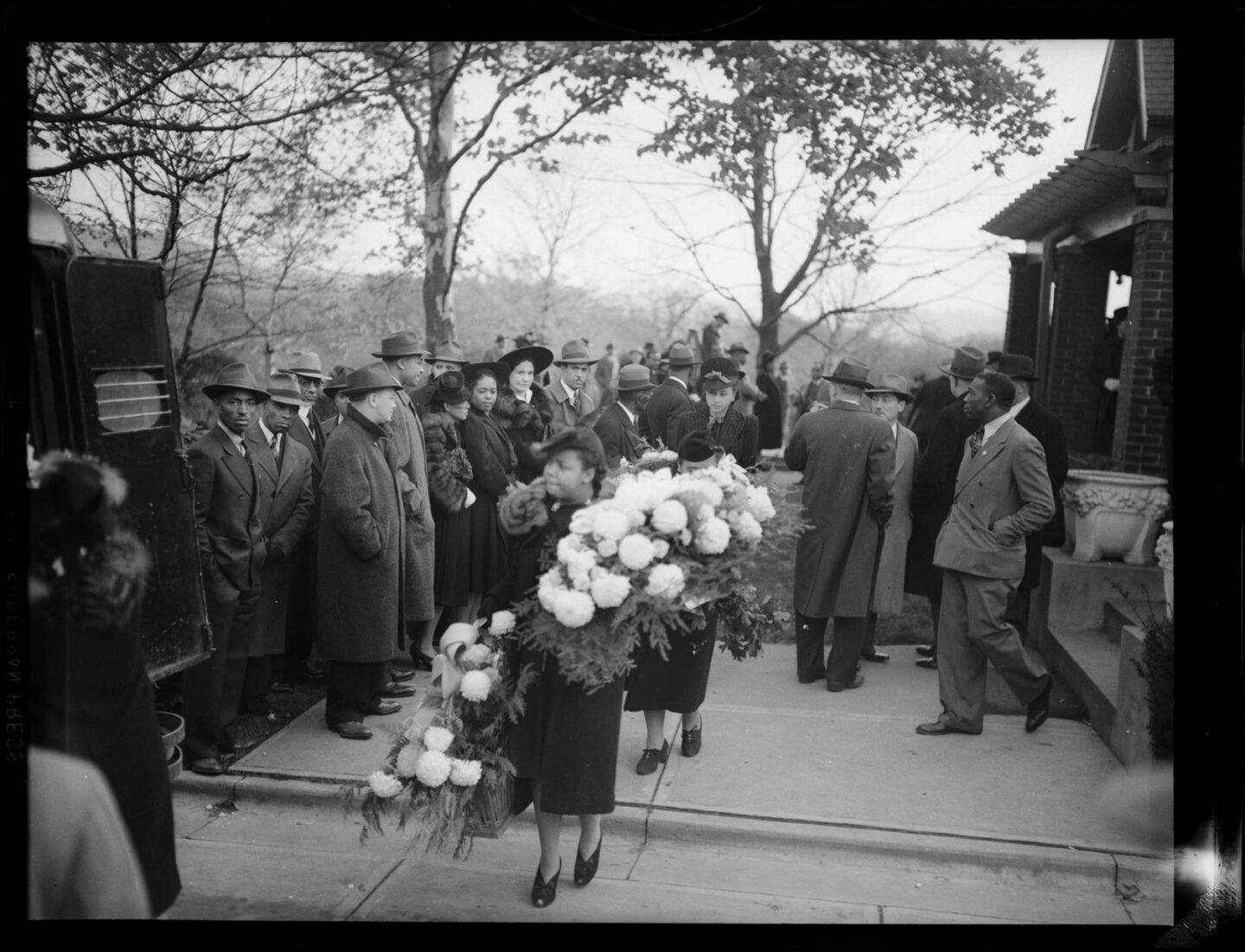
The gift of bereavement flowers is traditional, but there are other ways Black women have demonstrated thoughtfulness using flora. Thoughtfulness is and has been associated with ritual and service. If the deceased was affiliated with a sorority, fraternity or other type of fraternal organization, they will likely be memorialized in a rite of passage. As a function of the tradition, someone may (or may not) be assigned the task of tending to the flowers.
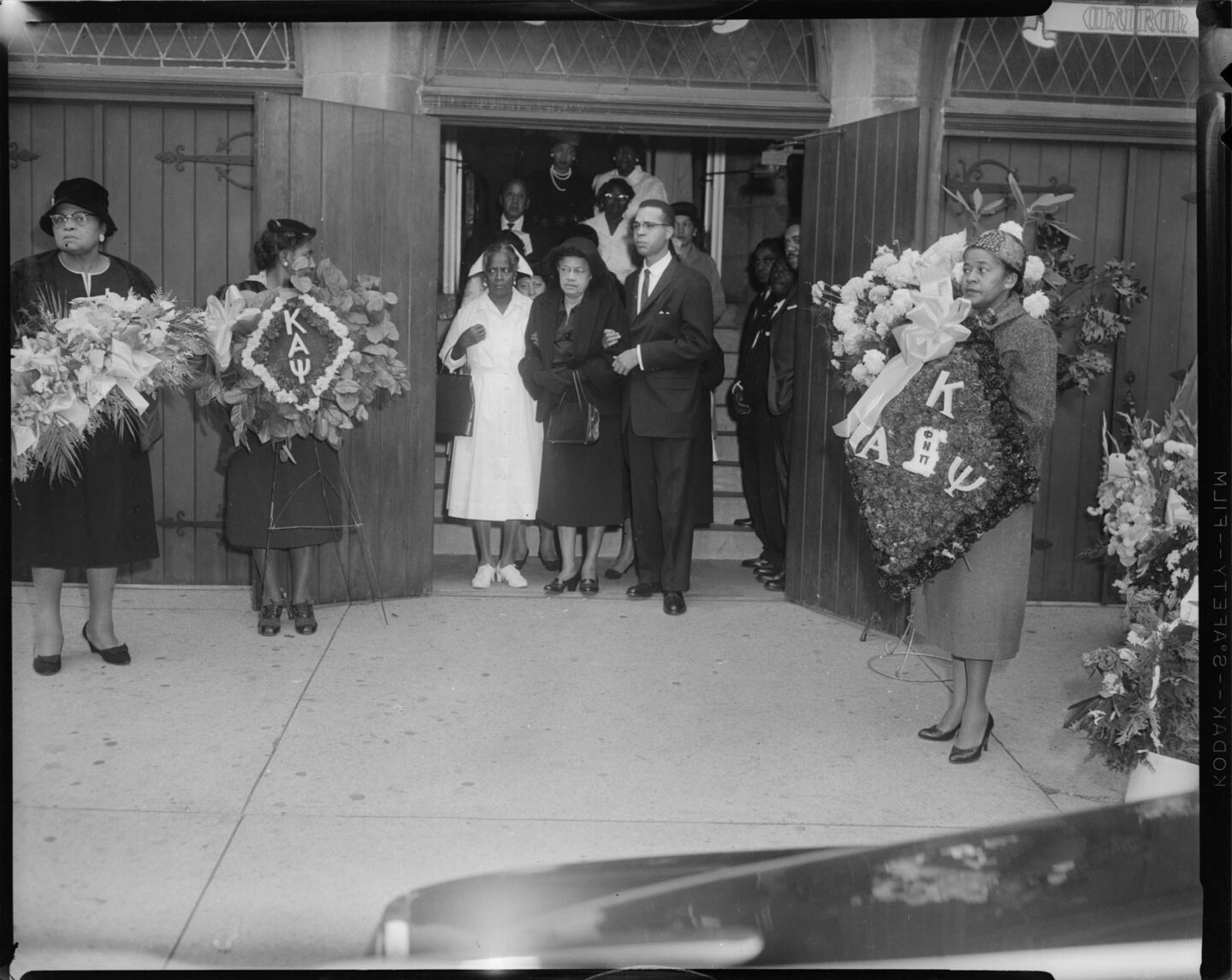
Though it is no longer commonly practiced, for generations, young girls and young adult women were asked to serve as “flower bearers” or “flower girls” at funerals. Deaconesses of the church were often flower-bearers too. They were every bit as important to the funeral program as pallbearers. These young women and adult women brought in the flowers to surround the casket before the ceremony and afterwards they would carry them out to the flower hearse for the graveside service. (The organizers of Zora Neale Hurston’s funeral chose teen girls from the high school Zora served as a substitute. See below.)

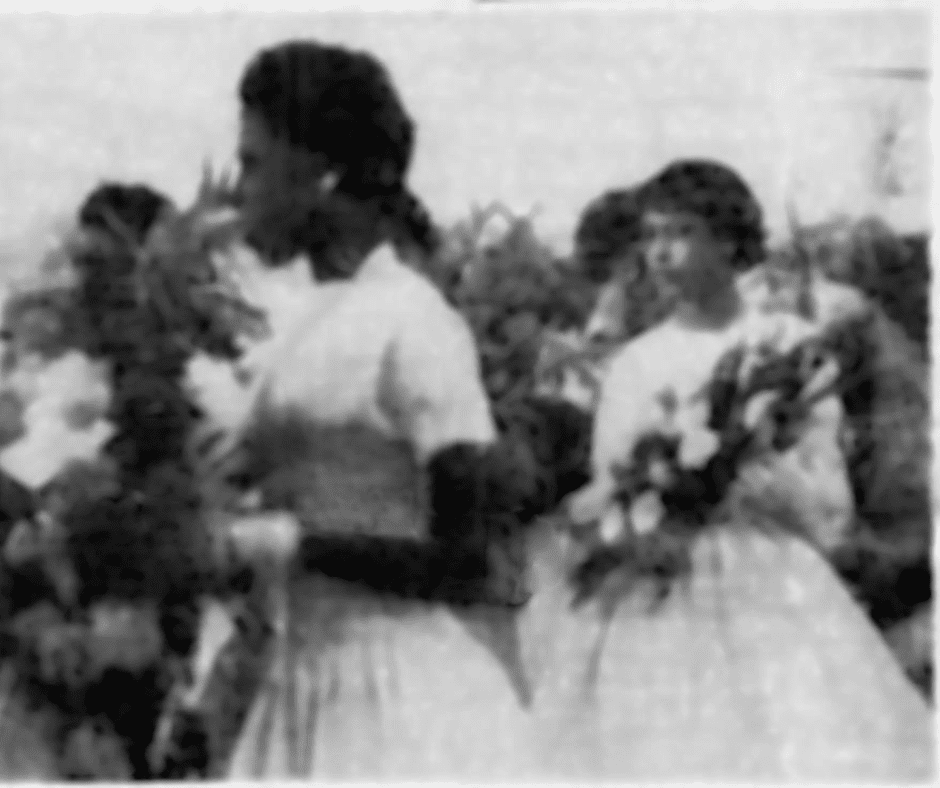
Last but never least, there is another act of funerary flower thoughtfulness. Families of the deceased will often give arrangements away to the people who attend the funeral. As an extension, they will donate flowers to the host church, homes for the aged, and to hospital wards. And some families will quietly place their flowers in the viewing rooms of people with few flowers (and visitors) or they will place flowers on nearby graves at the cemetery.
Flowers sometimes say what we cannot, and Black women have a long tradition of saying much about our care and thoughtfulness during a time of bereavement, using flowers.
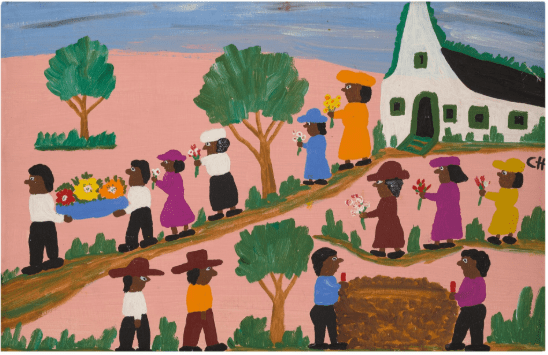
Painting: CLEMENTINE HUNTER | FUNERAL PROCESSION



Robin Caldwell is the blogger behind freshandfriedhard.com and academic researcher focusing on Black history, heritage and culture. Public historian primarily in Black American historical foodways: antebellum and regional.
